Introduction
Recombinant proteins are proteins that are produced through genetic engineering techniques, allowing for the production of large quantities of specific proteins with high purity and consistency. One such protein is Recombinant Human CDCA3 Protein, which has gained significant attention in the scientific community due to its unique structure and diverse range of activities. In this article, we will delve into the details of this protein, including its structure, activity, and various applications.
Structure of Recombinant Human CDCA3 Protein
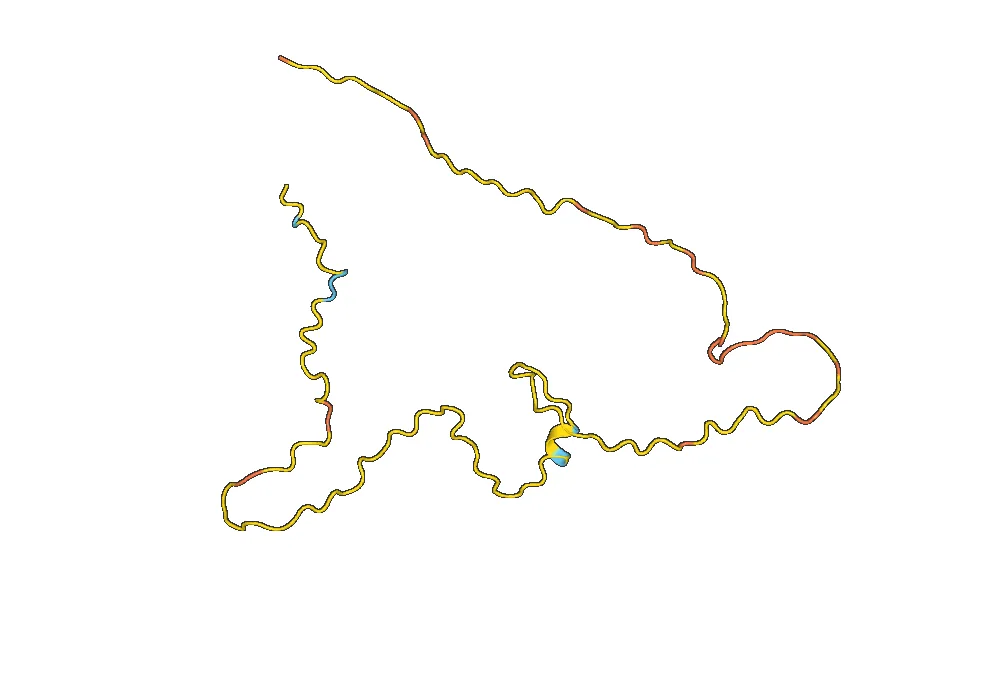
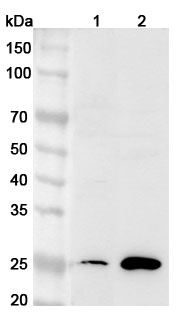
Recombinant Human CDCA3 Protein, also known as Cell Division Cycle Associated 3, is a 27 kDa protein that belongs to the CDCA family. It is composed of 239 amino acids and contains a highly conserved N-terminal domain, a central coiled-coil region, and a C-terminal domain. The N-terminal domain is crucial for the protein’s interaction with other proteins, while the coiled-coil region is responsible for its dimerization. The C-terminal domain is involved in the protein’s binding to DNA, which is essential for its activity.
The crystal structure of Recombinant Human CDCA3 Protein has been determined, revealing that it forms a homodimer in its active form. The dimerization of this protein is crucial for its activity as it enables the formation of a functional complex with other proteins.
Activity of Recombinant Human CDCA3 Protein
Recombinant Human CDCA3 Protein is a multifunctional protein that plays a critical role in cell cycle regulation. It is involved in various cellular processes, including DNA replication, chromosome segregation, and cytokinesis. This protein interacts with other proteins, such as Aurora B kinase and Survivin, to form the chromosomal passenger complex, which is essential for proper cell division.
Furthermore, Recombinant Human CDCA3 Protein has been shown to have a role in DNA damage response. It is recruited to sites of DNA damage and helps in the recruitment of other proteins involved in DNA repair. This protein also plays a role in maintaining genomic stability by preventing the formation of abnormal chromosomal structures.
Applications of Recombinant Human CDCA3 Protein
Due to its diverse range of activities, Recombinant Human CDCA3 Protein has several potential applications in the field of biotechnology and medicine. One of the most promising applications is its use as an antigen in cancer immunotherapy. The overexpression of this protein has been observed in various types of cancer, making it a potential target for cancer treatment. Recombinant Human CDCA3 Protein can be used to stimulate an immune response against cancer cells, leading to their destruction.
In addition to cancer treatment, Recombinant Human CDCA3 Protein has also been studied for its potential in gene therapy. Its role in DNA repair and maintenance of genomic stability makes it an attractive candidate for the treatment of genetic disorders.
Moreover, this protein has also been studied for its potential in developing new drugs for various diseases. Its involvement in cell cycle regulation and DNA damage response makes it a potential target for drug development, particularly in the field of cancer and neurodegenerative diseases.
Conclusion
In conclusion, Recombinant Human CDCA3 Protein is a multifunctional protein with a unique structure and diverse range of activities. Its role in cell cycle regulation, DNA repair, and maintenance of genomic stability makes it a promising candidate for various applications in biotechnology and medicine. Further research on this protein is necessary to fully understand its potential and develop new therapeutic strategies.
There are no reviews yet.