Introduction to Recombinant Human CDK9 Protein
Recombinant Human CDK9 Protein, also known as Cyclin Dependent Kinase 9, is a highly conserved protein that plays a crucial role in regulating cell cycle progression and gene transcription. It is a member of the CDK family of proteins, which are key regulators of cell division and proliferation. Recombinant Human CDK9 Protein is produced through genetic engineering techniques, making it a valuable tool for studying its structure, activity, and potential applications.
Structure of Recombinant Human CDK9 Protein
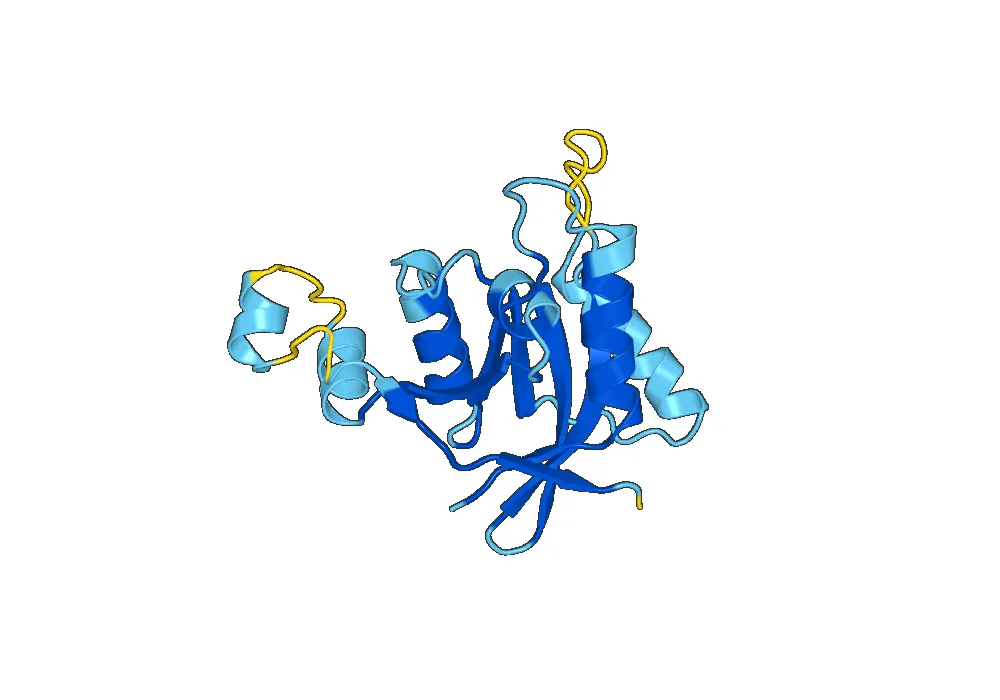
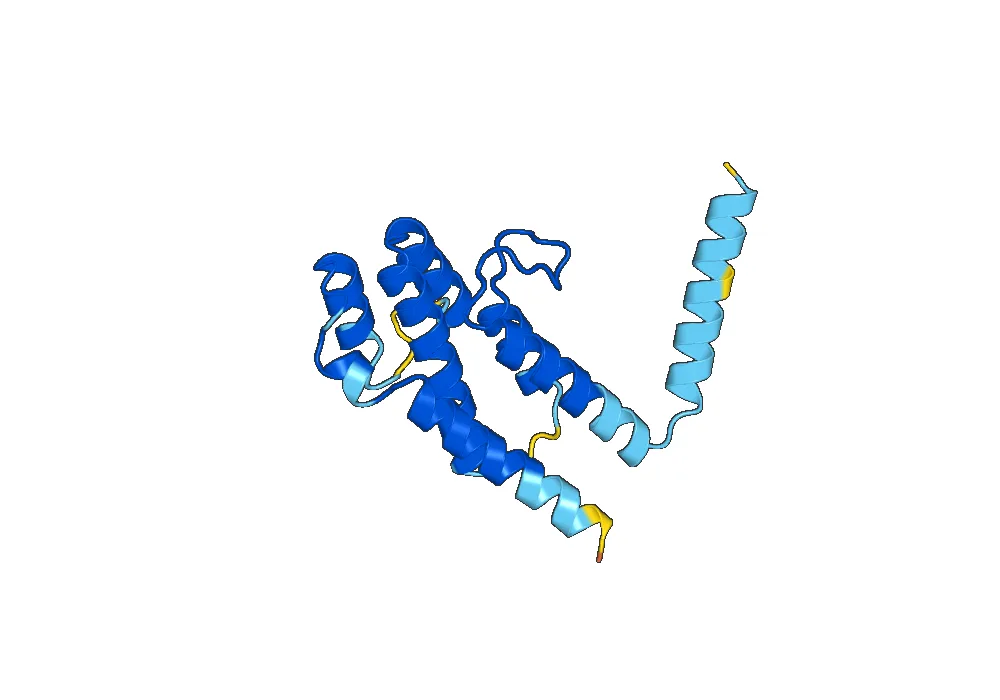
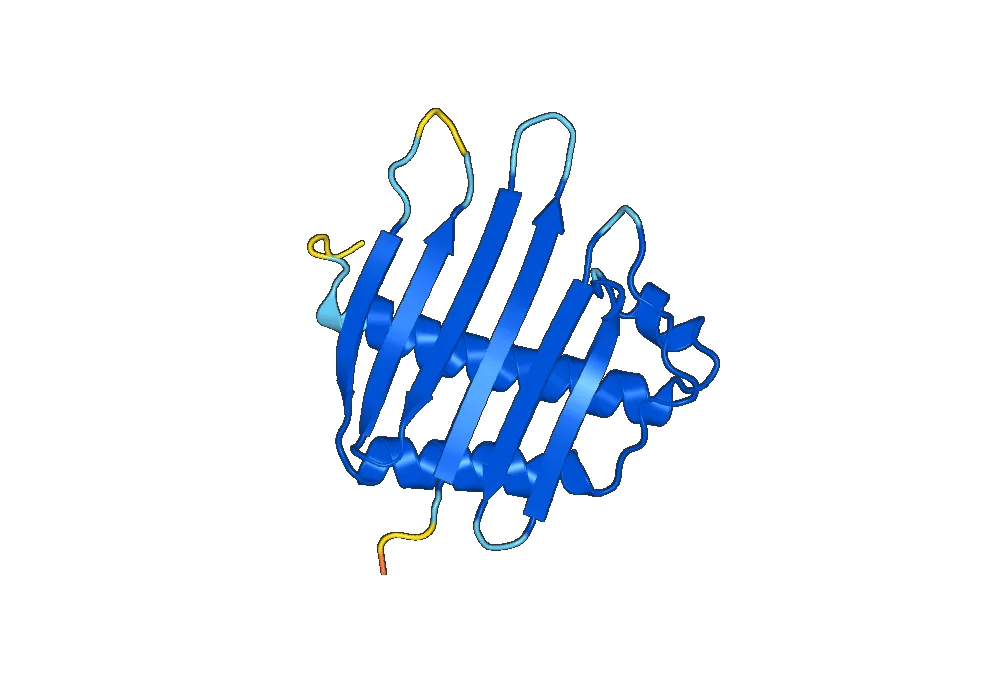
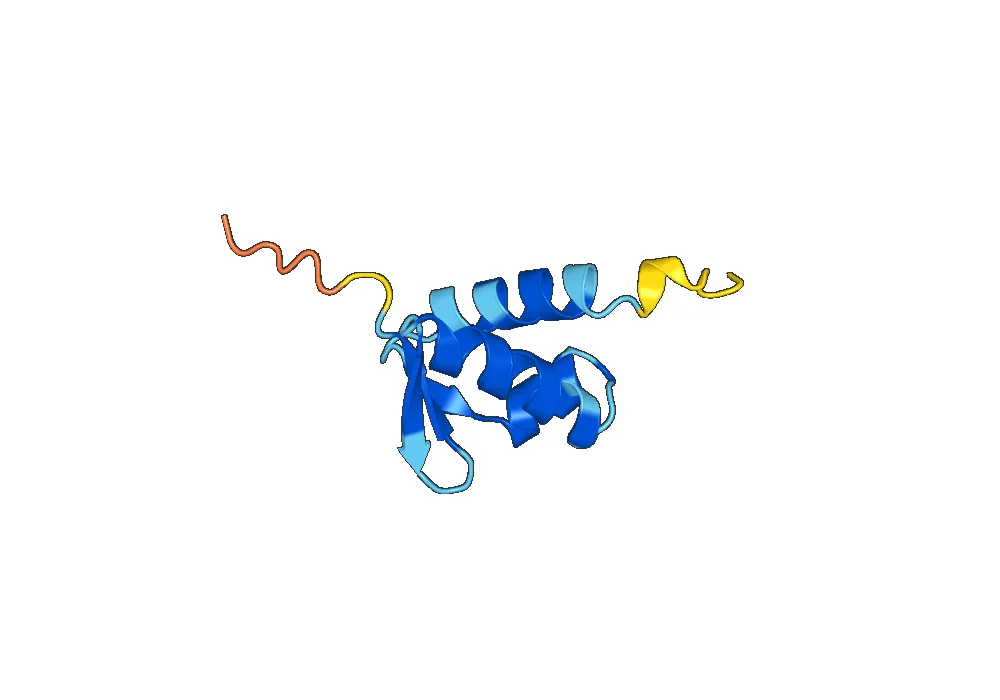
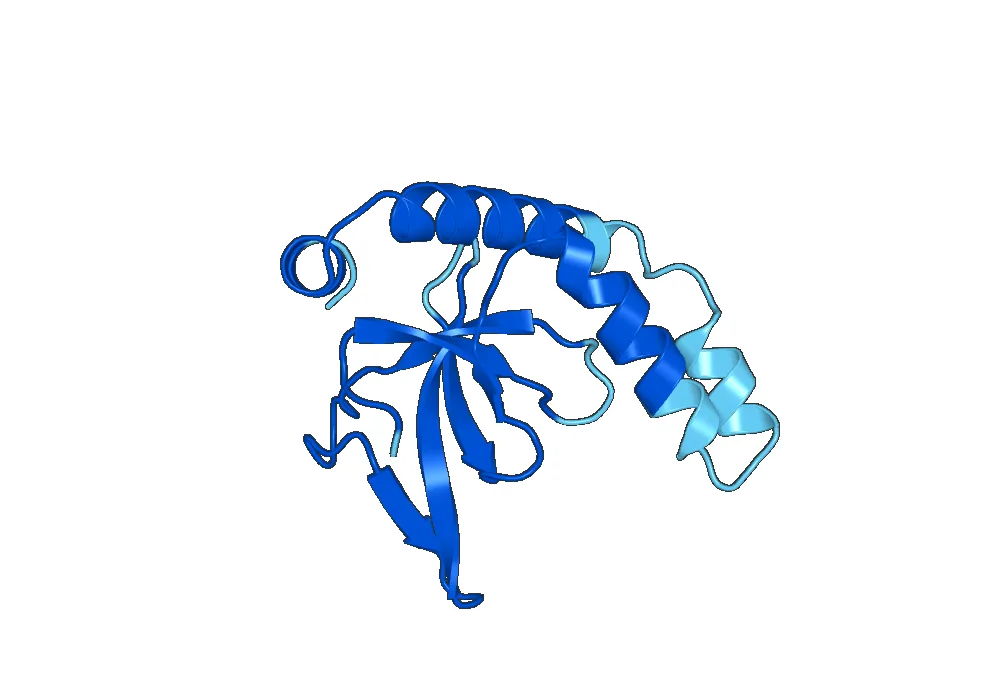
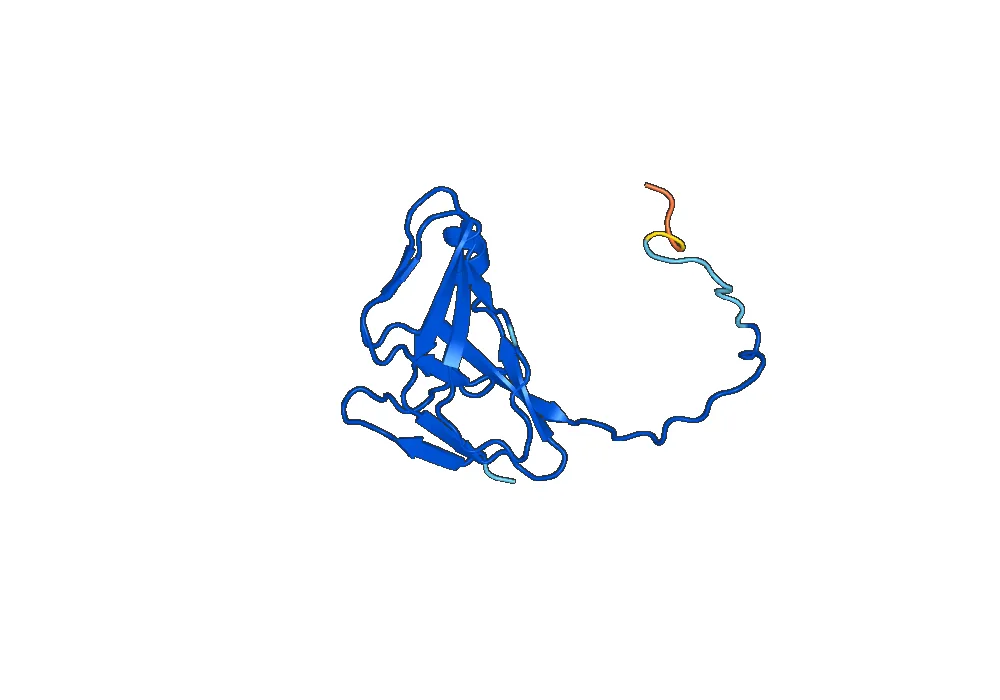
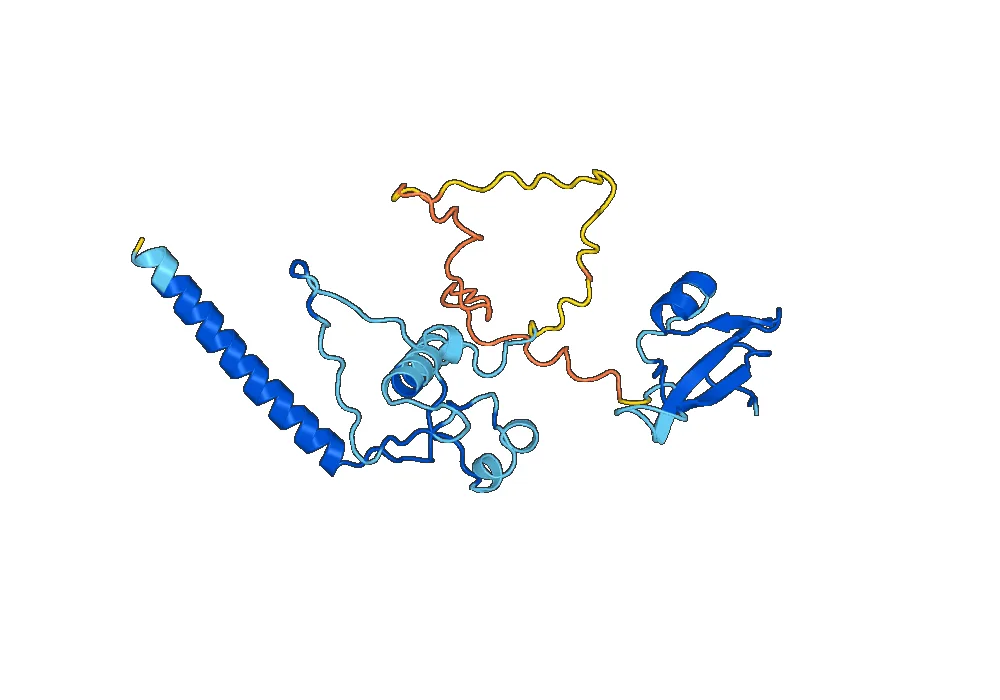
Recombinant Human CDK9 Protein is a 42 kDa protein consisting of 372 amino acids. It contains a conserved serine/threonine kinase domain and a cyclin-binding domain, which are essential for its activity. The protein also has a T-loop region, which is important for its regulation and interaction with other proteins. Recombinant Human CDK9 Protein has a high degree of homology with its counterparts in other species, indicating its evolutionary conservation and importance in cellular processes.
Activity of Recombinant Human CDK9 Protein
Recombinant Human CDK9 Protein is a key regulator of the cell cycle, specifically in the G1, S, and G2 phases. It forms a complex with its regulatory partner, Cyclin T, to form the active complex, CDK9/Cyclin T. This complex is responsible for the phosphorylation of the C-terminal domain of RNA polymerase II, which is critical for transcriptional elongation. Additionally, Recombinant Human CDK9 Protein can also phosphorylate other targets, such as transcription factors and RNA splicing factors, to regulate gene expression. Its activity is tightly regulated by other proteins, such as CDK inhibitors and phosphatases, to ensure proper cell cycle progression and transcriptional control.
Application of Recombinant Human CDK9 Protein
Recombinant Human CDK9 Protein has a wide range of applications in both research and therapeutic settings. Its role in regulating gene transcription makes it a valuable tool for studying gene expression and its dysregulation in diseases such as cancer. Recombinant Human CDK9 Protein can be used in in vitro assays to study its kinase activity and its interaction with other proteins. It can also be used in cell-based assays to investigate its role in cell cycle progression and transcriptional control.
In addition to its research applications, Recombinant Human CDK9 Protein has potential therapeutic applications as well. It has been shown to be a promising target for cancer treatment, as its dysregulation has been linked to various types of cancer. Inhibitors of CDK9 have been developed and are currently being tested in clinical trials for the treatment of cancer. Furthermore, Recombinant Human CDK9 Protein has also been implicated in viral infections, making it a potential target for antiviral therapies.
Conclusion
In summary, Recombinant Human CDK9 Protein is a highly conserved protein with an essential role in regulating cell cycle progression and gene transcription. Its structure, activity, and potential applications make it a valuable tool for scientific research and a promising target for therapeutic interventions. With continued research and development, Recombinant Human CDK9 Protein has the potential to contribute to a better understanding of cellular processes and the development of novel treatments for diseases.


There are no reviews yet.