Recombinant Human CHCHD10 Protein, also known as coiled-coil-helix-coiled-coil-helix domain-containing protein 10, is a protein that is encoded by the CHCHD10 gene in humans. It is a member of the coiled-coil-helix-coiled-coil-helix (CHCH) protein family and is highly expressed in the brain and heart tissues. This protein is involved in various cellular processes and has been found to play a role in neurodegenerative diseases. In this article, we will explore the structure, activity, and applications of Recombinant Human CHCHD10 Protein.
Structure of Recombinant Human CHCHD10 Protein
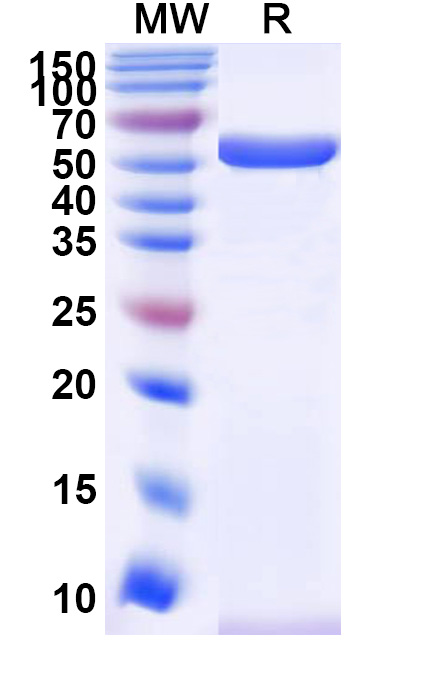
The CHCHD10 protein is composed of 149 amino acids and has a molecular weight of 17 kDa. It is characterized by a coiled-coil-helix-coiled-coil-helix domain at the N-terminus and a transmembrane domain at the C-terminus. The coiled-coil-helix-coiled-coil-helix domain is responsible for protein-protein interactions and plays a crucial role in the formation of protein complexes. The transmembrane domain anchors the protein to the mitochondrial inner membrane, where it is predominantly localized.
Recombinant Human CHCHD10 Protein is produced through recombinant DNA technology, where the CHCHD10 gene is inserted into a suitable expression vector and expressed in a host cell such as Escherichia coli or mammalian cells. This allows for the production of large quantities of pure and functional protein for research purposes.
Activity of Recombinant Human CHCHD10 Protein
The main function of CHCHD10 protein is to regulate mitochondrial dynamics and maintain mitochondrial homeostasis. It has been found to interact with other mitochondrial proteins, such as prohibitin and mitofilin, to form protein complexes that are involved in mitochondrial fusion and fission. It also plays a role in maintaining the integrity of the mitochondrial inner membrane and regulates the transport of metabolites and ions across the membrane.
Recent studies have also shown that Recombinant Human CHCHD10 Protein is involved in the pathogenesis of neurodegenerative diseases, such as Parkinson’s disease and amyotrophic lateral sclerosis (ALS). Mutations in the CHCHD10 gene have been linked to these diseases, and it has been suggested that these mutations may affect the protein’s ability to regulate mitochondrial function, leading to neurodegeneration.
Applications of Recombinant Human CHCHD10 Protein
Recombinant Human CHCHD10 Protein has a wide range of applications in both basic research and drug discovery. It is commonly used as an antigen in studies investigating the role of CHCHD10 in neurodegenerative diseases. It can also be used in protein-protein interaction studies to identify other proteins that interact with CHCHD10 and to understand its role in mitochondrial function.
Furthermore, Recombinant Human CHCHD10 Protein has potential therapeutic applications in the treatment of neurodegenerative diseases. As mutations in the CHCHD10 gene have been linked to these diseases, the protein could be a potential target for drug development. Studies have shown that restoring the function of CHCHD10 can improve mitochondrial function and protect against neurodegeneration, making it a promising target for drug discovery.
Conclusion
In summary, Recombinant Human CHCHD10 Protein is a crucial protein involved in mitochondrial dynamics and has been linked to neurodegenerative diseases. Its structure, activity, and potential therapeutic applications make it an important protein for research and drug discovery. With further studies, we can gain a better understanding of the role of CHCHD10 in mitochondrial function and potentially develop treatments for neurodegenerative diseases.

There are no reviews yet.