Introduction
Recombinant Human CHCHD3 Protein, also known as Coiled-Coil-Helix-Coiled-Coil-Helix Domain Containing 3, is a protein that plays a crucial role in mitochondrial function and cell survival. It is a 22 kDa protein that is encoded by the CHCHD3 gene located on chromosome 7 in humans. In this article, we will discuss the structure, activity, and applications of Recombinant Human CHCHD3 Protein.
Structure
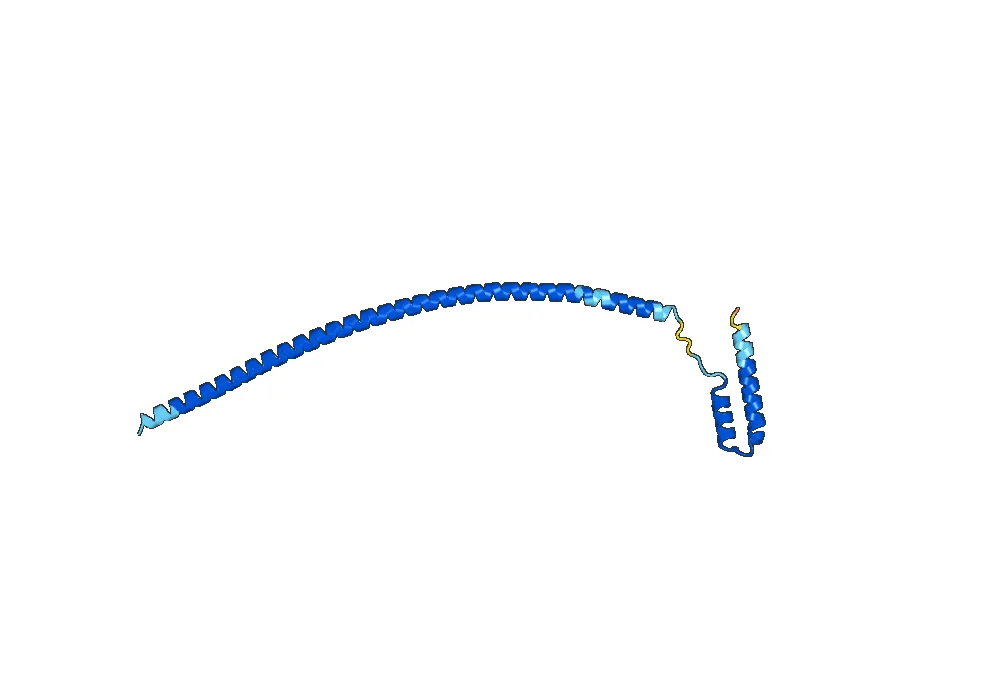
Recombinant Human CHCHD3 Protein is composed of 191 amino acids and has a molecular weight of 22 kDa. It contains a coiled-coil-helix-coiled-coil-helix (CHCH) domain, which is a conserved structural motif found in a variety of proteins involved in mitochondrial function. This domain is responsible for the protein’s ability to form dimers, which is essential for its activity.
In addition to the CHCH domain, Recombinant Human CHCHD3 Protein also contains a transmembrane domain, which anchors the protein to the inner mitochondrial membrane. This localization is critical for the protein’s function, as it allows it to interact with other proteins involved in mitochondrial function and cell survival.
Activity
The primary function of Recombinant Human CHCHD3 Protein is to regulate the activity of the mitochondrial respiratory chain. It does this by interacting with other proteins, such as cytochrome c and cytochrome c oxidase, which are essential components of the respiratory chain. This interaction helps to maintain the proper functioning of the respiratory chain, which is crucial for the production of ATP, the cell’s energy currency.
Moreover, Recombinant Human CHCHD3 Protein also plays a role in maintaining mitochondrial morphology and regulating the production of reactive oxygen species (ROS). ROS are natural byproducts of cellular respiration, but excessive production can lead to cellular damage and dysfunction. Recombinant Human CHCHD3 Protein helps to keep ROS levels in check, thus protecting the cell from oxidative stress.
Applications
Recombinant Human CHCHD3 Protein has a wide range of applications in both research and therapeutic settings. One of its primary uses is in studying mitochondrial function and dysfunction. Researchers can use this protein to investigate the role of CHCHD3 in regulating the respiratory chain and maintaining mitochondrial health. It can also be used to study the effects of mutations in the CHCHD3 gene, which have been linked to neurodegenerative disorders such as Parkinson’s disease and amyotrophic lateral sclerosis (ALS).
In addition to research applications, Recombinant Human CHCHD3 Protein also has therapeutic potential. As mentioned earlier, mutations in the CHCHD3 gene have been associated with neurodegenerative disorders. Therefore, this protein could potentially be used as a therapeutic target for these diseases. Additionally, studies have shown that Recombinant Human CHCHD3 Protein can protect cells from oxidative stress, making it a potential candidate for the treatment of conditions related to mitochondrial dysfunction and oxidative stress, such as age-related diseases and cancer.
Conclusion
In conclusion, Recombinant Human CHCHD3 Protein is a crucial protein involved in regulating mitochondrial function and cell survival. Its unique structure and activity make it a valuable tool for studying mitochondrial function and dysfunction, as well as a potential therapeutic target for various diseases. Further research on this protein could provide valuable insights into its role in maintaining cellular health and its potential applications in treating various disorders.

There are no reviews yet.