Introduction
Recombinant Human CHRNA1 Protein, also known as the nicotinic acetylcholine receptor alpha 1 subunit, is a protein that plays a crucial role in the nervous system. It is a transmembrane protein that is responsible for the binding of the neurotransmitter acetylcholine, which is essential for nerve signal transmission. This protein has been extensively studied and has been found to have a wide range of functions and applications in various fields of research.
Structure of Recombinant Human CHRNA1 Protein
The CHRNA1 gene, located on chromosome 2, encodes for the Recombinant Human CHRNA1 Protein. It is composed of 628 amino acids and has a molecular weight of approximately 70 kDa. The protein is made up of four subunits, namely alpha, beta, gamma, and delta. The alpha subunit is the largest and most important subunit, while the beta, gamma, and delta subunits provide structural support and stability to the protein.
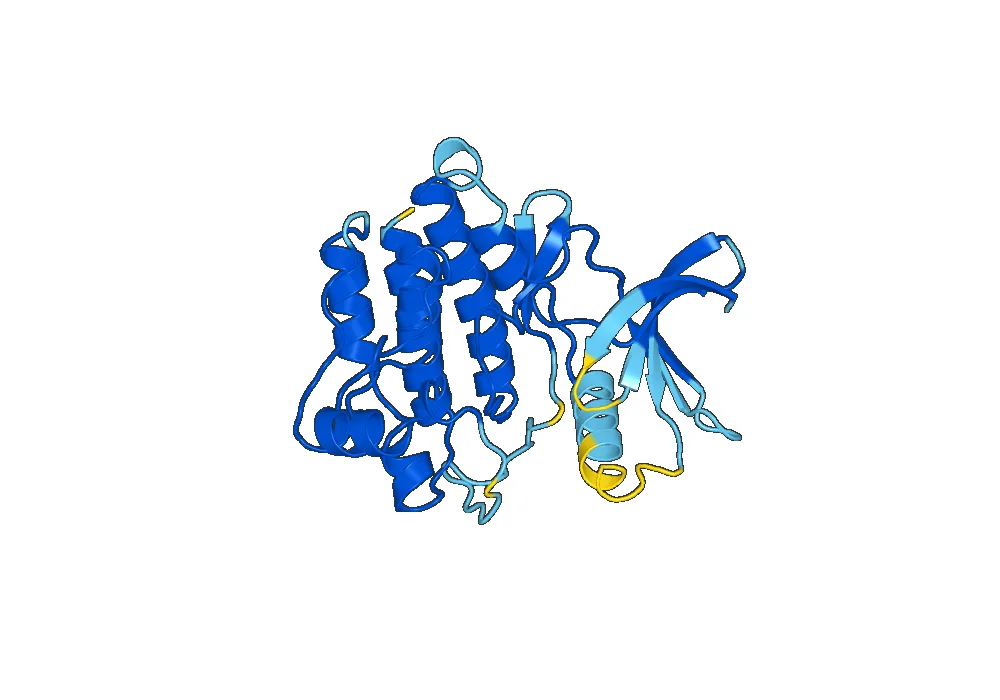
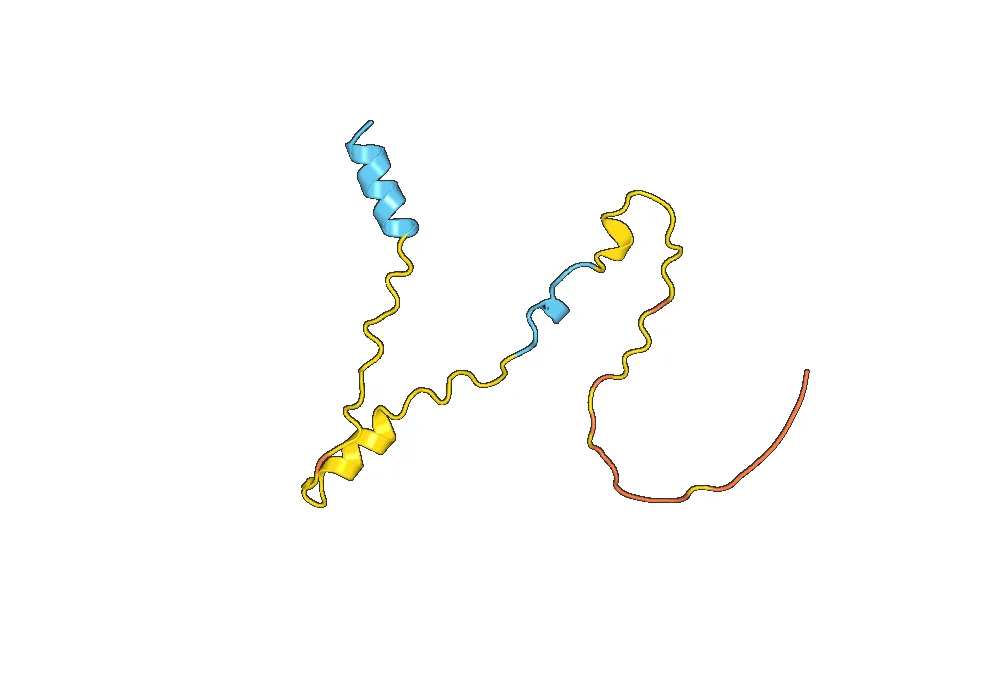
The Recombinant Human CHRNA1 Protein has a complex structure, with a large extracellular domain, a transmembrane domain, and an intracellular domain. The extracellular domain is responsible for binding to acetylcholine, while the transmembrane domain allows the protein to span the cell membrane. The intracellular domain is involved in signal transduction and plays a role in the regulation of the protein’s activity.
Activity of Recombinant Human CHRNA1 Protein
The Recombinant Human CHRNA1 Protein is primarily found in the neuromuscular junction, where it is responsible for the transmission of nerve signals to muscle cells. It is also found in other areas of the nervous system, including the brain, where it plays a role in cognitive functions such as learning and memory.
The activity of the Recombinant Human CHRNA1 Protein is tightly regulated by various factors, including the concentration of acetylcholine, the presence of other neurotransmitters, and the binding of modulators such as nicotine and caffeine. Any disruption in the activity of this protein can lead to various neuromuscular disorders, including myasthenia gravis and congenital myasthenic syndromes.
Application of Recombinant Human CHRNA1 Protein
Recombinant Human CHRNA1 Protein has a wide range of applications in the field of research and medicine. One of its primary uses is in the study of neuromuscular disorders. Mutations in the CHRNA1 gene have been linked to various neuromuscular disorders, and the use of recombinant protein has helped in understanding the underlying mechanisms of these diseases.
Recombinant Human CHRNA1 Protein is also used in the development of drugs for neuromuscular disorders. By studying the structure and activity of this protein, researchers can design drugs that can target specific regions of the protein and modulate its activity. This has led to the development of new treatments for disorders such as myasthenia gravis and congenital myasthenic syndromes.
Moreover, the Recombinant Human CHRNA1 Protein has also found applications in the field of neuroscience. It has been used in various studies to understand the role of acetylcholine in cognitive functions and to develop treatments for neurological disorders such as Alzheimer’s disease and schizophrenia.
Conclusion
In conclusion, the Recombinant Human CHRNA1 Protein is a vital protein that plays a crucial role in the nervous system. Its complex structure and activity make it an essential target for research and drug development in the field of neuromuscular disorders and neuroscience. With further advancements in technology and research, this protein has the potential to contribute to the development of new treatments for various neurological disorders.



There are no reviews yet.