Recombinant Human CLDN5 Protein, also known as Claudin-5, is a transmembrane protein that plays a crucial role in the formation and maintenance of tight junctions in endothelial cells. These tight junctions are responsible for regulating the passage of molecules and ions between cells, thus maintaining the integrity of the blood-brain barrier and other epithelial barriers in the body.
Structure of Recombinant Human CLDN5 Protein
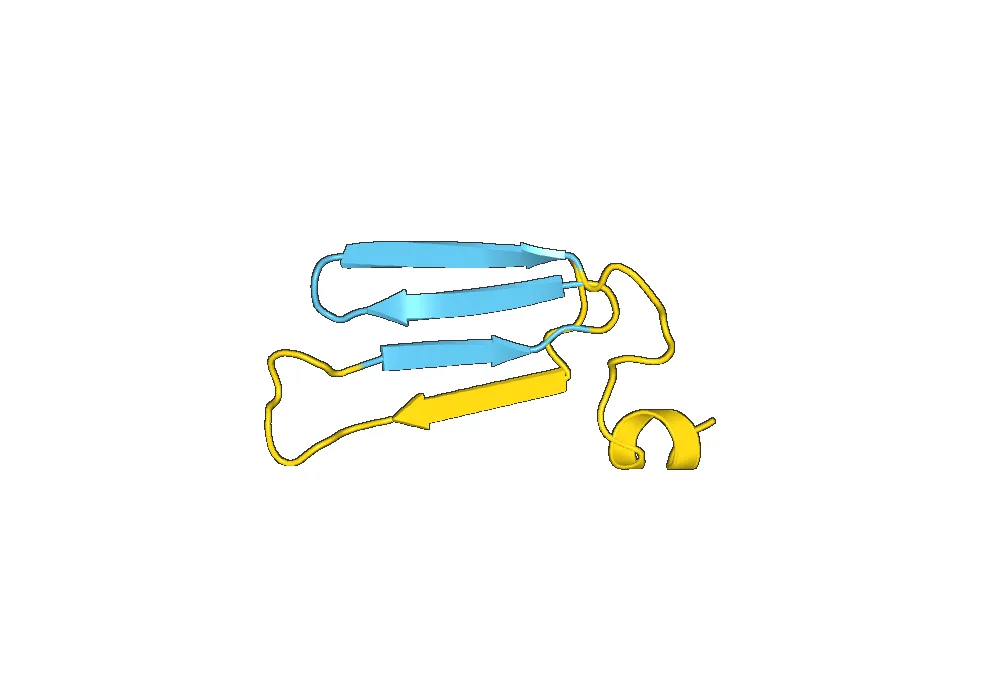
The CLDN5 gene is located on chromosome 22q11.21 and encodes for a protein of 220 amino acids. The protein has four transmembrane domains, two extracellular loops, and a cytoplasmic tail. The extracellular loops contain highly conserved regions that are responsible for the interaction with other tight junction proteins, such as occludin and claudin-1.
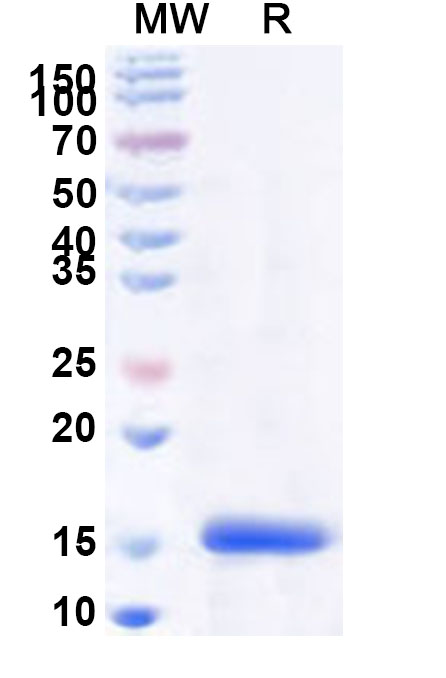
The recombinant form of CLDN5 protein is produced by cloning the gene into an expression vector and expressing it in a suitable host cell, such as E. coli or mammalian cells. The resulting protein is then purified using various techniques, such as chromatography, to obtain a highly pure and active form of CLDN5.
Activity of Recombinant Human CLDN5 Protein
The primary function of CLDN5 is to regulate the paracellular transport of molecules between cells. It does so by forming homotypic and heterotypic interactions with other claudins and tight junction proteins, thus creating a physical barrier that restricts the passage of molecules and ions.
Studies have shown that CLDN5 is essential for maintaining the integrity of the blood-brain barrier and preventing the leakage of harmful substances into the brain. It is also involved in regulating the permeability of other epithelial barriers, such as the intestinal and renal epithelium.
Additionally, CLDN5 has been shown to play a role in cell signaling and proliferation. It has been reported to interact with various signaling molecules, such as protein kinase C, and regulate their activity. It has also been linked to the development and progression of certain cancers, highlighting its importance in cellular functions beyond tight junction formation.
Applications of Recombinant Human CLDN5 Protein
The recombinant form of CLDN5 protein has various applications in both research and clinical settings. It is commonly used as an antigen in studies involving tight junctions and the blood-brain barrier. Antibodies against CLDN5 can be used to study its expression and localization in different tissues and diseases.
Recombinant CLDN5 protein can also be used in drug discovery and development, particularly in the development of drugs that target the blood-brain barrier. It can also be used in the development of drugs that target tight junctions in other epithelial barriers, such as the intestinal barrier, for the treatment of various diseases.
Furthermore, CLDN5 has been identified as a potential biomarker for certain diseases, such as multiple sclerosis and glioblastoma. Recombinant CLDN5 protein can be used in diagnostic tests to detect the presence of antibodies against CLDN5 in patient samples, which can aid in the diagnosis and monitoring of these diseases.
Conclusion
In conclusion, Recombinant Human CLDN5 Protein is a crucial component of tight junctions in endothelial cells, playing a vital role in maintaining the integrity of various epithelial barriers in the body. Its structure, activity, and applications make it a valuable tool in both research and clinical settings, with potential for further advancements in the future.


There are no reviews yet.