Introduction
Recombinant Human CLEC1B, also known as C-type lectin domain family 1 member B, is a protein that belongs to the C-type lectin family. This protein is encoded by the CLEC1B gene and is expressed on the surface of immune cells, such as monocytes, macrophages, and dendritic cells. Recombinant Human CLEC1B has been extensively studied for its role in immune response and its potential applications in various diseases.
Structure of Recombinant Human CLEC1B
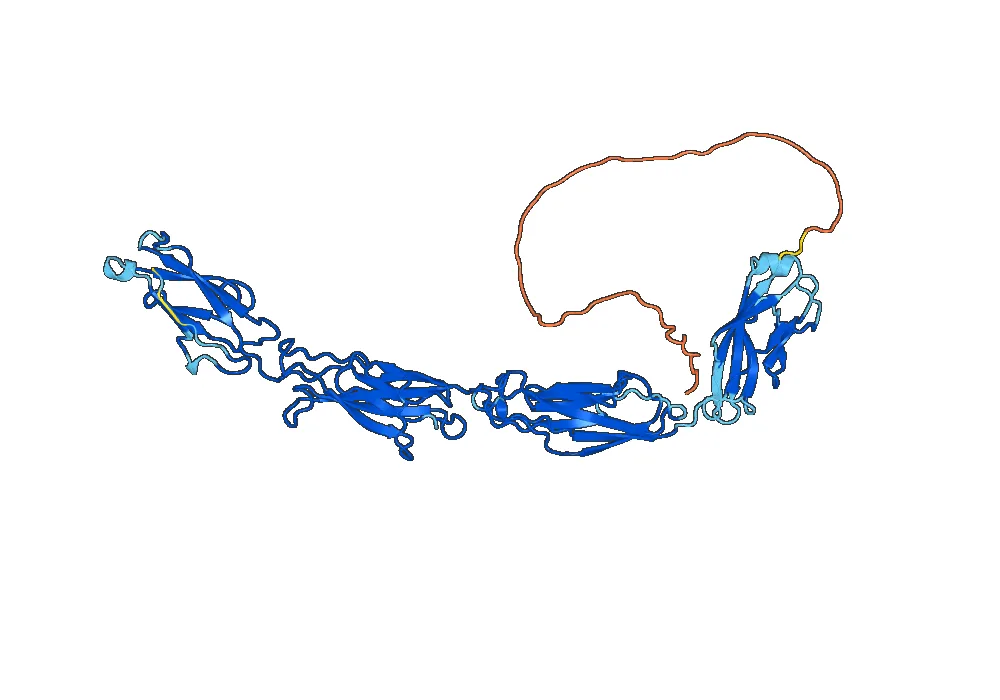
Recombinant Human CLEC1B is a type II transmembrane protein, meaning it has a transmembrane domain that anchors it to the cell membrane. It is composed of a single C-type lectin domain, which is a conserved domain found in many proteins involved in immune response. The C-type lectin domain contains a calcium-binding site, which is important for its binding to carbohydrate ligands.
The extracellular region of Recombinant Human CLEC1B also contains a stalk region, which connects the C-type lectin domain to the transmembrane domain. This region is important for the proper folding and stability of the protein. The cytoplasmic region of Recombinant Human CLEC1B contains a short tail that is involved in signal transduction upon ligand binding.
Activity of Recombinant Human CLEC1B
Recombinant Human CLEC1B is a type of pattern recognition receptor (PRR) that recognizes and binds to specific carbohydrate structures, such as mannose and fucose, on the surface of pathogens. This binding triggers a signaling cascade that leads to the activation of immune cells and the production of inflammatory cytokines.
Studies have shown that Recombinant Human CLEC1B plays a crucial role in the recognition and elimination of various pathogens, including bacteria, viruses, and fungi. It has also been found to be involved in the clearance of apoptotic cells and the regulation of immune tolerance.
Application of Recombinant Human CLEC1B
Due to its role in immune response, Recombinant Human CLEC1B has potential applications in various diseases. One of the most promising areas of research is in cancer immunotherapy. It has been found that Recombinant Human CLEC1B is overexpressed in many types of cancer, and its activation can lead to the destruction of tumor cells by immune cells.
Recombinant Human CLEC1B has also been studied for its potential role in autoimmune diseases. It has been found to play a role in regulating immune tolerance, and its deficiency has been linked to the development of autoimmune diseases such as multiple sclerosis and rheumatoid arthritis. Therefore, targeting Recombinant Human CLEC1B could potentially be a treatment option for these diseases.
Furthermore, Recombinant Human CLEC1B has been investigated for its role in infectious diseases. It has been found to play a crucial role in the recognition and elimination of various pathogens, making it a potential target for the development of vaccines and antiviral therapies.
Conclusion
In summary, Recombinant Human CLEC1B is a protein with a unique structure and important functions in immune response. Its activity in recognizing and binding to specific carbohydrate structures makes it a potential target for the development of therapies for various diseases, including cancer, autoimmune diseases, and infectious diseases. Further research on this protein could lead to the development of novel treatments and improve our understanding of the immune response.

There are no reviews yet.