Introduction
Recombinant Human CPSF4 Protein is a highly purified and biologically active protein that is produced using recombinant DNA technology. It is a key component of the pre-mRNA 3′ end processing complex and plays a crucial role in regulating gene expression. In this article, we will discuss the structure, activity, and applications of this important protein.
Structure of Recombinant Human CPSF4 Protein
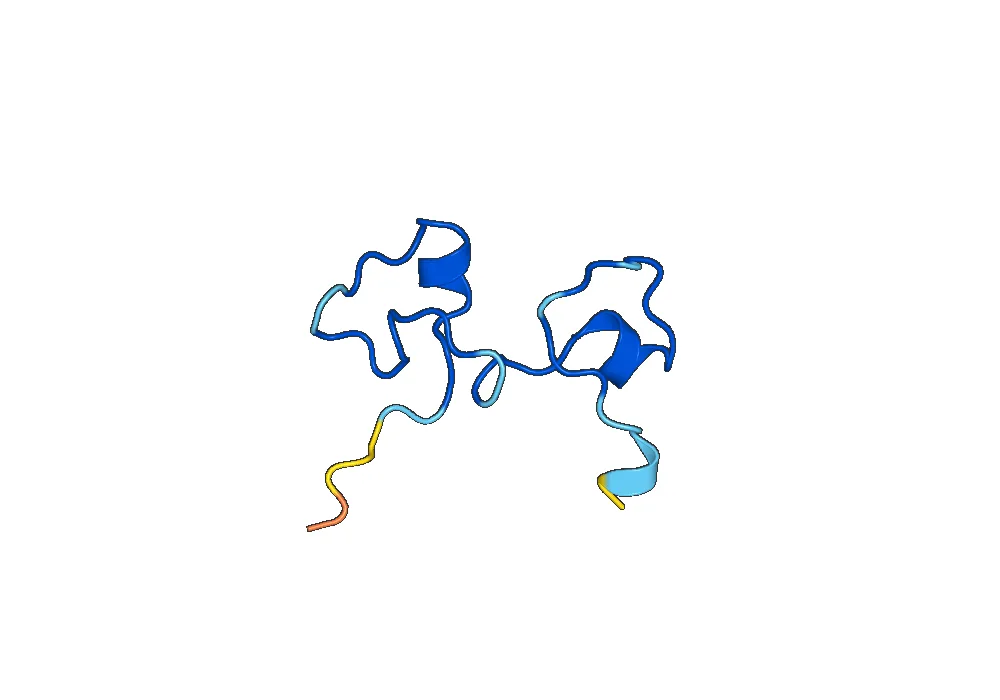
The recombinant human CPSF4 protein is a 72 kDa protein that contains 647 amino acids. It is a member of the CPSF family, which consists of four subunits (CPSF1, CPSF2, CPSF3, and CPSF4). CPSF4 is composed of an N-terminal RNA recognition motif (RRM) domain, a central proline-rich region, and a C-terminal domain. The RRM domain is responsible for binding to the poly(A) tail of pre-mRNA, while the proline-rich region interacts with other components of the pre-mRNA 3′ end processing complex.
Activity of Recombinant Human CPSF4 Protein
The main function of CPSF4 is to recognize and bind to the poly(A) tail of pre-mRNA, which is necessary for proper 3′ end processing. This process involves the cleavage of the pre-mRNA at a specific site and the addition of a poly(A) tail. CPSF4 plays a critical role in this process by recruiting other components of the pre-mRNA 3′ end processing complex, such as CPSF1, CPSF2, and CPSF3, to the cleavage site. This results in the efficient and accurate processing of pre-mRNA, which is essential for gene expression.
Applications of Recombinant Human CPSF4 Protein
Recombinant Human CPSF4 Protein has a wide range of applications in both basic and applied research. Some of the major applications include:
- Studying pre-mRNA 3′ end processing: CPSF4 is an essential component of the pre-mRNA 3′ end processing complex and is therefore widely used in studies related to this process. Researchers can use recombinant CPSF4 protein to investigate the role of this protein in regulating gene expression and to understand the mechanisms involved in pre-mRNA processing.
- Drug discovery: CPSF4 has been identified as a potential target for developing drugs that can modulate gene expression. Recombinant CPSF4 protein can be used in drug screening assays to identify compounds that can inhibit or enhance its activity, which can have therapeutic implications for diseases related to abnormal gene expression.
- Production of antibodies: Recombinant CPSF4 protein can be used as an antigen to produce antibodies that can specifically recognize and bind to this protein. These antibodies can be used in various techniques, such as western blotting and immunohistochemistry, to study the expression and localization of CPSF4 in different tissues and cell types.
- Biotechnology: CPSF4 is a crucial component in the production of recombinant proteins in biotechnology. By using recombinant CPSF4 protein, researchers can optimize the efficiency of pre-mRNA processing in cells, leading to higher yields of recombinant proteins.
Conclusion
Recombinant Human CPSF4 Protein is an important protein that plays a critical role in regulating gene expression. Its structure, activity, and various applications make it a valuable tool for researchers in the fields of molecular biology, biotechnology, and drug discovery. With further research, this protein has the potential to contribute to the


There are no reviews yet.