Introduction to Recombinant Human CST1 Protein
Recombinant human CST1 protein is a synthetic form of the human cystatin S protein, which is a member of the cystatin superfamily of cysteine protease inhibitors. This protein is produced through genetic engineering techniques, where the gene for human CST1 is inserted into an expression vector and then expressed in a host organism, typically a bacterial or mammalian cell line. Recombinant human CST1 protein has a wide range of applications in both research and clinical settings, and its structure and activity make it a valuable tool in understanding and treating various diseases.
Structure of Recombinant Human CST1 Protein
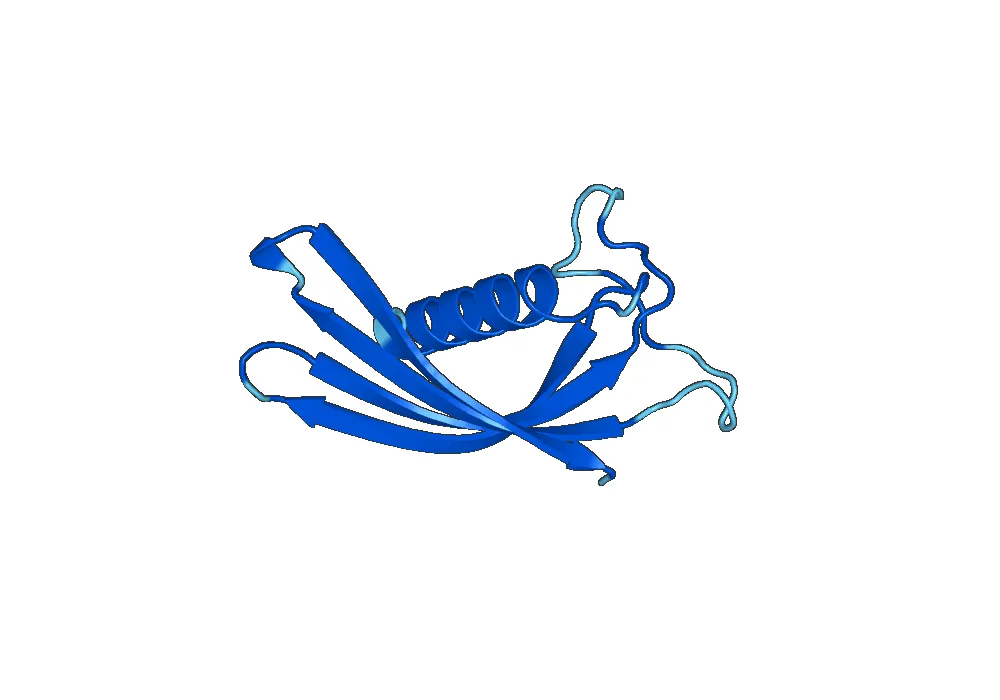
The recombinant human CST1 protein has a similar structure to the native human cystatin S protein, consisting of 142 amino acids with a molecular weight of approximately 15.8 kDa. It contains a single polypeptide chain with two disulfide bonds, giving it a stable and compact structure. The protein also has a conserved N-terminal glycine residue, which is essential for its inhibitory activity against cysteine proteases. The three-dimensional structure of recombinant human CST1 protein has been determined through X-ray crystallography, revealing its compact and globular shape.
Activity of Recombinant Human CST1 Protein
Recombinant human CST1 protein is a potent inhibitor of cysteine proteases, including cathepsins B, H, and L. These proteases play important roles in various physiological processes, such as protein degradation, antigen processing, and cell signaling. By inhibiting these proteases, recombinant human CST1 protein can regulate these processes and potentially prevent or treat diseases associated with their dysregulation. In addition, recombinant human CST1 protein has been shown to have anti-inflammatory properties by inhibiting the activity of cathepsin S, a protease involved in the activation of immune cells.
In addition to its inhibitory activity, recombinant human CST1 protein has been found to have other biological functions, such as promoting cell proliferation and differentiation. It has been shown to enhance the growth and differentiation of neuronal cells, which may have implications in the treatment of neurodegenerative diseases. Recombinant human CST1 protein has also been found to have anti-tumor effects, as it can inhibit the growth and migration of cancer cells.
Applications of Recombinant Human CST1 Protein
The unique structure and activity of recombinant human CST1 protein make it a valuable tool in various research and clinical applications. In research, it is commonly used as a tool to study the role of cysteine proteases in various biological processes. Its inhibitory activity can be used to investigate the function of specific proteases and their involvement in disease pathways. Recombinant human CST1 protein can also be used to develop new therapies for diseases associated with dysregulated protease activity, such as neurodegenerative diseases and cancer.
In clinical settings, recombinant human CST1 protein has potential applications in the treatment of various diseases. Its anti-inflammatory properties make it a promising candidate for the treatment of inflammatory diseases, such as rheumatoid arthritis and psoriasis. It may also have potential as an anti-tumor agent, as studies have shown its ability to inhibit the growth and migration of cancer cells. In addition, recombinant human CST1 protein has been investigated as a potential biomarker for various diseases, as its expression has been linked to certain cancers and neurodegenerative disorders.
Conclusion
Recombinant human CST1 protein is a synthetic form of the human cystatin S protein, produced through genetic engineering techniques. Its structure, activity, and diverse applications make it a valuable tool in understanding and treating various diseases. Its inhibitory activity against cysteine proteases, anti-inflammatory properties, and potential as a biomarker and therapeutic agent make it a promising protein for further research and development.


There are no reviews yet.