Introduction
Recombinant Human CTNNA1 Protein, also known as alpha-catenin, is a key protein involved in cell adhesion and cell signaling processes. This protein is encoded by the CTNNA1 gene and is a member of the catenin family of proteins. It plays a crucial role in maintaining the structural integrity of epithelial tissues and is involved in the regulation of cell proliferation and migration.
Structure of Recombinant Human CTNNA1 Protein
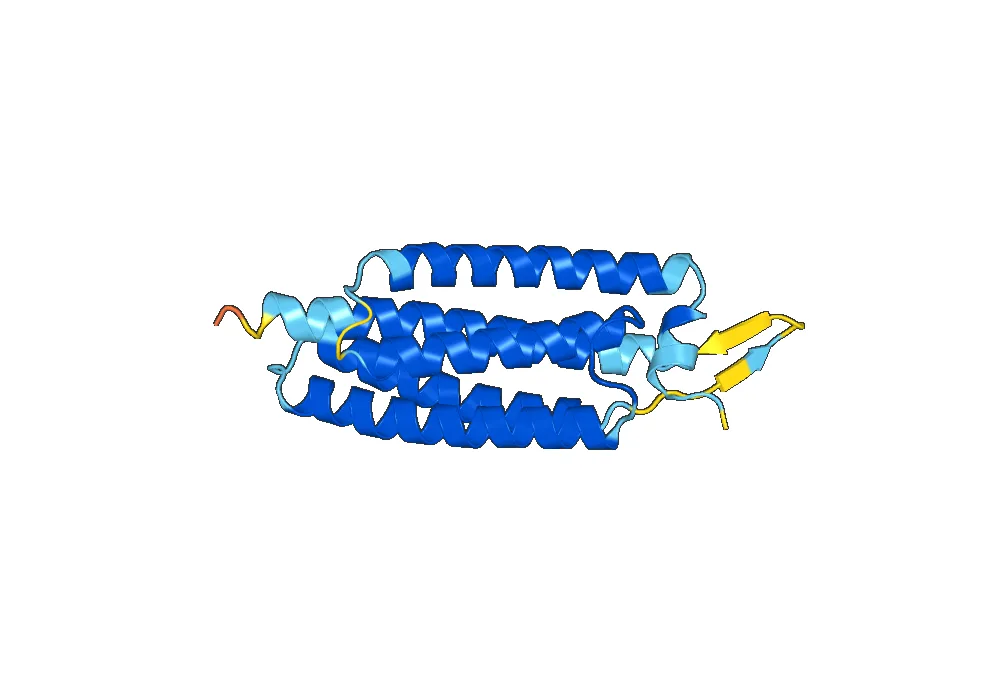
Recombinant Human CTNNA1 Protein is a 102 kDa protein that consists of 906 amino acids. It is composed of three major domains: an N-terminal domain, a central armadillo domain, and a C-terminal domain. The N-terminal domain is responsible for binding to other proteins, while the armadillo domain is involved in protein-protein interactions. The C-terminal domain contains a conserved region that is important for the regulation of cell adhesion and signaling.
Activity of Recombinant Human CTNNA1 Protein
Recombinant Human CTNNA1 Protein is primarily involved in the regulation of cell adhesion and cell signaling. It plays a crucial role in the formation of adherens junctions, which are specialized structures that connect adjacent cells and provide mechanical strength to tissues. This protein also interacts with other proteins, such as cadherins and actin, to regulate cell-cell adhesion and cell migration. Additionally, it is involved in the Wnt signaling pathway, which plays a critical role in embryonic development and tissue homeostasis.
Application of Recombinant Human CTNNA1 Protein
Recombinant Human CTNNA1 Protein has a wide range of applications in both research and therapeutic settings. Some of the key applications of this protein are listed below:
1. Cell Biology Research
Recombinant Human CTNNA1 Protein is widely used in cell biology research to study the mechanisms of cell adhesion and cell signaling. It is commonly used to investigate the role of this protein in the formation of adherens junctions, as well as its interactions with other proteins involved in cell adhesion and migration.
2. Cancer Research
Aberrant expression of Recombinant Human CTNNA1 Protein has been linked to various types of cancer, including breast cancer and ovarian cancer. Therefore, this protein is often used in cancer research to understand its role in tumor growth and metastasis. It is also being explored as a potential therapeutic target for cancer treatment.
3. Drug Development
Recombinant Human CTNNA1 Protein is a potential target for drug development, particularly in the field of cancer therapeutics. By understanding the role of this protein in cancer, researchers can develop drugs that specifically target its activity and inhibit tumor growth.
4. Tissue Engineering
Recombinant Human CTNNA1 Protein is essential for the formation and maintenance of epithelial tissues. Therefore, it has potential applications in tissue engineering, where it can be used to promote the growth and regeneration of damaged tissues.
5. Diagnostic Tool
As Recombinant Human CTNNA1 Protein is involved in various cellular processes, its levels and activity can serve as biomarkers for certain diseases. This protein can be used as a diagnostic tool to detect abnormalities in cell adhesion and signaling, which can aid in the early detection and treatment of diseases.
Conclusion
Recombinant Human CTNNA1 Protein is a crucial protein involved in cell adhesion and signaling processes. Its structure and activity make it a key player in maintaining the structural integrity of tissues and regulating cell proliferation and migration. With its wide range of applications in research and therapeutics, this protein continues to be an important focus of scientific study.


There are no reviews yet.