Introduction to Recombinant Human DNAAF4 Protein
Recombinant Human DNAAF4 Protein, also known as DNAI1-associated factor 4, is a protein that plays a crucial role in the functioning of cilia, which are tiny hair-like structures found on the surface of many cells in our body. This protein is produced through recombinant DNA technology, making it a valuable tool in various scientific and medical applications.
Structure of Recombinant Human DNAAF4 Protein
The gene encoding for Recombinant Human DNAAF4 Protein is located on chromosome 9 and consists of 15 exons. The protein itself is composed of 476 amino acids with a molecular weight of approximately 54 kDa. It contains a conserved domain known as the WD40 repeat, which is involved in protein-protein interactions. This domain is crucial for the proper functioning of the protein.
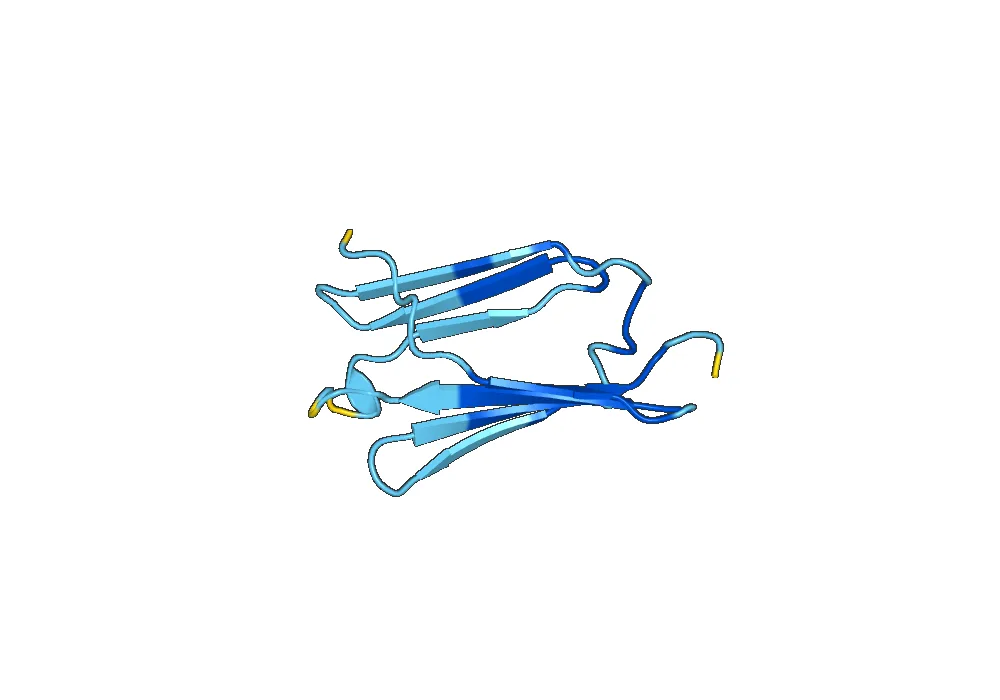
The crystal structure of Recombinant Human DNAAF4 Protein has been determined, revealing that it forms a homodimer with two identical subunits. Each subunit consists of seven WD40 repeats, forming a seven-bladed β-propeller structure. This unique structure allows the protein to interact with other proteins and play a role in various cellular processes.
Activity of Recombinant Human DNAAF4 Protein
Recombinant Human DNAAF4 Protein is primarily involved in the assembly and functioning of cilia. Cilia are essential for various cellular processes, including cell motility, sensory perception, and signaling. Defects in cilia have been linked to several diseases, collectively known as ciliopathies. These include primary ciliary dyskinesia, a genetic disorder characterized by impaired cilia function, and Bardet-Biedl syndrome, a rare genetic disorder that affects multiple organs.
Recombinant Human DNAAF4 Protein interacts with other proteins, such as DNAI1 and DNAH5, to form a complex known as the dynein axonemal intermediate chain 1 (DNAI1) complex. This complex is essential for the proper functioning of cilia, as it is responsible for the movement of cilia. Recombinant Human DNAAF4 Protein also plays a role in the assembly of the DNAI1 complex, ensuring its proper functioning.
Applications of Recombinant Human DNAAF4 Protein
Recombinant Human DNAAF4 Protein has various applications in scientific research and medicine. Its role in cilia assembly and functioning makes it a valuable tool for studying ciliopathies and other diseases related to cilia dysfunction. Researchers can use this protein to study the structure and function of cilia and understand the underlying mechanisms of cilia-related diseases.
In addition, Recombinant Human DNAAF4 Protein can also be used as an antigen in the development of diagnostic tests for ciliopathies. By using this protein as an antigen, scientists can detect the presence of antibodies against it in patient samples, which can help in the diagnosis of cilia-related diseases.
Furthermore, Recombinant Human DNAAF4 Protein has potential therapeutic applications. As ciliopathies are currently incurable, understanding the role of this protein in cilia function can lead to the development of targeted therapies for these diseases. Additionally, Recombinant Human DNAAF4 Protein can also be used in gene therapy approaches to treat cilia-related disorders.
Conclusion
In summary, Recombinant Human DNAAF4 Protein is a crucial protein involved in cilia assembly and functioning. Its unique structure and activity make it a valuable tool for scientific research and potential therapeutic applications. With further research and understanding of this protein, we can gain insights into cilia-related diseases and develop effective treatments for them.


There are no reviews yet.