Introduction to Recombinant Human ELAC2 Protein
Recombinant human ELAC2 protein, also known as RNase Z, is a highly conserved enzyme that plays a crucial role in RNA processing and maturation. It is a member of the metallo-β-lactamase (MBL) superfamily and is involved in the endonucleolytic cleavage of tRNA precursors. The gene encoding ELAC2 is located on chromosome 17q21 and mutations in this gene have been linked to prostate cancer and other diseases. In this article, we will discuss the structure, activity, and applications of recombinant human ELAC2 protein.
Structure of Recombinant Human ELAC2 Protein
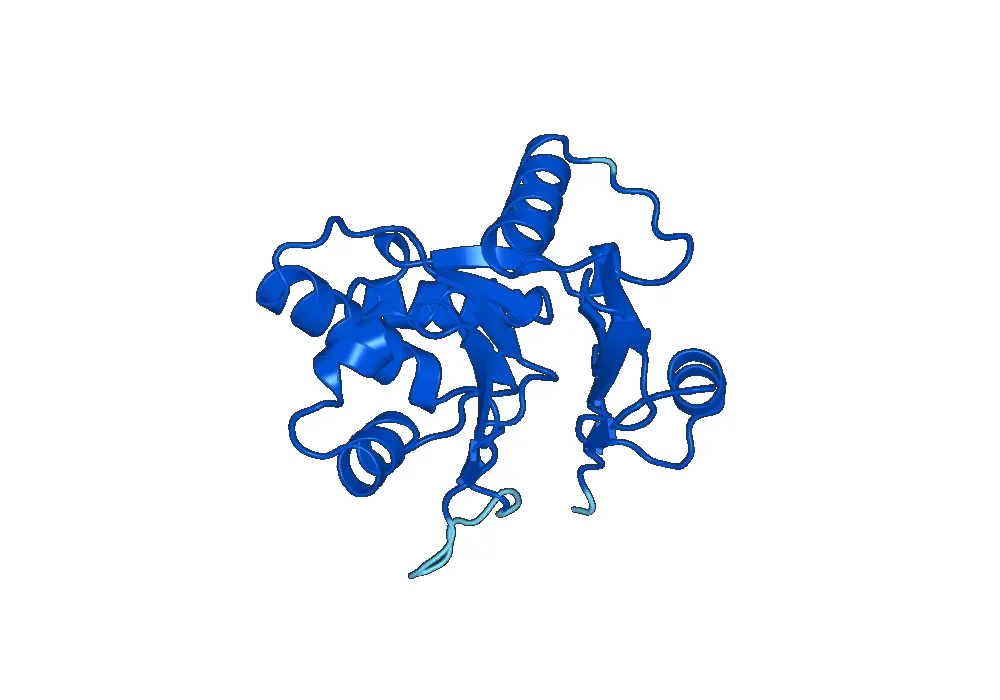
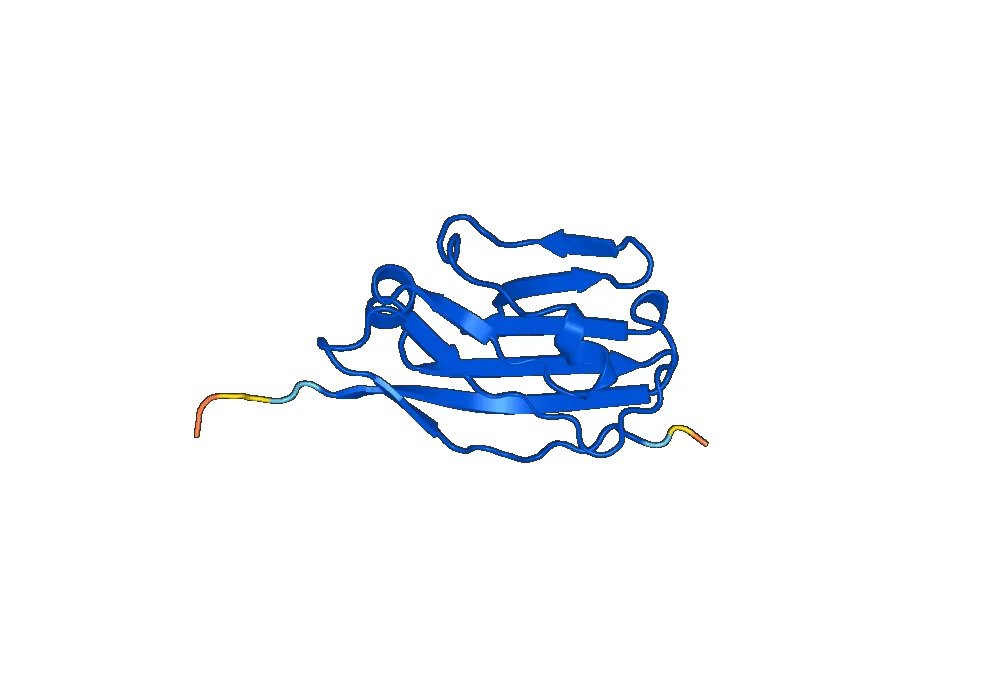
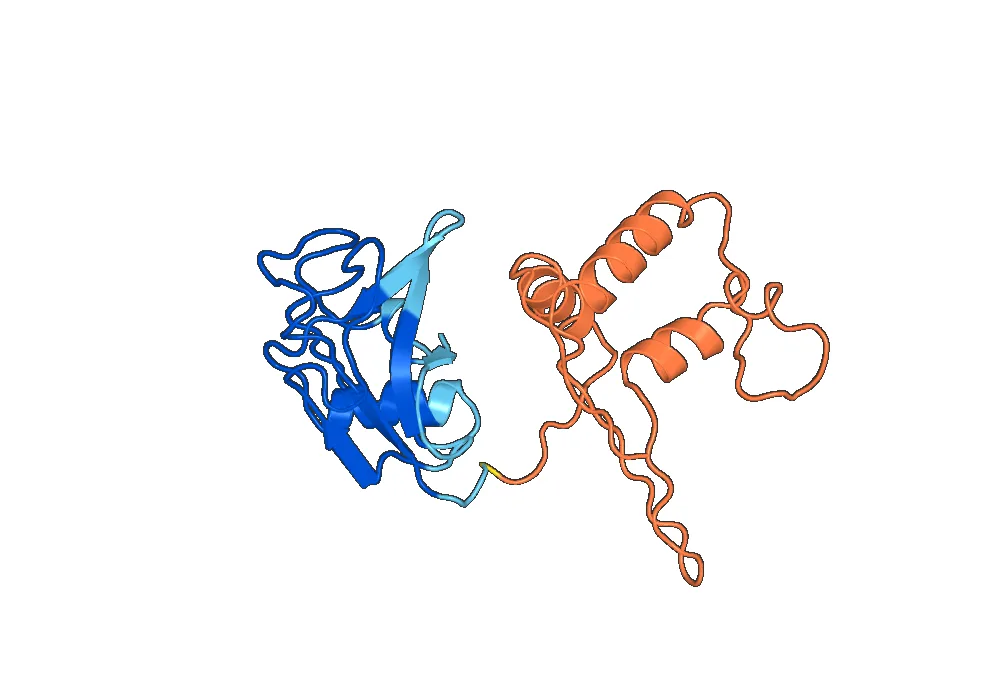
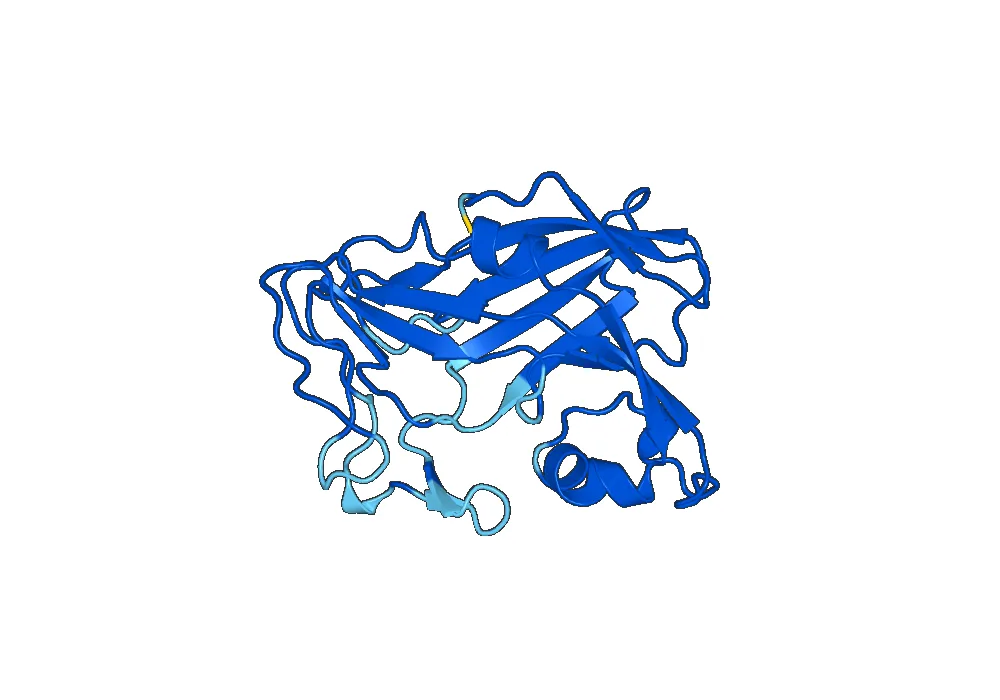
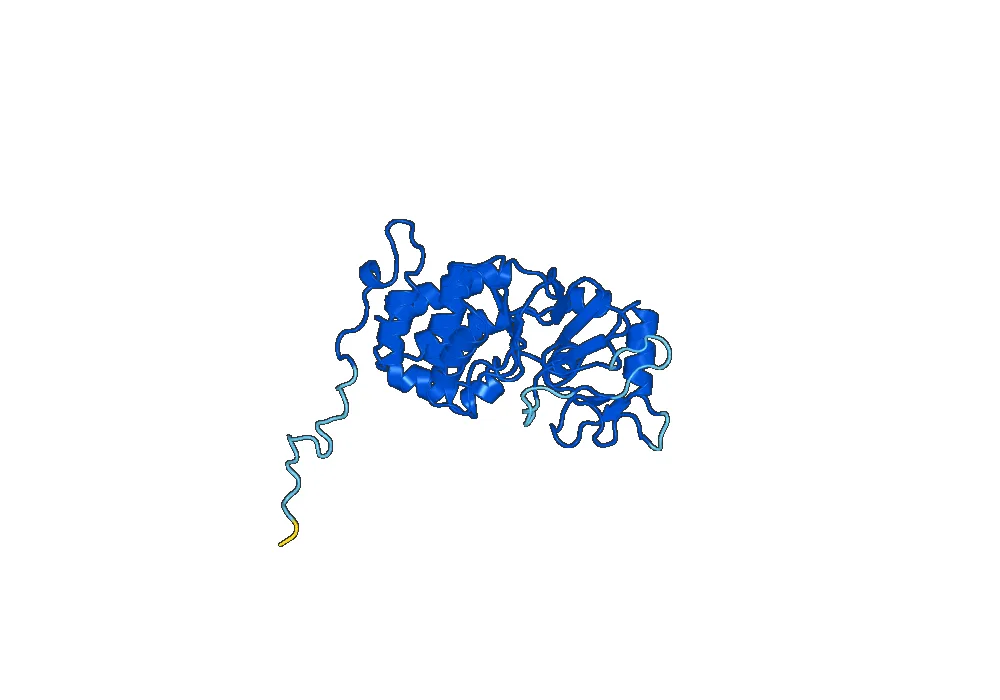
The recombinant human ELAC2 protein is composed of 616 amino acids and has a molecular weight of approximately 70 kDa. It contains two distinct domains, a N-terminal MBL domain and a C-terminal Z domain. The MBL domain is responsible for the endonucleolytic activity of the protein, while the Z domain is involved in tRNA binding. The crystal structure of recombinant human ELAC2 has been determined, revealing a compact globular structure with a central β-sheet surrounded by α-helices.
Activity of Recombinant Human ELAC2 Protein
Recombinant human ELAC2 protein has been shown to have endonucleolytic activity on a variety of substrates, including tRNA precursors and mature tRNAs. It specifically cleaves the 3′ end of the pre-tRNA, generating a 3′ hydroxyl group and a 5′ phosphate group. This activity is essential for the maturation of tRNAs and defects in ELAC2 have been linked to tRNA processing disorders. In addition to its endonucleolytic activity, recombinant human ELAC2 has also been shown to have exonucleolytic activity, cleaving RNA from the 3′ end in a process known as 3′ to 5′ exonuclease activity.
Applications of Recombinant Human ELAC2 Protein
The unique structure and activity of recombinant human ELAC2 protein make it a valuable tool for various applications in the field of biotechnology and medicine. One major application is in the production of recombinant tRNAs. Recombinant human ELAC2 can be used to cleave pre-tRNAs in vitro, generating mature tRNAs for use in protein translation studies. This has been particularly useful in studying the effects of mutations in tRNA processing disorders.
Another important application of recombinant human ELAC2 is in the development of diagnostic tests for prostate cancer. Mutations in the ELAC2 gene have been linked to hereditary prostate cancer and screening for these mutations can help identify individuals at high risk for the disease. Recombinant human ELAC2 protein can be used in these tests as a specific antigen for the detection of anti-ELAC2 antibodies in patient samples.
Furthermore, recombinant human ELAC2 has potential therapeutic applications in cancer treatment. The endonucleolytic activity of ELAC2 can be targeted to specifically cleave and inhibit the expression of oncogenic tRNAs in cancer cells. This approach has shown promising results in pre-clinical studies and may provide a novel treatment option for various types of cancer.
Conclusion
In conclusion, recombinant human ELAC2 protein is a highly conserved enzyme with important roles in RNA processing and maturation. Its unique structure and activity make it a valuable tool for various applications in biotechnology and medicine, including the production of recombinant tRNAs, development of diagnostic tests for prostate cancer, and potential therapeutic applications in cancer treatment. Further research on this protein and its functions may lead to new insights and advancements in the field of molecular biology.


There are no reviews yet.