Introduction
Recombinant Human EXOG Protein is a highly specialized protein that plays a crucial role in DNA repair and maintenance. It is a recombinant form of the human EXOG (exonuclease G) protein, which is a key enzyme involved in the repair of DNA damage caused by oxidative stress. In this article, we will explore the structure, activity, and applications of this important protein.
Structure of Recombinant Human EXOG Protein
The recombinant form of human EXOG protein is produced through genetic engineering techniques, where the gene for the protein is inserted into a host organism, such as bacteria or yeast, to produce large quantities of the protein. The resulting protein is identical to the native human EXOG protein in terms of structure and function.
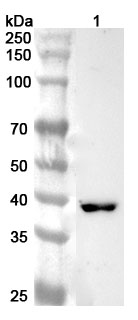
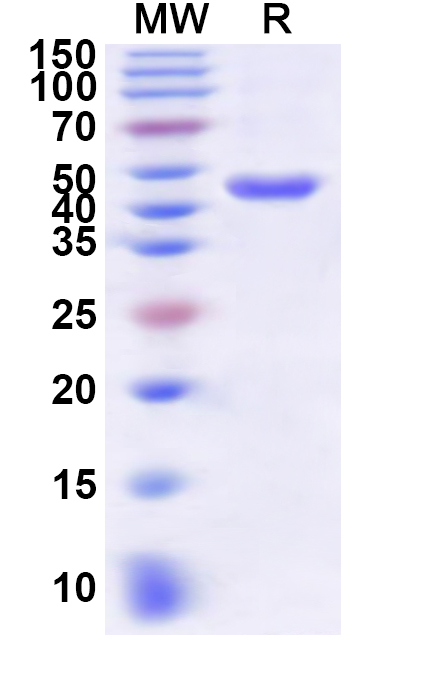
The recombinant protein is a 28 kDa protein with a conserved nuclease domain and a mitochondrial targeting sequence. It is composed of 251 amino acids and has a high content of basic amino acids, which is essential for its DNA binding and cleavage activity.
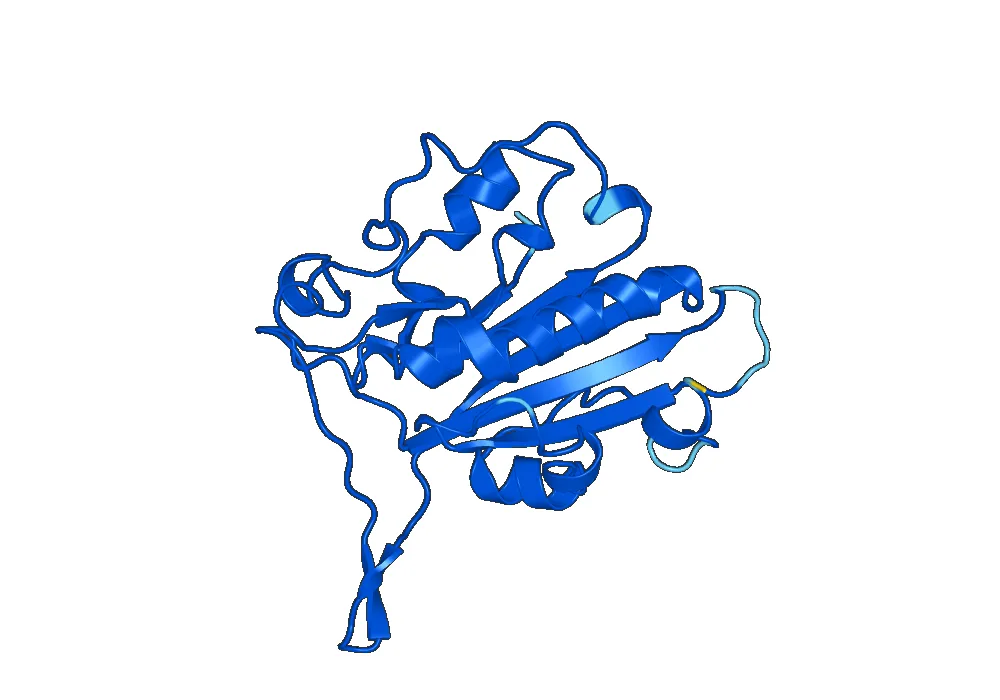
The crystal structure of recombinant human EXOG protein has been determined, revealing its unique three-dimensional shape. It has a globular structure with a central core and two protruding arms that contain the active site for DNA cleavage.
Activity of Recombinant Human EXOG Protein
Recombinant Human EXOG Protein is a highly active enzyme that is involved in the repair of DNA damage caused by oxidative stress. It has a strong affinity for DNA and can recognize and bind to damaged DNA structures, such as single-strand breaks and abasic sites.
Once bound to the damaged DNA, the recombinant protein utilizes its nuclease activity to cleave the damaged DNA strand, removing the damaged portion and allowing for repair to occur. This process is critical for maintaining the integrity of the genome and preventing mutations that can lead to diseases such as cancer.
In addition to its role in DNA repair, recombinant human EXOG protein has also been shown to have a protective effect against oxidative stress. It can scavenge reactive oxygen species and prevent them from damaging DNA, thus reducing the overall level of oxidative stress in cells.
Applications of Recombinant Human EXOG Protein
Recombinant Human EXOG Protein has a wide range of applications in both research and clinical settings. Its ability to repair DNA damage makes it a valuable tool for studying the mechanisms of DNA repair and the effects of oxidative stress on the genome.
In addition, recombinant human EXOG protein has potential therapeutic applications. It has been shown to have a protective effect against oxidative stress in various disease models, including neurodegenerative diseases and cardiovascular diseases. This makes it a promising candidate for the development of new treatments for these conditions.
Furthermore, the recombinant protein has been used in diagnostic assays for detecting DNA damage and oxidative stress. Its high specificity and activity make it an ideal tool for accurately measuring the level of DNA damage in biological samples.
Conclusion
Recombinant Human EXOG Protein is a crucial enzyme involved in DNA repair and maintenance. Its unique structure and activity make it a valuable tool for studying DNA repair mechanisms and developing new treatments for diseases caused by oxidative stress. With its wide range of applications, this recombinant protein has the potential to greatly impact the fields of research and medicine.

There are no reviews yet.