Introduction to Recombinant Human FGF16 Protein
Recombinant Human FGF16 Protein, also known as Fibroblast Growth Factor 16, is a member of the fibroblast growth factor family of proteins. It is a small, secreted protein that plays an important role in cell growth, survival, and differentiation. Recombinant Human FGF16 Protein is produced through genetic engineering techniques, making it a highly pure and specific protein with a wide range of applications in the field of biotechnology and medicine.
Structure of Recombinant Human FGF16 Protein
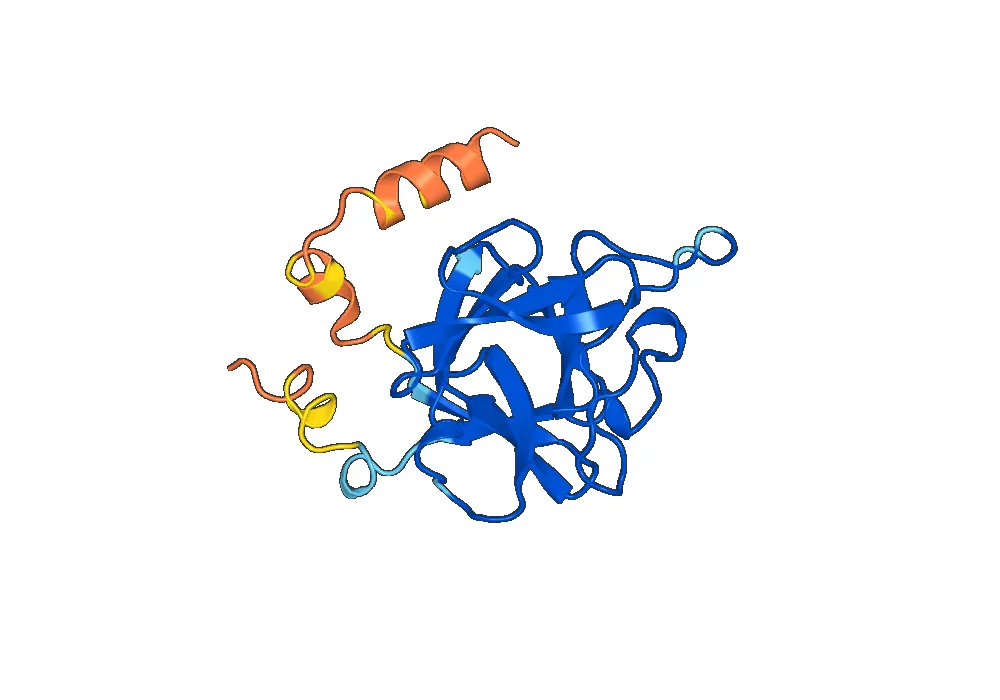
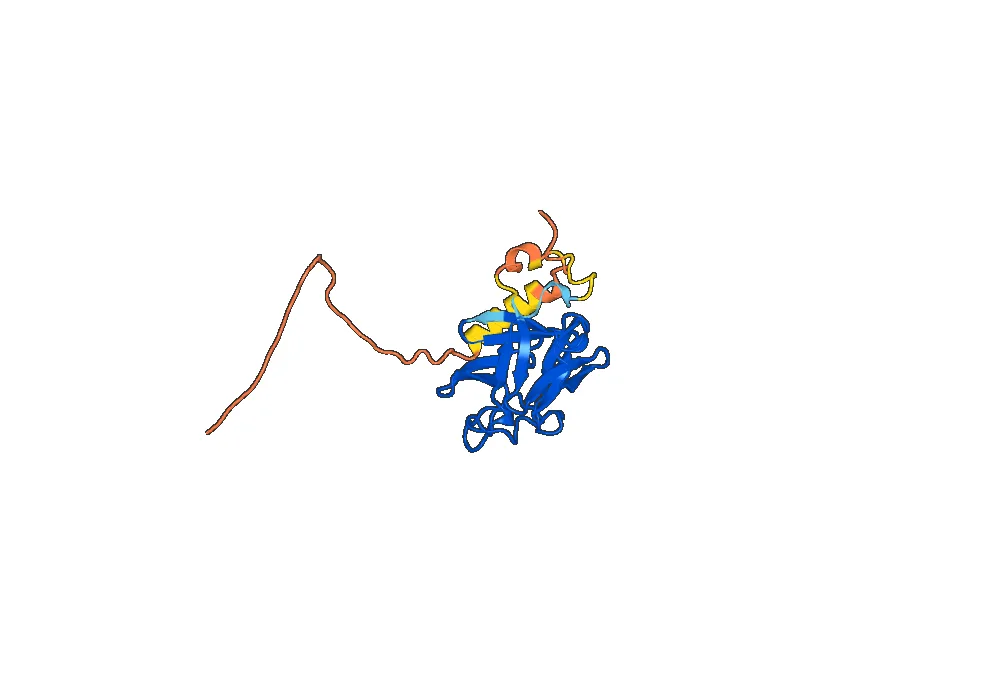
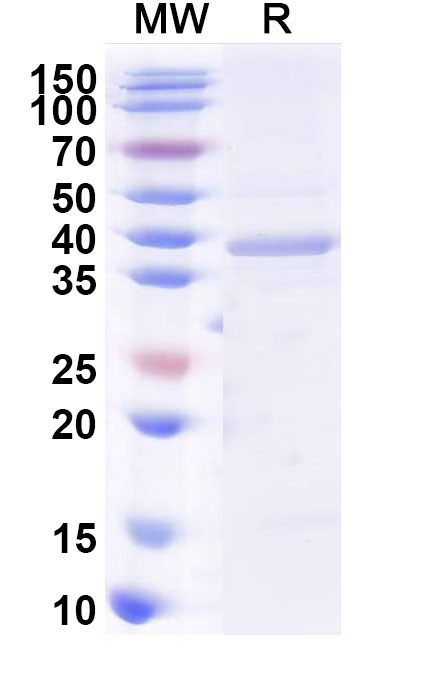
Recombinant Human FGF16 Protein is a 207 amino acid protein with a molecular weight of approximately 23 kDa. It is composed of a highly conserved core region, consisting of 12 beta strands and 4 alpha helices, which is responsible for its biological activity. This core region is flanked by two flexible regions, known as the N- and C-termini, which are involved in binding to specific receptors and modulating its activity.
Recombinant Human FGF16 Protein is produced in a variety of expression systems, including bacteria, yeast, and mammalian cells. It is commonly produced as a fusion protein with a His-tag or other affinity tags to facilitate purification and detection. The recombinant protein is highly stable and can be stored at -20°C for long periods without significant loss of activity.
Activity of Recombinant Human FGF16 Protein
The primary function of Recombinant Human FGF16 Protein is to stimulate cell proliferation, survival, and differentiation. It exerts its effects by binding to specific cell surface receptors, known as fibroblast growth factor receptors (FGFRs). Upon binding, Recombinant Human FGF16 Protein activates downstream signaling pathways, including the MAPK/ERK and PI3K/AKT pathways, which regulate various cellular processes such as cell growth, survival, and differentiation.
In addition to its role in normal cellular processes, Recombinant Human FGF16 Protein has also been implicated in various disease states. For example, it has been shown to play a critical role in promoting angiogenesis, the formation of new blood vessels, which is essential for tumor growth and metastasis. It has also been linked to cardiovascular diseases, as well as neurological disorders such as Alzheimer’s disease and Parkinson’s disease.
Application of Recombinant Human FGF16 Protein
Due to its diverse biological activities, Recombinant Human FGF16 Protein has a wide range of applications in research and medicine. It is commonly used as a growth factor supplement in cell culture media to promote cell proliferation and survival. It is also used in various in vitro assays to study its effects on different cell types and signaling pathways.
One of the most promising applications of Recombinant Human FGF16 Protein is in tissue engineering and regenerative medicine. It has been shown to promote the growth and differentiation of various cell types, including stem cells, which could potentially be used to repair damaged tissues and organs. Recombinant Human FGF16 Protein has also been investigated for its potential in promoting wound healing and tissue repair in various animal models.
In addition to its research applications, Recombinant Human FGF16 Protein has also been studied as a potential therapeutic agent. Clinical trials have been conducted to evaluate its efficacy in treating various diseases, including cardiovascular diseases, bone disorders, and neurodegenerative diseases. While further studies are needed, the results so far have been promising, indicating the potential of Recombinant Human FGF16 Protein as a therapeutic agent.
Conclusion
In summary, Recombinant Human FGF16 Protein is a highly pure and specific protein with a wide range of applications in research and medicine. Its structure, activity, and potential therapeutic applications make it a valuable tool for studying various cellular processes and developing new treatments for diseases. As research in this field continues to advance

There are no reviews yet.