Introduction
Recombinant Human FGFRL1 is a protein that has been artificially produced using genetic engineering techniques. It belongs to the fibroblast growth factor receptor (FGFR) family and is also known as FGFR5. This protein plays a crucial role in various biological processes, making it a valuable tool for scientific research and potential therapeutic applications.
Structure of Recombinant Human FGFRL1
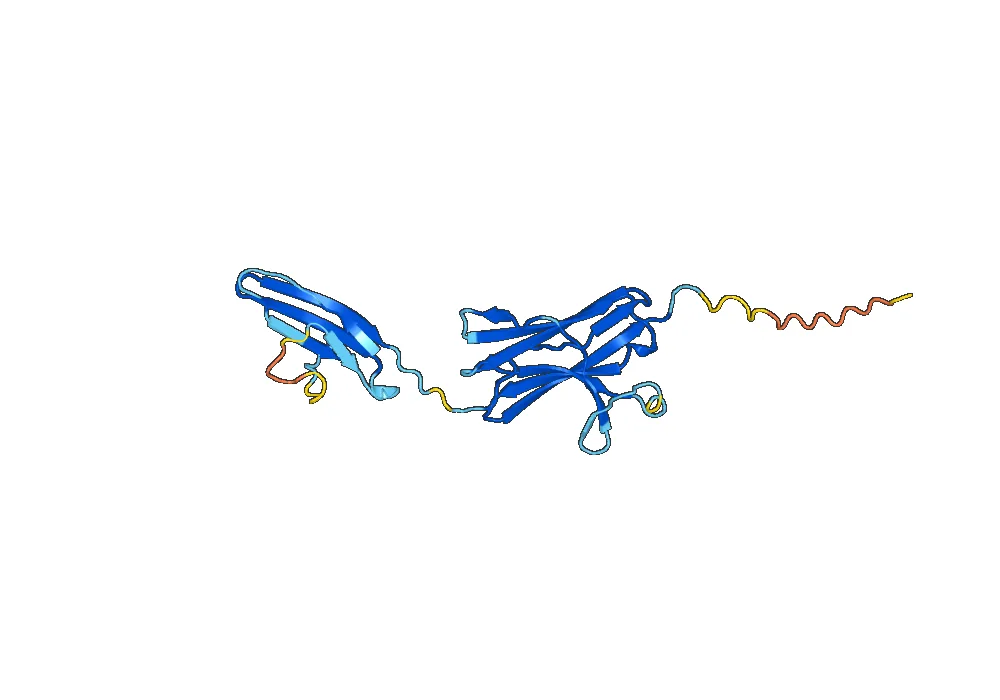
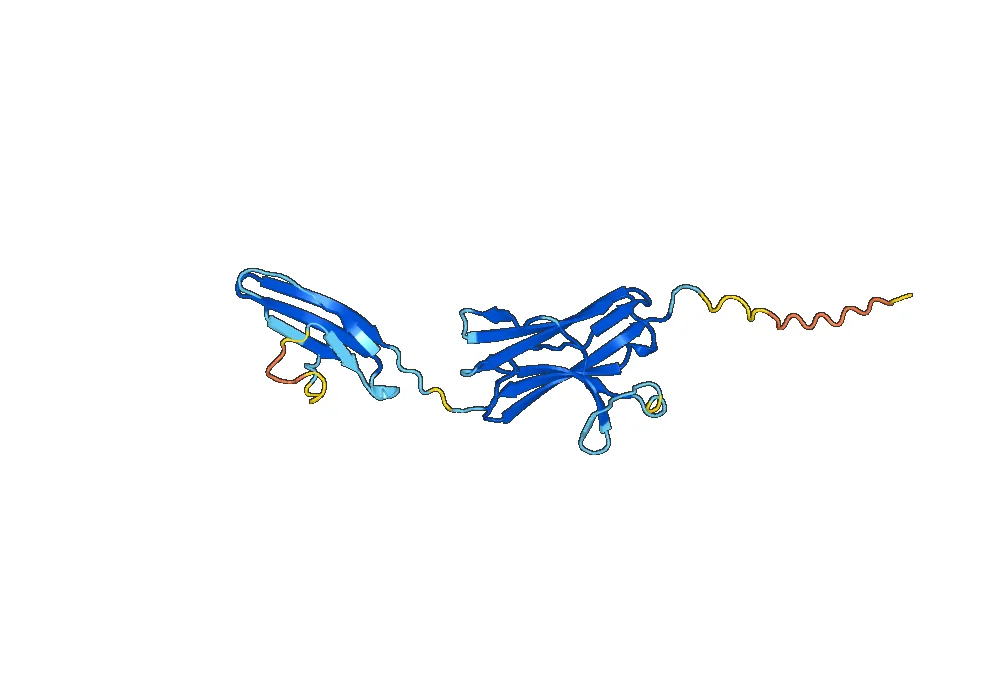
The recombinant form of FGFRL1 is a 338-amino acid protein with a molecular weight of approximately 38 kDa. It consists of three domains: an extracellular ligand-binding domain, a transmembrane domain, and an intracellular tyrosine kinase domain. The extracellular domain contains three immunoglobulin-like domains, which are responsible for binding to fibroblast growth factors (FGFs). The transmembrane domain anchors the protein to the cell membrane, while the intracellular domain is involved in signal transduction.
Activity of Recombinant Human FGFRL1
FGFRL1 is a receptor for FGFs, which are growth factors involved in cell proliferation, differentiation, and survival. Upon binding to FGFs, FGFRL1 activates downstream signaling pathways, such as the MAPK/ERK and PI3K/Akt pathways, which regulate various cellular processes. FGFRL1 has been shown to play a role in embryonic development, wound healing, and tissue repair. It is also involved in the regulation of bone metabolism and angiogenesis.
Application of Recombinant Human FGFRL1
Recombinant Human FGFRL1 has a wide range of applications in both basic research and clinical settings. Some of the key applications include:
1. Studying FGF signaling
As a receptor for FGFs, FGFRL1 is an important component of the FGF signaling pathway. Recombinant Human FGFRL1 can be used to study the binding affinity and specificity of different FGFs, as well as the downstream signaling events triggered by FGFRL1 activation. This information can help researchers better understand the role of FGF signaling in various biological processes.
2. Investigating developmental processes
FGFRL1 has been shown to play a critical role in embryonic development, particularly in the formation of the skeletal system. Recombinant Human FGFRL1 can be used to study the effects of FGFRL1 on cell proliferation, differentiation, and migration during embryonic development. This can provide valuable insights into the mechanisms underlying skeletal development and potential therapeutic targets for skeletal disorders.
3. Potential therapeutic applications
Given its involvement in various biological processes, FGFRL1 has been identified as a potential therapeutic target for several diseases. Recombinant Human FGFRL1 can be used to screen for small molecule inhibitors that can block FGFRL1 signaling and potentially treat diseases such as cancer, osteoporosis, and cardiovascular disorders.
4. Biomarker for disease diagnosis
FGFRL1 has been found to be overexpressed in certain types of cancer, making it a potential biomarker for disease diagnosis. Recombinant Human FGFRL1 can be used to develop diagnostic tests for cancer, allowing for early detection and better treatment outcomes.
5. Production of therapeutic antibodies
Recombinant Human FGFRL1 can be used as an antigen to produce specific antibodies for therapeutic purposes. These antibodies can be used to target and block FGFRL1 signaling in diseases where FGFRL1 is overexpressed, such as cancer.
Conclusion
In summary, Recombinant Human FGFRL1 is a valuable protein with diverse applications in scientific research and potential therapeutic uses. Its structure, activity, and role in various biological processes make it a promising tool for studying FGF signaling and developing treatments for diseases. With further research and development, Recombinant Human FGFRL1 has the potential to make a

There are no reviews yet.