Introduction to Recombinant Human FGGY Protein
Recombinant Human FGGY Protein, also known as Fructose-1,6-bisphosphatase 1 (FBP1), is a key enzyme involved in the regulation of glucose metabolism. This protein is encoded by the FBP1 gene and is involved in the gluconeogenesis pathway, which is responsible for the production of glucose from non-carbohydrate sources in the liver and kidneys.
Structure of Recombinant Human FGGY Protein
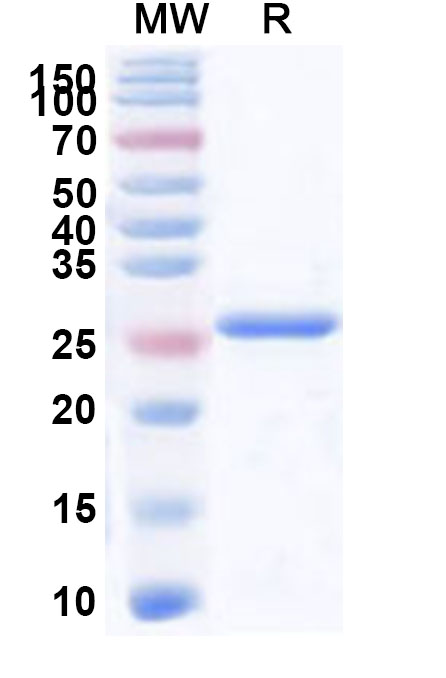
Recombinant Human FGGY Protein is a 338 amino acid protein with a molecular weight of approximately 37 kDa. It is composed of two subunits, each containing a catalytic domain and a regulatory domain. The catalytic domain is responsible for the enzymatic activity of FBP1, while the regulatory domain helps to regulate the activity of the enzyme.
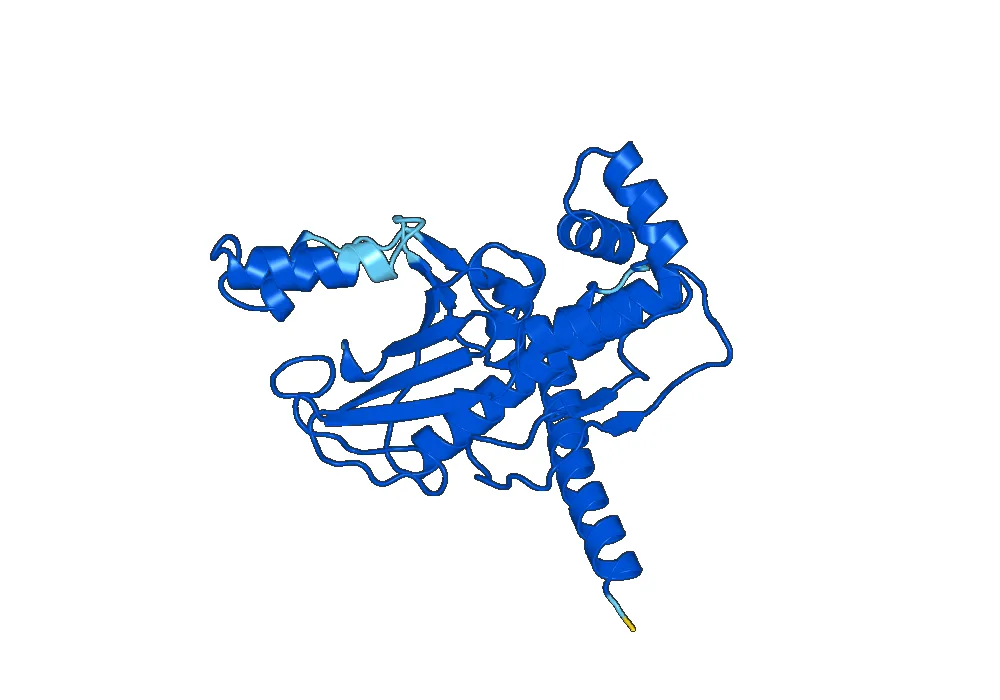
The crystal structure of Recombinant Human FGGY Protein has been determined, revealing a complex three-dimensional structure with multiple domains. The catalytic domain contains a conserved active site, which is responsible for the binding and hydrolysis of fructose-1,6-bisphosphate, the substrate of FBP1. The regulatory domain contains binding sites for allosteric regulators, such as AMP and citrate, which can modulate the activity of the enzyme.
Activity of Recombinant Human FGGY Protein
The main function of Recombinant Human FGGY Protein is to catalyze the conversion of fructose-1,6-bisphosphate to fructose-6-phosphate, an important step in the gluconeogenesis pathway. This reaction is reversible and is regulated by the levels of allosteric regulators, such as AMP and citrate, as well as by post-translational modifications, such as phosphorylation.
In addition to its role in gluconeogenesis, Recombinant Human FGGY Protein has also been found to play a role in other metabolic processes, such as lipogenesis and glycogen synthesis. This enzyme is also involved in the regulation of glucose homeostasis and insulin sensitivity.
Application of Recombinant Human FGGY Protein
Recombinant Human FGGY Protein has a wide range of applications in both research and clinical settings. One of its main uses is in the study of glucose metabolism and its dysregulation in diseases such as diabetes and metabolic syndrome. Recombinant Human FGGY Protein can be used to investigate the role of FBP1 in these conditions and to develop potential therapeutic interventions.
In addition, Recombinant Human FGGY Protein is also used in the production of diagnostic kits for the measurement of FBP1 levels in patient samples. Abnormal levels of FBP1 have been linked to various diseases, making it a potential biomarker for the early detection and monitoring of these conditions.
Furthermore, Recombinant Human FGGY Protein is also used in drug discovery and development. As FBP1 is a potential target for the treatment of metabolic disorders, inhibitors of this enzyme are being developed as potential therapeutics. Recombinant Human FGGY Protein can be used in high-throughput screening assays to identify and characterize potential inhibitors, leading to the development of new treatments for these diseases.
Conclusion
In conclusion, Recombinant Human FGGY Protein is a key enzyme involved in glucose metabolism and has a wide range of applications in research and clinical settings. Its structure and activity have been extensively studied, providing valuable insights into its role in various metabolic processes. With ongoing research and development, Recombinant Human FGGY Protein holds great potential for the diagnosis and treatment of metabolic disorders.

There are no reviews yet.