Recombinant Human FSHR (Follicle Stimulating Hormone Receptor) Protein is a genetically engineered protein that is produced in a laboratory using recombinant DNA technology. It is a glycoprotein hormone receptor that plays a crucial role in the reproductive system by regulating follicle development and ovulation in females, and spermatogenesis in males. This protein is a key target for fertility treatments and is also used in research and diagnostic assays.
Structure of Recombinant Human FSHR Protein
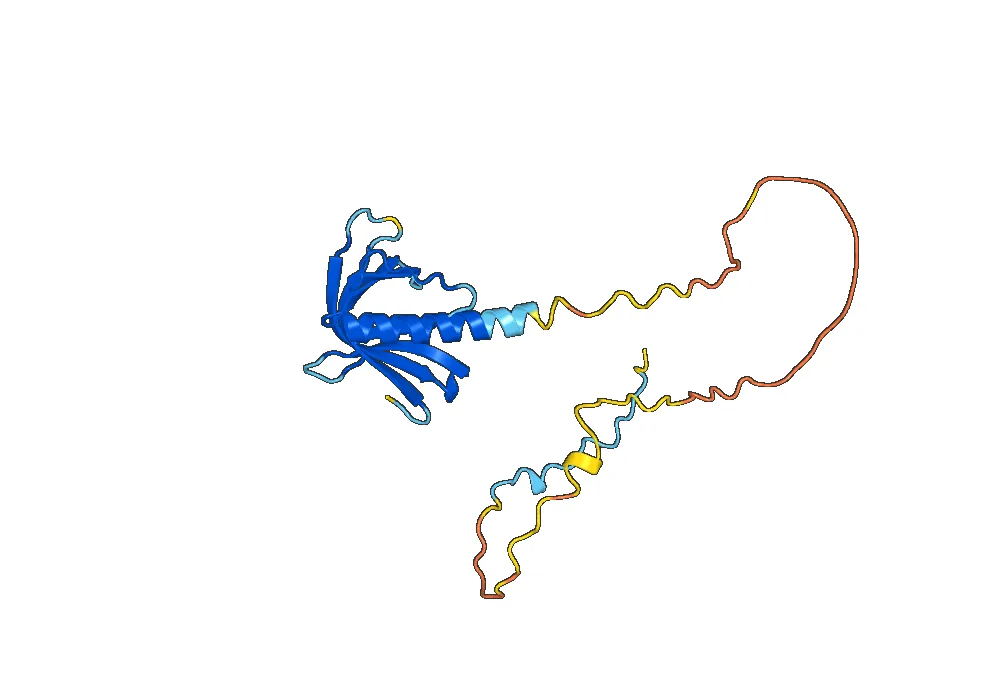
The recombinant human FSHR protein is a transmembrane protein consisting of 695 amino acids with a molecular weight of approximately 78 kDa. It is composed of three main domains: an extracellular domain, a transmembrane domain, and an intracellular domain.
The extracellular domain of FSHR protein contains the hormone binding site and is responsible for binding to the follicle stimulating hormone (FSH). The transmembrane domain is a highly hydrophobic region that spans the cell membrane and anchors the protein in place. The intracellular domain is responsible for activating intracellular signaling pathways upon FSH binding.
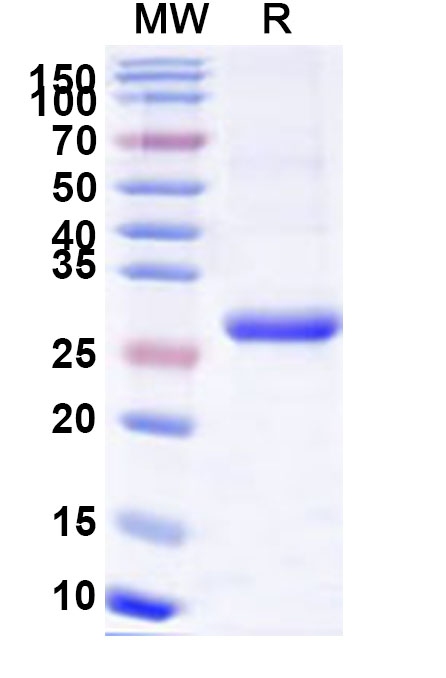
The recombinant FSHR protein is produced in mammalian cell lines, ensuring proper folding and post-translational modifications such as glycosylation, which are essential for its biological activity.
Activity of Recombinant Human FSHR Protein
The primary function of FSHR protein is to bind to FSH and initiate signaling pathways that regulate follicle development and ovulation in females, and spermatogenesis in males. FSHR protein is expressed in the ovaries and testes, as well as in other tissues such as the adrenal glands, thyroid, and brain.
Upon binding to FSH, the FSHR protein undergoes a conformational change, leading to the activation of intracellular signaling pathways such as cAMP, PKA, and ERK. These pathways play a crucial role in the development and maturation of follicles in the ovaries and sperm production in the testes.
Abnormalities in FSHR protein activity can lead to infertility, as seen in individuals with mutations in the FSHR gene. Recombinant FSHR protein can be used to study the effects of these mutations and to develop potential treatments for infertility.
Application of Recombinant Human FSHR Protein
Recombinant Human FSHR protein has various applications in the field of reproductive medicine and research. It is primarily used in fertility treatments, where it is administered to stimulate follicle development and ovulation in women undergoing assisted reproductive technologies such as in vitro fertilization (IVF).
Recombinant FSHR protein is also used in research to study the mechanisms of fertility and infertility. It can be used to screen for mutations in the FSHR gene and to develop potential treatments for infertility caused by FSHR mutations.
In addition, recombinant FSHR protein is used in diagnostic assays to measure FSH levels in the blood. Elevated levels of FSH can indicate ovarian dysfunction or menopause, while low levels can indicate pituitary or hypothalamic disorders.
In conclusion, Recombinant Human FSHR protein is a crucial tool in the field of reproductive medicine and research. Its structure, activity, and applications make it an essential protein in the regulation of fertility and the development of potential treatments for infertility. With ongoing advancements in recombinant technology, the use of FSHR protein is expected to further expand in the future.

There are no reviews yet.