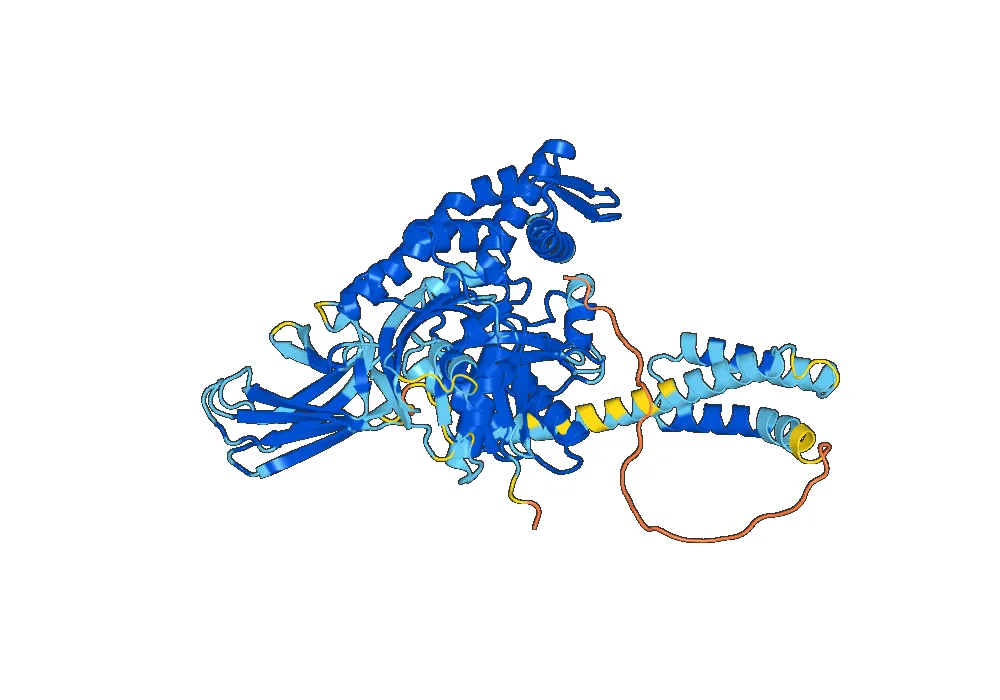
Structure of Recombinant Human HSPA1B/HSP70-2 Protein
Recombinant Human HSPA1B/HSP70-2 Protein, also known as heat shock protein 70-2, is a member of the HSP70 family of proteins. It is a 70-kDa protein that is composed of 641 amino acids. The protein has a highly conserved structure, with a central ATPase domain and two flanking peptide-binding domains. These domains are responsible for the protein’s chaperone activity, which helps in the proper folding of other proteins.
The recombinant form of this protein is produced in a laboratory setting through genetic engineering techniques. The gene for HSPA1B/HSP70-2 is isolated and inserted into a plasmid, which is then introduced into a host cell, such as bacteria or yeast. The host cell then produces the protein, which can be purified and used for various applications.
Activity of Recombinant Human HSPA1B/HSP70-2 Protein
The main function of HSPA1B/HSP70-2 is to act as a molecular chaperone, which means it helps in the proper folding of other proteins. This is a crucial process in the cell, as misfolded proteins can lead to various diseases. HSPA1B/HSP70-2 accomplishes this by binding to exposed hydrophobic regions of unfolded or misfolded proteins, preventing them from aggregating and promoting their correct folding.
In addition to its chaperone activity, HSPA1B/HSP70-2 also plays a role in protein degradation and transport. It helps in the delivery of proteins to different cellular compartments and can also target misfolded or damaged proteins for degradation by the proteasome.
Another important function of HSPA1B/HSP70-2 is its role in cellular stress response. It is induced by various stressors, such as heat, oxidative stress, and infection, and helps in the survival of cells under these conditions. It achieves this by stabilizing cellular proteins and preventing their denaturation or degradation.
Application of Recombinant Human HSPA1B/HSP70-2 Protein
The use of recombinant HSPA1B/HSP70-2 protein has a wide range of applications in both research and medical fields. Some of the major applications include:
- Protein production: Recombinant HSPA1B/HSP70-2 protein can be used as a chaperone in the production of other proteins. It can help in the correct folding of recombinant proteins, leading to higher yields and better quality.
- Therapeutic development: HSPA1B/HSP70-2 has been found to play a protective role in various diseases, such as cancer, neurodegenerative disorders, and cardiovascular diseases. Recombinant protein can be used in the development of therapeutics targeting these diseases.
- Diagnostic tool: HSPA1B/HSP70-2 has been identified as a potential biomarker for certain diseases. Recombinant protein can be used in diagnostic tests to detect the presence of this protein in patient samples.
- Vaccine development: Recombinant HSPA1B/HSP70-2 protein has been used as an antigen in vaccine development for various diseases, including malaria and tuberculosis. It has been shown to induce a strong immune response and can be used as a potential vaccine candidate.
Conclusion
In summary, Recombinant Human HSPA1B/HSP70-2 Protein

There are no reviews yet.