Introduction
Recombinant Human HUS1 Protein, also known as HUS1 checkpoint clamp component, is a protein that plays a crucial role in maintaining genomic stability and preventing DNA damage. It is a recombinant protein, meaning it is produced through genetic engineering techniques, and is widely used in scientific research and medical applications.
Structure of Recombinant Human HUS1 Protein
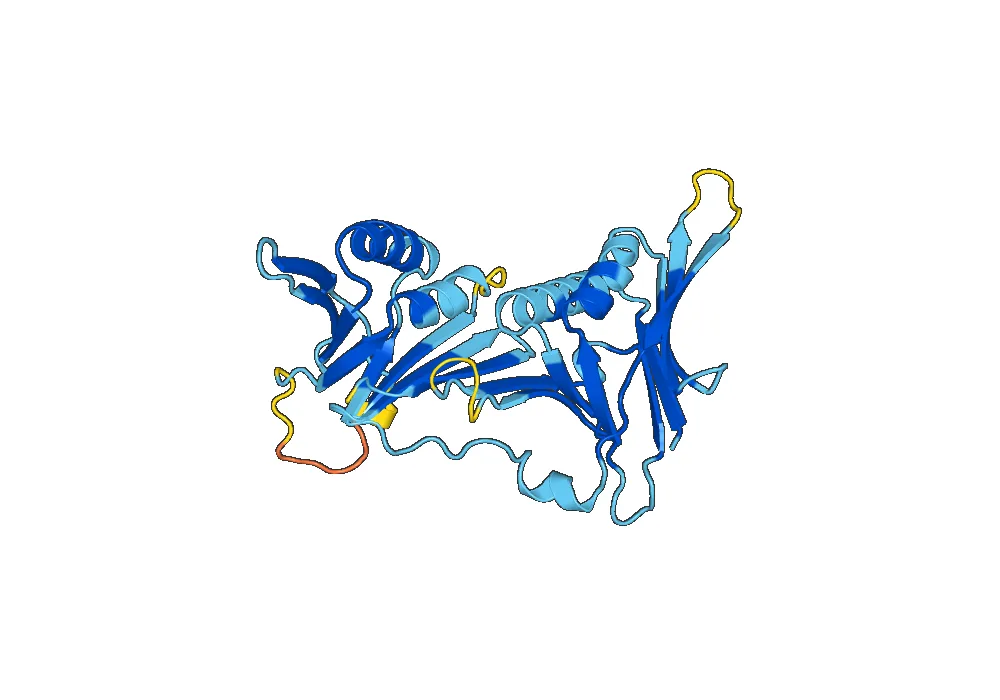
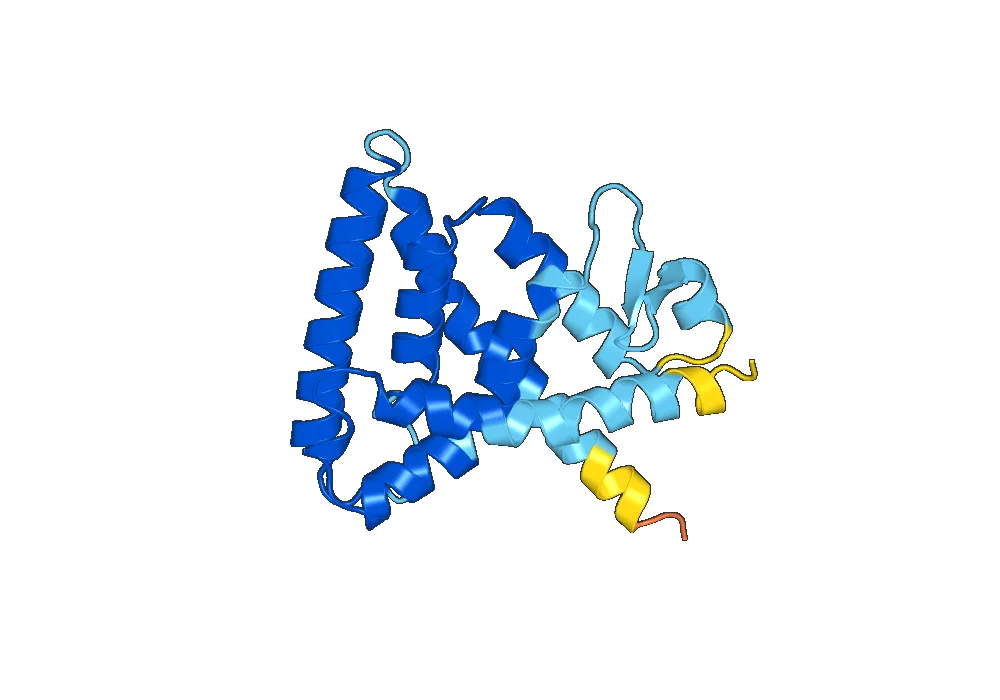
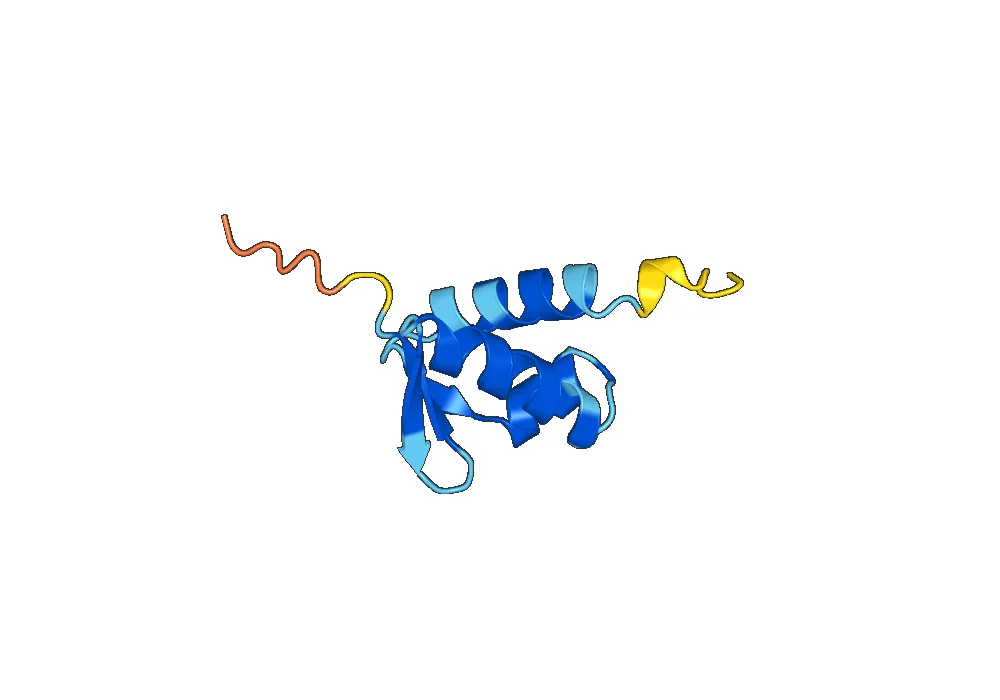
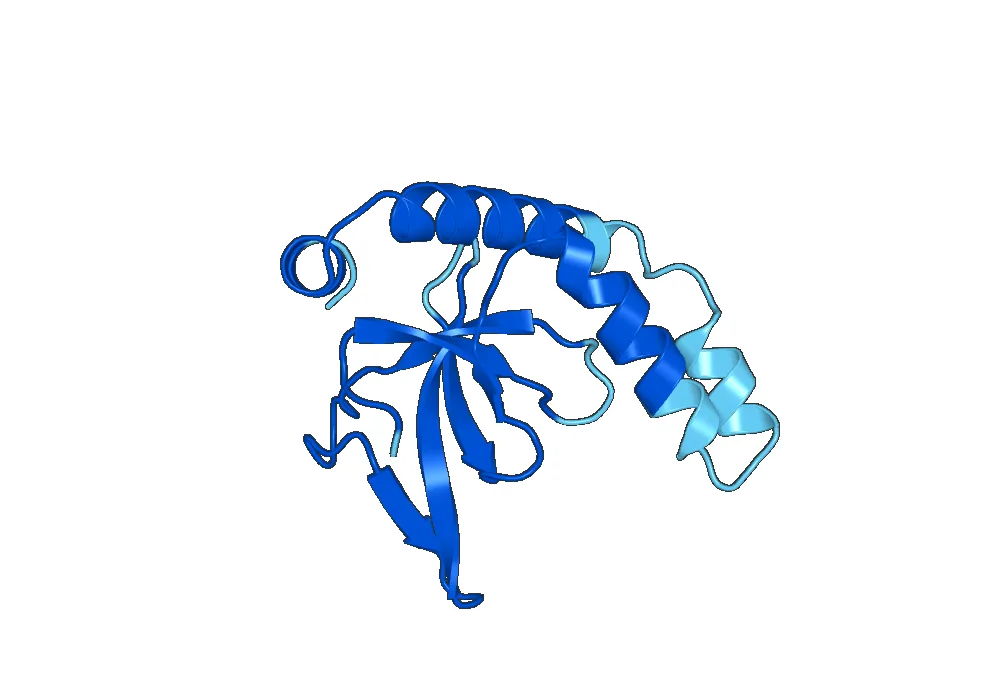
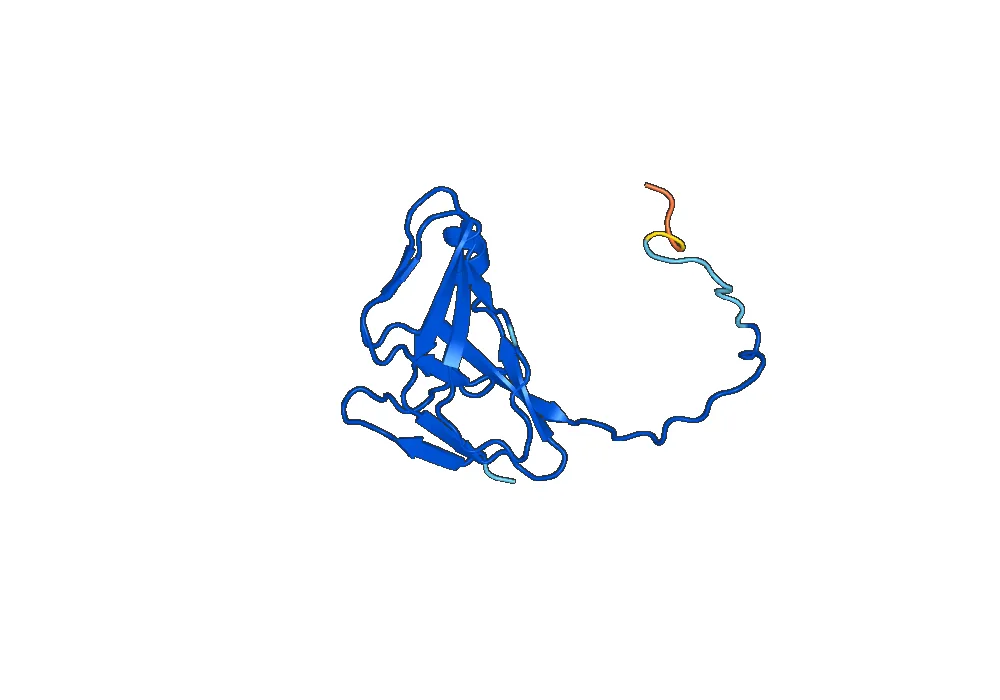
The HUS1 protein is a subunit of the RAD9-HUS1-RAD1 (9-1-1) complex, which is a heterotrimeric protein complex involved in DNA damage response and cell cycle regulation. The recombinant form of HUS1 is produced by cloning and expressing the HUS1 gene in a suitable host, such as E. coli or yeast. The resulting protein has a molecular weight of approximately 37 kDa and consists of 327 amino acids. It contains a conserved PCNA (proliferating cell nuclear antigen) binding motif and a BRCT (BRCA1 C-terminus) domain, both of which are essential for its function in DNA damage repair.
Activity of Recombinant Human HUS1 Protein
Recombinant Human HUS1 Protein is involved in the activation and regulation of the DNA damage checkpoint pathway. It acts as a sensor of DNA damage and initiates a signaling cascade that leads to cell cycle arrest, DNA repair, and ultimately, cell survival. HUS1 forms a complex with RAD9 and RAD1, and together they act as a sliding clamp that binds to damaged DNA and recruits other proteins involved in DNA repair. In addition, HUS1 also interacts with other checkpoint proteins, such as CHK1 and ATR, to coordinate the DNA damage response.
Furthermore, studies have shown that HUS1 is also involved in the maintenance of telomere length and stability. Telomeres are protective structures at the ends of chromosomes that prevent DNA damage and regulate cellular aging. HUS1 deficiency has been linked to telomere shortening and genomic instability, highlighting the critical role of this protein in maintaining genomic integrity.
Application of Recombinant Human HUS1 Protein
Recombinant Human HUS1 Protein has a wide range of applications in scientific research and medical fields. It is commonly used as an antigen in immunoassays, such as ELISA and Western blot, to detect the presence of HUS1 in biological samples. It can also be used as a positive control in protein-protein interaction studies to investigate its binding partners and signaling pathways.
Moreover, the role of HUS1 in DNA damage response and cell cycle regulation makes it a valuable tool in cancer research. Mutations in HUS1 have been associated with various types of cancer, and studying its function can provide insights into the development and progression of these diseases. In addition, HUS1 has been identified as a potential target for cancer therapy, and recombinant HUS1 protein can be used in drug discovery and development.
Recombinant Human HUS1 Protein also has potential applications in personalized medicine. As a biomarker for DNA damage, it can be used to predict an individual’s response to chemotherapy and radiation therapy. Furthermore, HUS1 deficiency has been linked to certain genetic disorders, and recombinant HUS1 protein can aid in the diagnosis and treatment of these conditions.
Conclusion
In conclusion, Recombinant Human HUS1 Protein is a crucial component in maintaining genomic stability and preventing DNA damage. Its recombinant form has been extensively used in scientific research and has potential applications in various fields, including cancer research and personalized medicine. With its essential role in DNA damage response, recombinant HUS1 protein continues to be a valuable tool in understanding and treating diseases related to genomic instability.

There are no reviews yet.