Introduction to Recombinant Human IFT57 Protein
Recombinant Human IFT57 Protein, also known as Intraflagellar Transport Protein 57, is a protein that plays a crucial role in the process of intraflagellar transport (IFT). IFT is a mechanism that is responsible for the movement of proteins and other molecules within cilia and flagella, which are important organelles found in eukaryotic cells. This protein is encoded by the IFT57 gene and is highly conserved among different species, indicating its importance in cellular function.
Structure of Recombinant Human IFT57 Protein
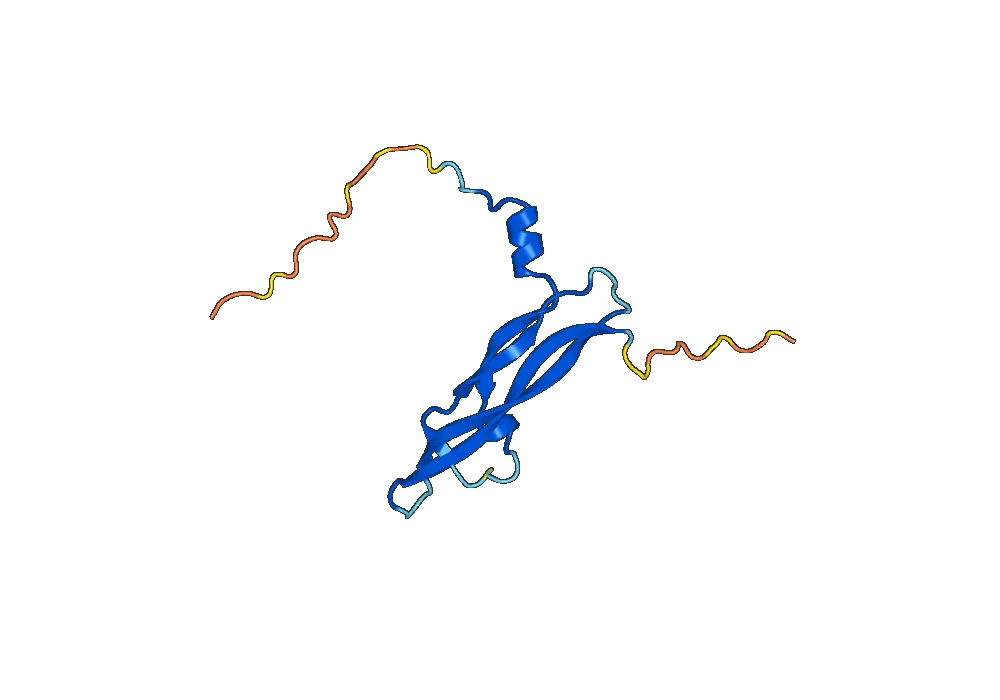
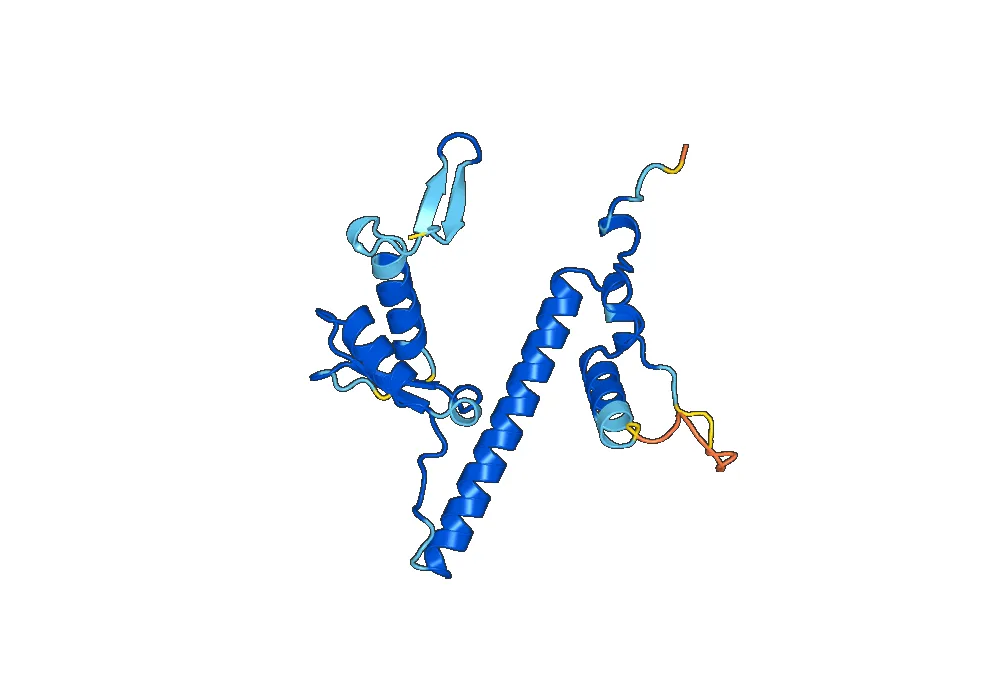
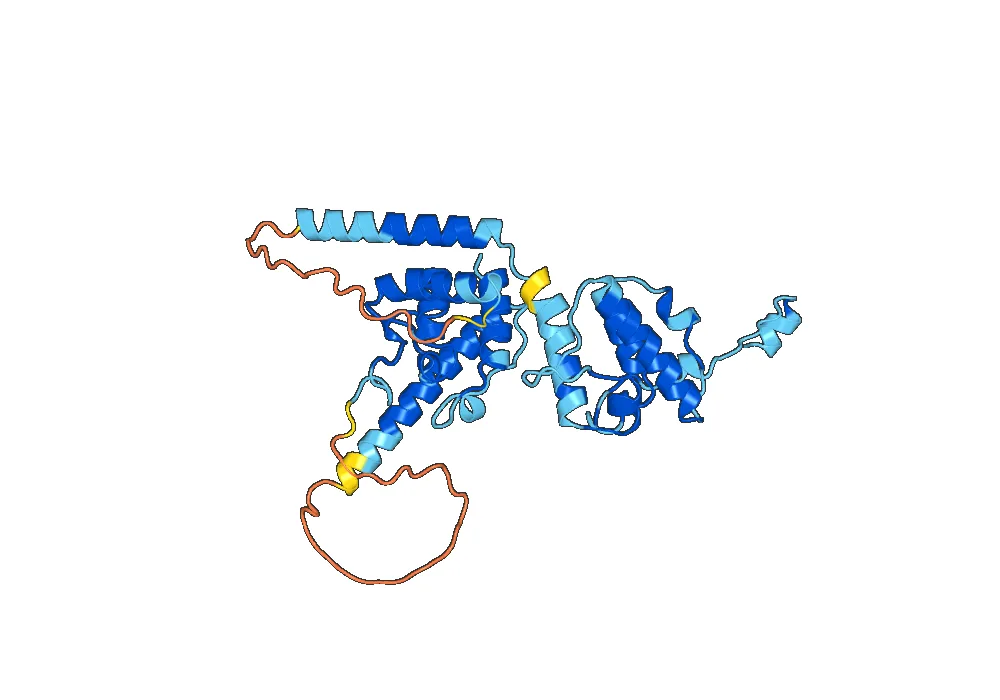
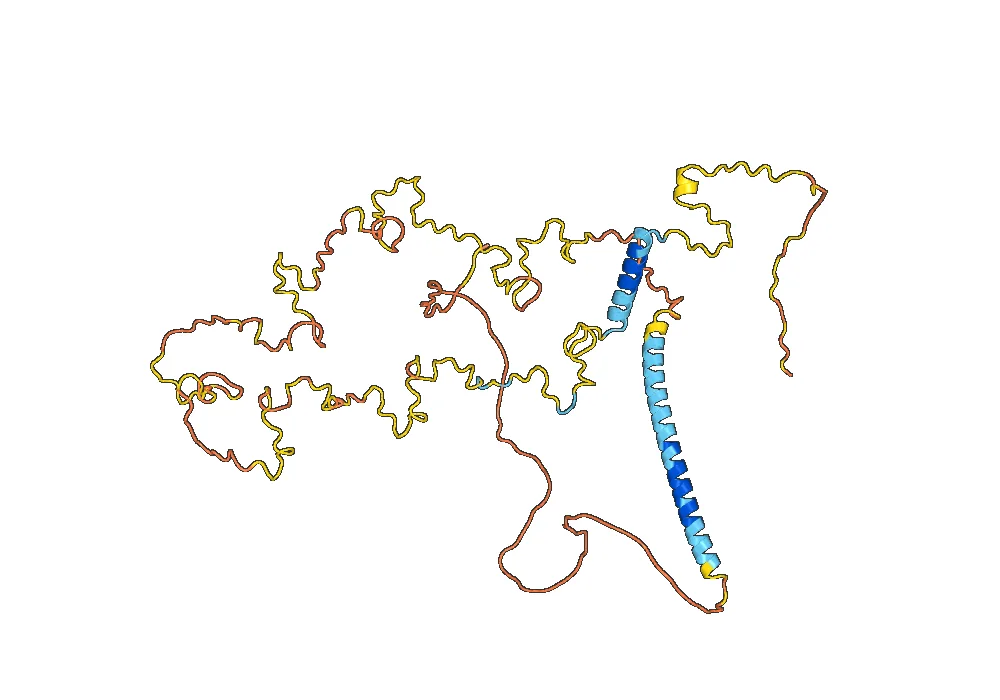
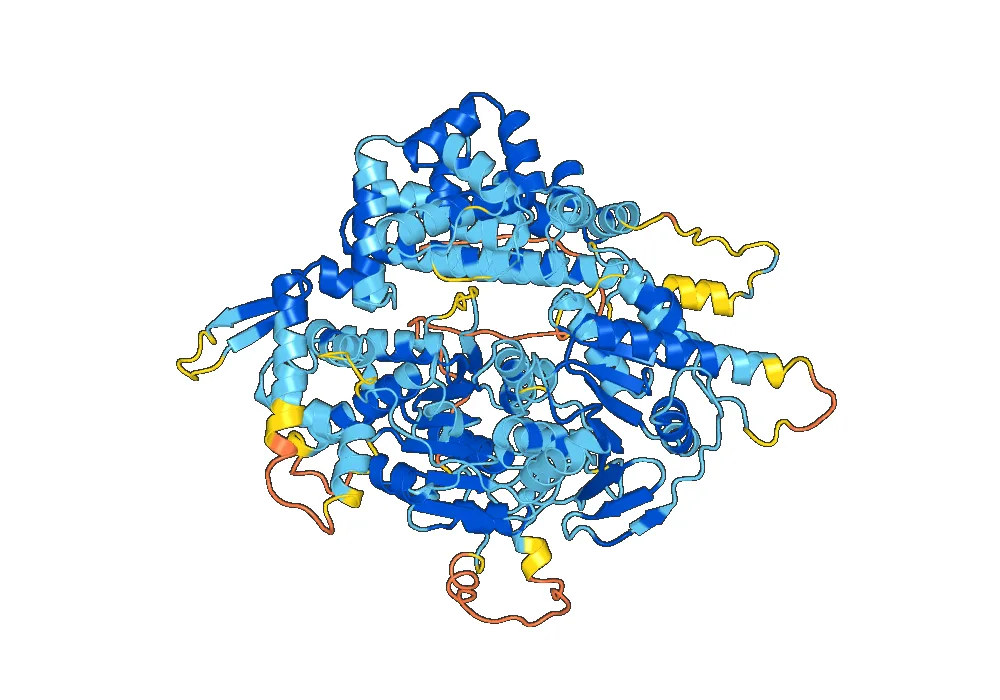
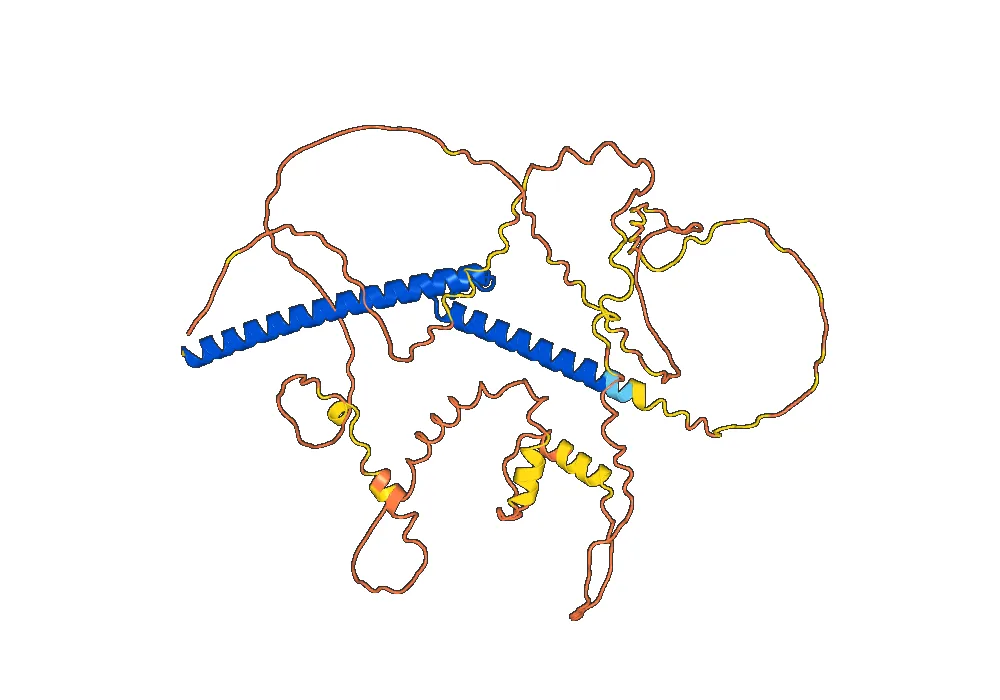
The Recombinant Human IFT57 Protein is a 57 kDa protein consisting of 505 amino acids. It belongs to the IFT-B complex, which is responsible for the retrograde transport of cargo molecules from the distal tip to the base of cilia and flagella. The protein contains a coiled-coil domain, which is involved in protein-protein interactions, and a WD40 repeat domain, which is important for protein binding and assembly. The protein also has a conserved C-terminal domain that is essential for its function in IFT.
Activity of Recombinant Human IFT57 Protein
The primary function of Recombinant Human IFT57 Protein is to facilitate the movement of proteins and other molecules within cilia and flagella. It does this by forming a complex with other IFT proteins, including IFT52 and IFT88, to form the IFT-B complex. This complex is responsible for the retrograde transport of cargo molecules, such as signaling proteins and structural components, from the distal tip to the base of cilia and flagella. This transport is crucial for the proper function and maintenance of these organelles.
In addition to its role in IFT, Recombinant Human IFT57 Protein has also been found to play a role in the regulation of ciliary length. Studies have shown that depletion of this protein leads to shorter cilia, indicating its importance in maintaining ciliary structure and function.
Applications of Recombinant Human IFT57 Protein
Recombinant Human IFT57 Protein has a wide range of applications in both research and therapeutic fields. Its involvement in the process of IFT makes it a valuable tool for studying cilia and flagella-related diseases, such as Bardet-Biedl syndrome and polycystic kidney disease. By studying the function of this protein, researchers can gain a better understanding of the underlying mechanisms of these diseases and potentially develop new treatments.
Furthermore, Recombinant Human IFT57 Protein can also be used in the production of therapeutic antibodies. The protein has been shown to be a potential target for antibody production, as it is highly expressed in cancer cells and plays a role in tumor growth and metastasis. By targeting this protein, researchers can develop specific antibodies that can potentially be used for cancer treatment.
In addition, Recombinant Human IFT57 Protein can also be used for diagnostic purposes. Its presence in cilia and flagella makes it a potential biomarker for ciliopathies, which are a group of disorders caused by defects in cilia and flagella function. By detecting the levels of this protein, doctors can diagnose these disorders and provide appropriate treatment.
Conclusion
In summary, Recombinant Human IFT57 Protein is a crucial protein involved in the process of intraflagellar transport. Its structure, activity, and applications make it a valuable tool for studying cilia and flagella-related diseases, as well as for therapeutic and diagnostic purposes. As research on this protein continues, we can expect to gain a deeper understanding of its role in cellular function and potentially develop new treatments for various diseases.

There are no reviews yet.