Introduction to Recombinant Human IL17B
Recombinant Human IL17B is a protein that is produced using recombinant DNA technology, making it identical to the naturally occurring human IL17B protein. This protein is a member of the interleukin-17 (IL-17) family, which plays a crucial role in the immune response and inflammation. In this article, we will explore the structure, activity, and applications of Recombinant Human IL17B.
Structure of Recombinant Human IL17B
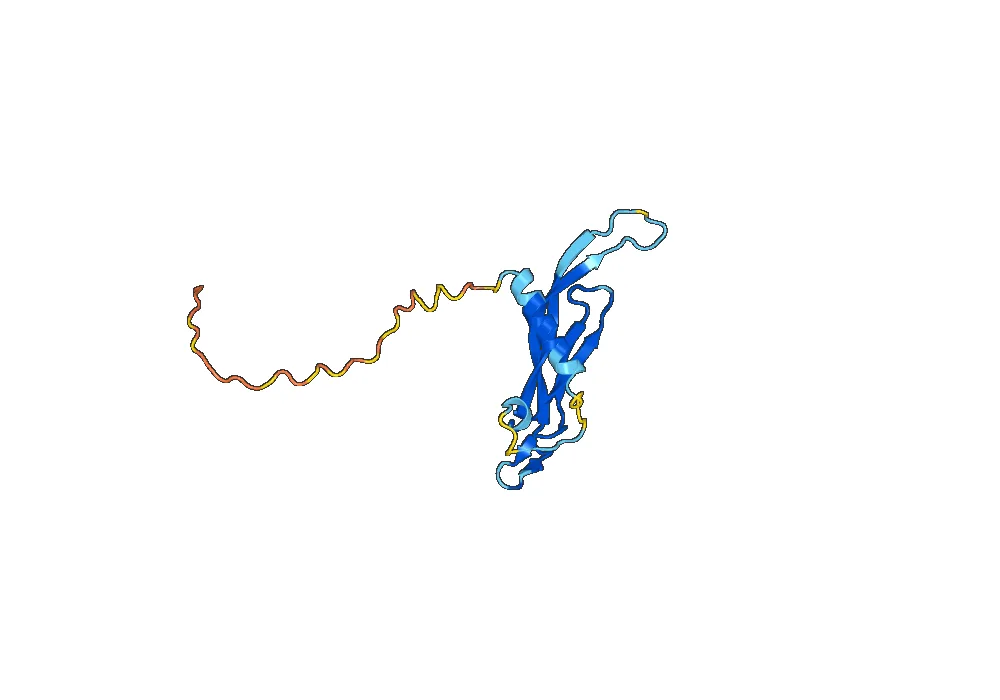
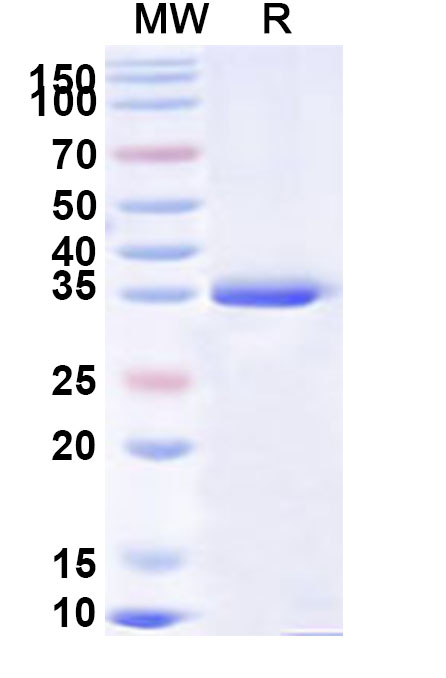
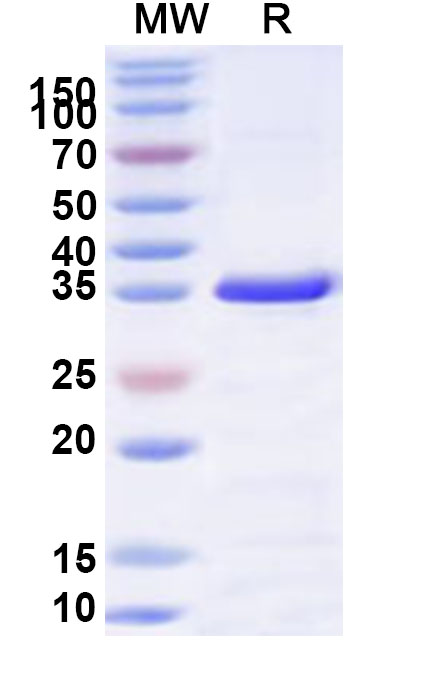
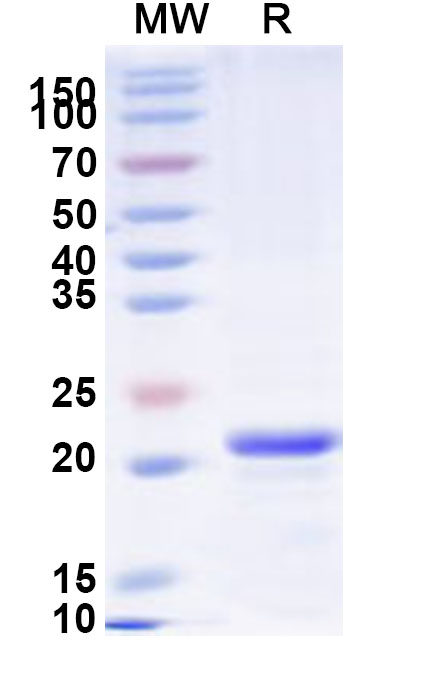
Recombinant Human IL17B is a small protein consisting of 136 amino acids with a molecular weight of approximately 15 kDa. It is composed of four alpha-helices and forms a homodimer, meaning it consists of two identical subunits. Each subunit has a characteristic cysteine-knot structure, which is a common feature of all IL-17 family members.
The crystal structure of Recombinant Human IL17B has been determined, revealing the specific interactions between the two subunits. The homodimeric structure of this protein is essential for its biological activity, as it allows for the binding of IL17B to its receptor.
Activity of Recombinant Human IL17B
Recombinant Human IL17B is a pro-inflammatory cytokine, meaning it promotes inflammation in the body. It exerts its activity by binding to its receptor, IL-17RB, which is expressed on various immune cells, including T cells, B cells, and macrophages.
Upon binding to its receptor, Recombinant Human IL17B activates a signaling pathway that leads to the production of other pro-inflammatory cytokines, such as IL-6 and TNF-alpha. These cytokines play a crucial role in the immune response and are involved in the recruitment and activation of immune cells to the site of inflammation.
In addition to its pro-inflammatory activity, Recombinant Human IL17B has also been shown to promote the growth and survival of certain cancer cells. This suggests that it may play a role in tumorigenesis and cancer progression.
Applications of Recombinant Human IL17B
Recombinant Human IL17B has a wide range of applications in both research and clinical settings. Its pro-inflammatory activity makes it a valuable tool for studying the immune response and inflammation in various diseases.
In research, Recombinant Human IL17B is commonly used to stimulate immune cells in vitro to study their response and production of pro-inflammatory cytokines. It can also be used to induce inflammation in animal models to study the underlying mechanisms and potential therapeutic interventions.
In the clinic, Recombinant Human IL17B has potential applications in the treatment of inflammatory diseases, such as rheumatoid arthritis and psoriasis. It may also have a role in cancer therapy, as targeting the IL-17 signaling pathway has been shown to inhibit tumor growth and metastasis.
Conclusion
Recombinant Human IL17B is a pro-inflammatory cytokine that plays a crucial role in the immune response and inflammation. Its homodimeric structure and ability to bind to its receptor make it a potent activator of pro-inflammatory signaling pathways. This protein has various applications in research and potential therapeutic uses in the treatment of inflammatory diseases and cancer. Further studies on Recombinant Human IL17B may provide valuable insights into the mechanisms of inflammation and potential treatments for related diseases.


There are no reviews yet.