The Structure and Activity of Recombinant Human LAMB3 Protein
Introduction
Recombinant proteins are proteins that are produced through genetic engineering techniques, where the gene encoding the protein of interest is inserted into a host organism, such as bacteria or yeast, for expression. Recombinant human LAMB3 protein is one such protein that has been extensively studied for its structure, activity and potential applications in various fields.
Structure of Recombinant Human LAMB3 Protein
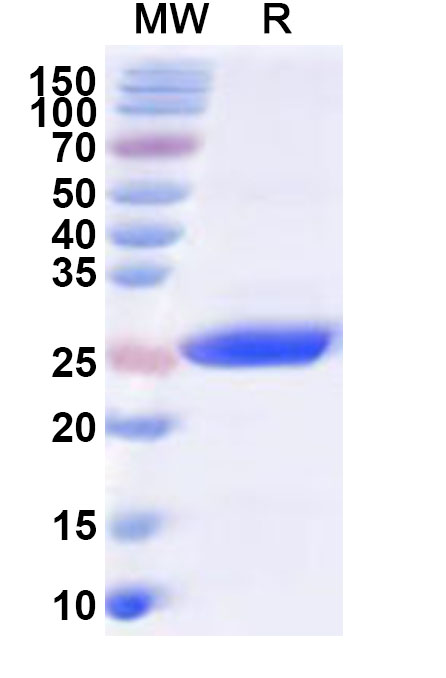
LAMB3, also known as laminin subunit beta-3, is a protein that is encoded by the LAMB3 gene in humans. It is a subunit of laminin-5, a protein complex that is found in the extracellular matrix of various tissues. The recombinant human LAMB3 protein is produced by expressing the LAMB3 gene in a suitable host organism, such as E. coli or yeast. The resulting protein has a molecular weight of approximately 160 kDa and is composed of 1,178 amino acids.
The structure of recombinant human LAMB3 protein is characterized by multiple domains, including an N-terminal laminin G-like domain, a laminin EGF-like domain, and a C-terminal laminin-type EGF-like domain. These domains are responsible for the protein’s binding to other proteins and its role in cell adhesion and migration. The recombinant protein also contains a coiled-coil domain, which plays a crucial role in the assembly of laminin-5 and its incorporation into the extracellular matrix.
Activity of Recombinant Human LAMB3 Protein
The primary function of LAMB3 protein is to form a complex with other laminin subunits, namely LAMA3 and LAMC2, to create the heterotrimeric protein laminin-5. This protein is an essential component of the basement membrane, a specialized extracellular matrix that provides structural support to tissues and helps in cell adhesion and migration. Recombinant human LAMB3 protein has been shown to have similar activity to its native counterpart, and its incorporation into the extracellular matrix has been demonstrated in various in vitro and in vivo studies.
Besides its role in tissue structure, recombinant human LAMB3 protein has also been found to have other activities, such as promoting cell proliferation and differentiation. It has been shown to interact with various cell surface receptors, such as integrins and syndecans, and modulate their signaling pathways. This activity of LAMB3 protein makes it a potential therapeutic target for various diseases, including cancer and skin disorders.
Applications of Recombinant Human LAMB3 Protein
Recombinant human LAMB3 protein has been used in various research applications, including in vitro cell culture studies and in vivo animal models. Its ability to promote cell adhesion and migration has been utilized in tissue engineering and regenerative medicine, where it is incorporated into scaffolds to enhance tissue regeneration. The recombinant protein has also been used in drug screening assays to identify potential compounds that can modulate its activity for therapeutic purposes.
Moreover, the role of LAMB3 protein in cancer progression and metastasis has made it a target for cancer therapy. Recombinant human LAMB3 protein has been used in preclinical studies to develop novel treatments for various types of cancer, such as breast, lung, and skin cancer. Its ability to interact with cell surface receptors and modulate their signaling pathways makes it a potential target for antibody-based therapies.
Conclusion
In summary, recombinant human LAMB3 protein is a crucial component of the extracellular matrix and plays a vital role in tissue structure and function. Its structure and activity have been extensively studied, and its potential applications in various fields, including tissue engineering and cancer therapy, make it a promising protein for further research and development.

There are no reviews yet.