Introduction to Recombinant Human LGALS9B
Recombinant Human LGALS9B, also known as Galectin-9, is a protein that is encoded by the LGALS9B gene in humans. It belongs to the galectin family of proteins, which are characterized by their ability to bind to carbohydrates and play important roles in various biological processes. Recombinant Human LGALS9B is a valuable tool in scientific research and has potential applications in the fields of immunology, cancer therapy, and infectious diseases.
Structure of Recombinant Human LGALS9B
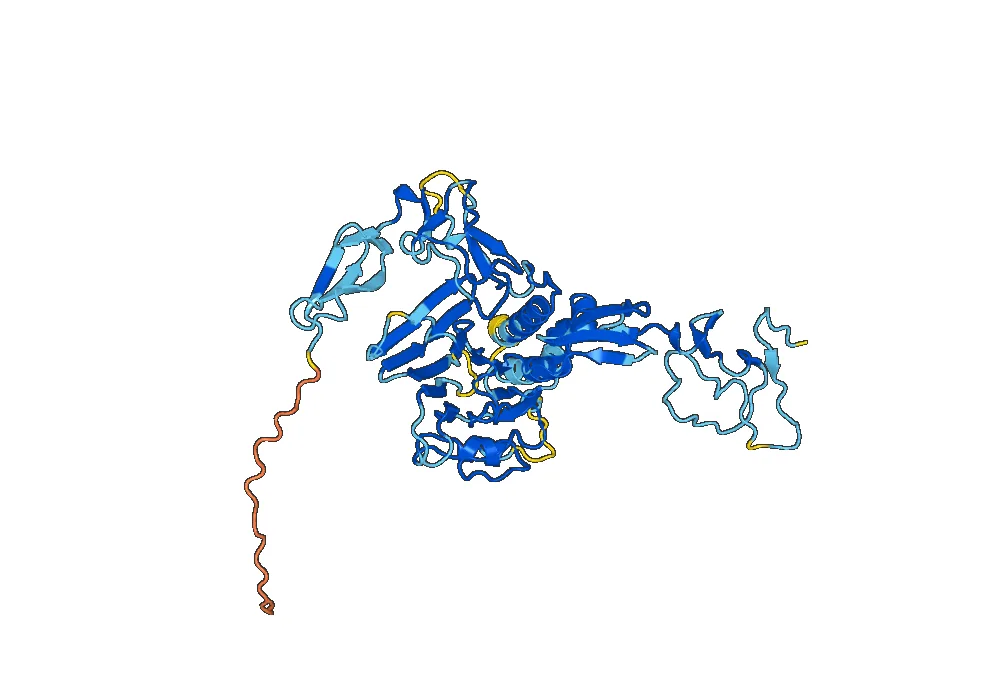
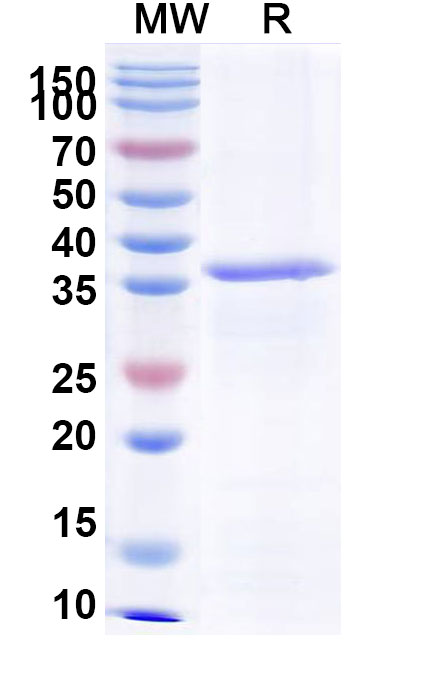
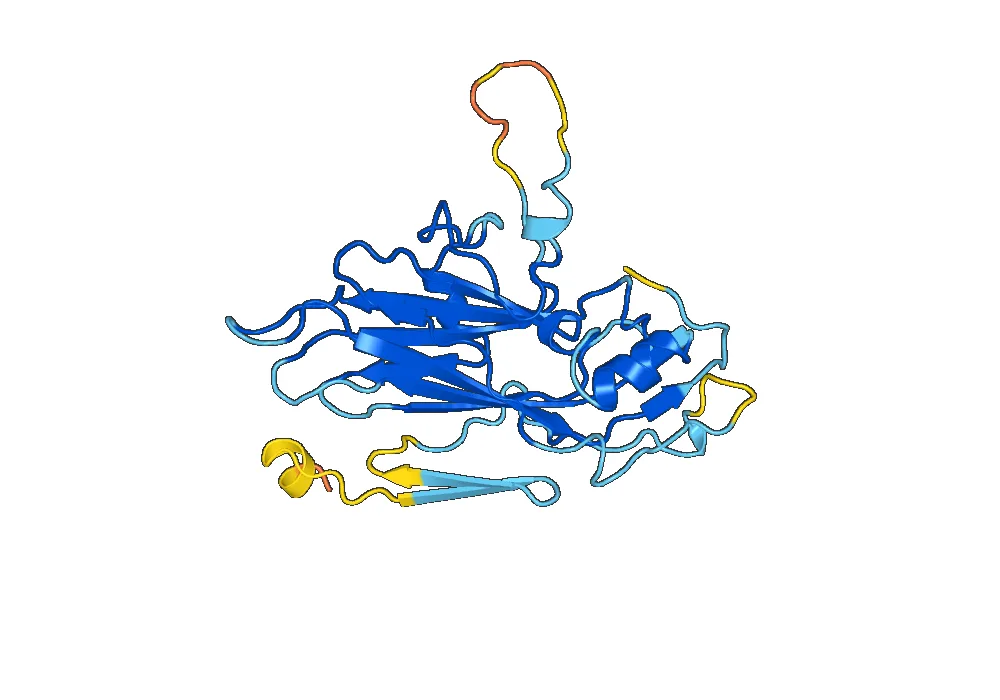
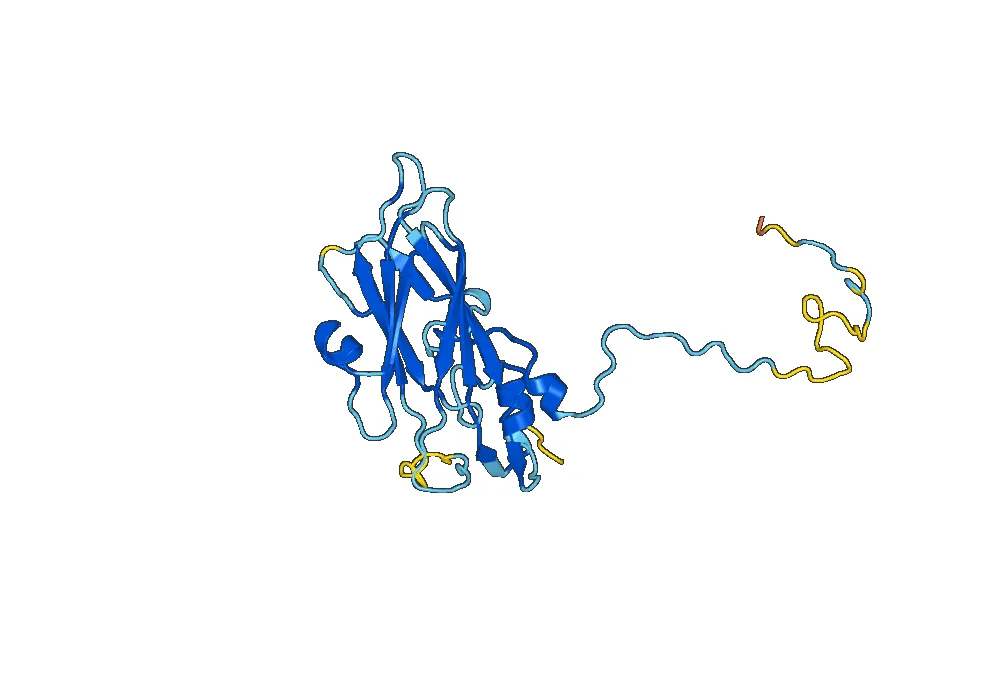
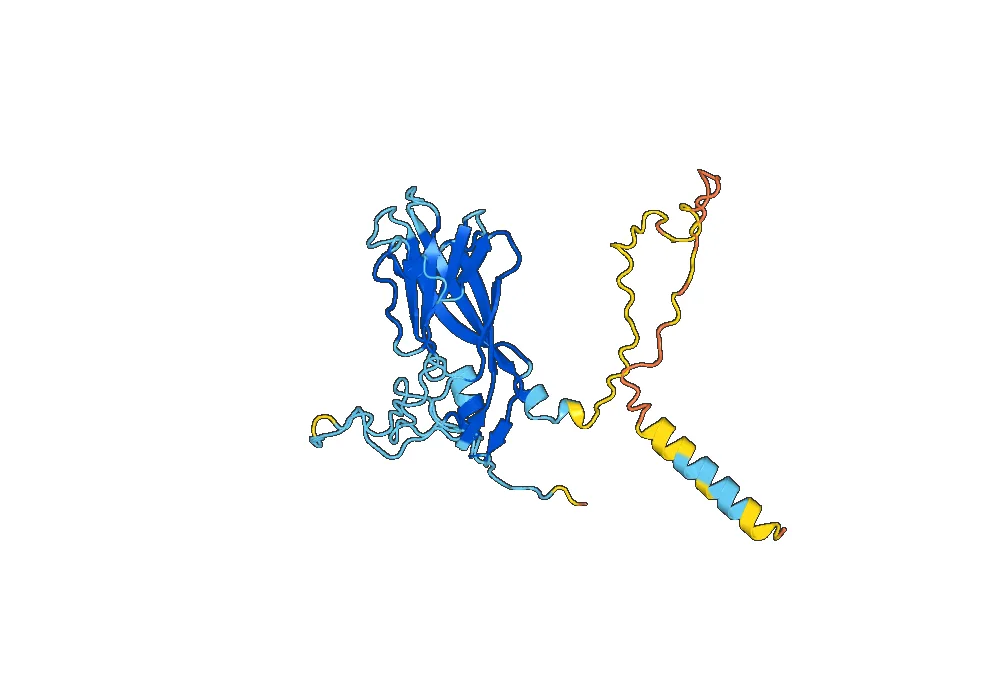
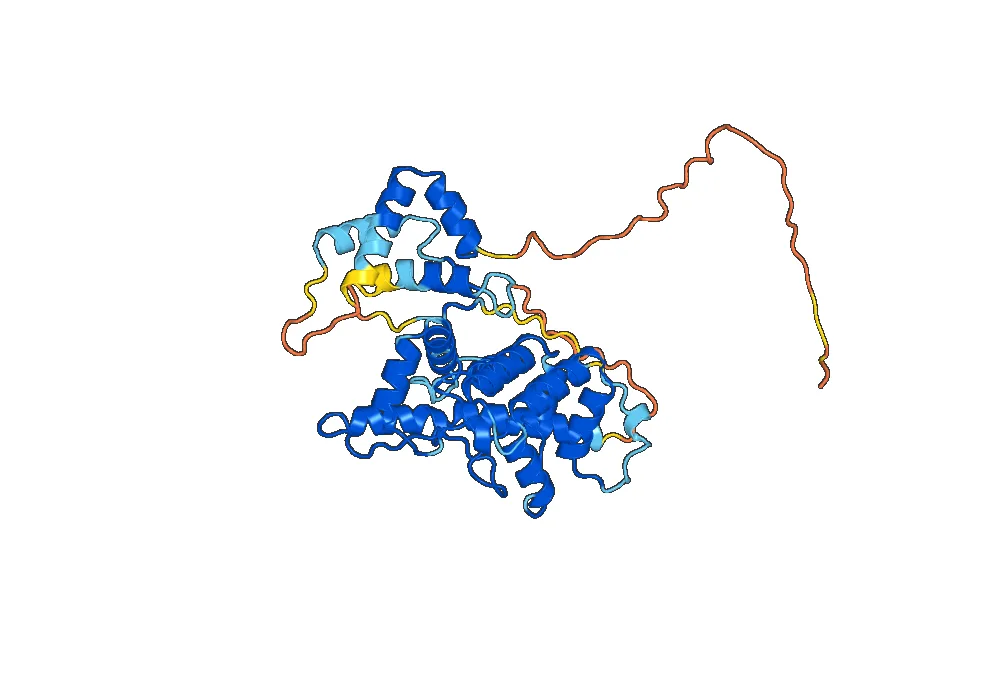
Recombinant Human LGALS9B is a 36 kDa protein that consists of 323 amino acids. It has a unique structure, with two distinct domains connected by a linker region. The N-terminal domain contains a carbohydrate recognition domain (CRD), which is responsible for binding to specific carbohydrates. The C-terminal domain is a non-lectin domain that has been shown to have immunomodulatory activity.
Recombinant Human LGALS9B is produced using recombinant DNA technology, where the LGALS9B gene is inserted into a suitable expression system, such as bacteria or mammalian cells. This allows for the production of large quantities of pure and biologically active protein.
Activity of Recombinant Human LGALS9B
Recombinant Human LGALS9B has been shown to have multiple activities, making it a versatile protein with potential therapeutic applications. Its main function is to bind to specific carbohydrates, such as N-acetyllactosamine and sialic acid, on the surface of cells. This binding can lead to various downstream effects, depending on the cell type and context.
One of the major activities of Recombinant Human LGALS9B is its role in regulating the immune system. It has been shown to induce cell death in activated T cells, making it a potential immunosuppressive agent. It has also been shown to promote the differentiation of regulatory T cells, which play a crucial role in maintaining immune homeostasis. Additionally, Recombinant Human LGALS9B has been shown to inhibit the production of pro-inflammatory cytokines, making it a potential anti-inflammatory agent.
Another important activity of Recombinant Human LGALS9B is its role in cancer. It has been shown to induce cell death in various cancer cell lines and inhibit tumor growth in animal models. This is thought to be due to its ability to bind to specific carbohydrates on the surface of cancer cells, leading to cell death. Recombinant Human LGALS9B has also been shown to have anti-angiogenic properties, meaning it can inhibit the formation of new blood vessels that are crucial for tumor growth.
Application of Recombinant Human LGALS9B
Recombinant Human LGALS9B has various potential applications in the fields of immunology, cancer therapy, and infectious diseases. Its ability to regulate the immune system makes it a promising candidate for the treatment of autoimmune diseases, such as rheumatoid arthritis and multiple sclerosis. It also has potential applications in organ transplantation, where it could be used to prevent organ rejection.
In the field of cancer therapy, Recombinant Human LGALS9B has shown promising results in pre-clinical studies. It could potentially be used as a standalone treatment or in combination with other therapies to target specific types of cancer. Its anti-angiogenic properties also make it a potential therapy for diseases where abnormal blood vessel growth is a major factor, such as diabetic retinopathy and age-related macular degeneration.
In infectious diseases, Recombinant Human LGALS9B has been shown to have antiviral activity against various viruses, including HIV, influenza, and dengue virus. It has also been shown to inhibit the replication of hepatitis B virus. This makes it a potential therapeutic agent for the treatment of viral infections.
<h2


There are no reviews yet.