Introduction
Recombinant Human LSS (lanosterol synthase) is a protein that plays a crucial role in the biosynthesis of cholesterol. It is a key enzyme in the mevalonate pathway, which is responsible for the production of cholesterol, a vital component of cell membranes and a precursor for steroid hormones. Recombinant Human LSS is a recombinant form of the LSS protein, produced through genetic engineering techniques. In this article, we will explore the structure, activity, and application of Recombinant Human LSS.
Structure of Recombinant Human LSS
The LSS gene, located on chromosome 21 in humans, encodes for the LSS protein. The recombinant form of this protein is produced by inserting the LSS gene into a suitable expression vector and then expressing it in a host organism, such as bacteria or yeast.
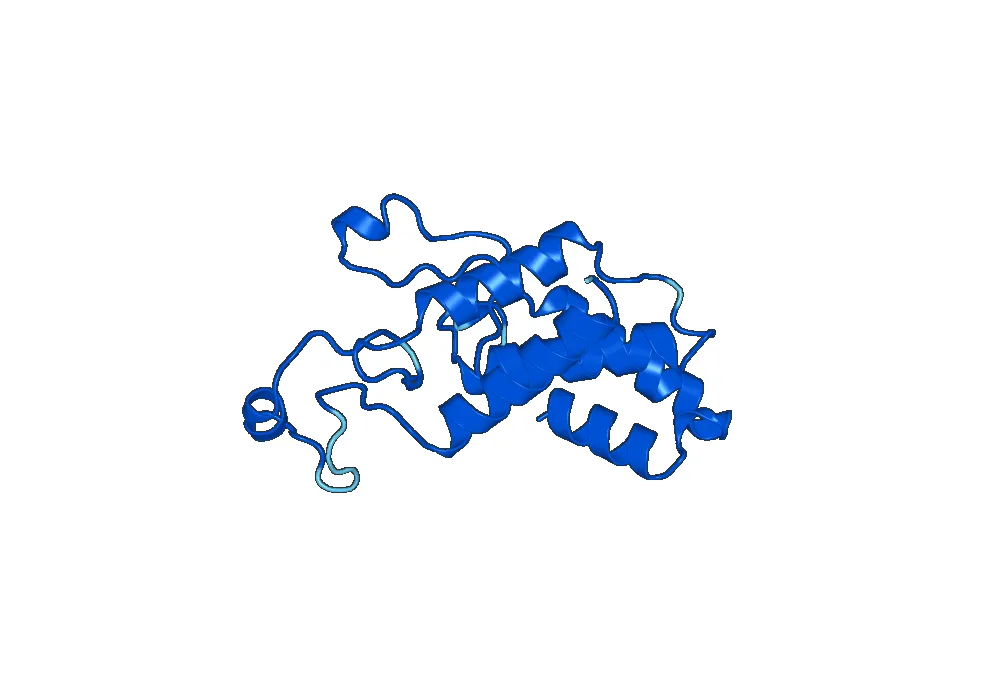
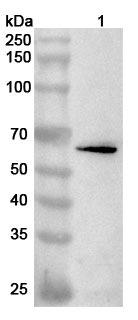
The recombinant protein consists of 715 amino acids and has a molecular weight of approximately 80 kDa. It has a similar structure to the native LSS protein, with the presence of two highly conserved domains, the N-terminal domain and the C-terminal domain. These domains are essential for the enzyme’s catalytic activity.
Activity of Recombinant Human LSS
Recombinant Human LSS is a membrane-bound enzyme that catalyzes the conversion of 2,3-oxidosqualene to lanosterol, the first sterol in the cholesterol biosynthesis pathway. This reaction involves a series of complex steps, including the formation of several intermediates, and is regulated by various factors, such as enzyme concentration and substrate availability.
The activity of Recombinant Human LSS is dependent on the presence of cofactors, such as NADPH and FAD, which are required for the proper functioning of the enzyme. It also requires the presence of oxygen, as it is an oxygen-dependent enzyme.
Application of Recombinant Human LSS
Recombinant Human LSS has various applications in the field of biotechnology and medicine. One of its primary uses is in the production of cholesterol-lowering drugs, such as statins. These drugs inhibit the activity of HMG-CoA reductase, an enzyme involved in the mevalonate pathway, and ultimately decrease cholesterol levels in the body. Recombinant Human LSS is used to produce large quantities of the LSS protein, which is then used in the development of these drugs.
Another application of Recombinant Human LSS is in the production of cholesterol-rich liposomes, which are used as delivery vehicles for various drugs. The LSS protein is incorporated into the liposome membrane, allowing for the efficient transport of cholesterol into cells.
Furthermore, Recombinant Human LSS has been studied for its potential role in the treatment of certain diseases, such as cancer. It has been found that LSS plays a crucial role in the proliferation of cancer cells, and inhibiting its activity may lead to the suppression of tumor growth.
Conclusion
In summary, Recombinant Human LSS is a crucial enzyme in the biosynthesis of cholesterol and has various applications in the field of biotechnology and medicine. Its structure, activity, and application have been extensively studied, and it continues to be a subject of interest for researchers. With further advancements in genetic engineering and protein production techniques, Recombinant Human LSS has the potential to contribute to the development of novel therapeutics and treatments for various diseases.

There are no reviews yet.