Introduction to Recombinant Human MPZL2 Protein
Recombinant Human MPZL2 Protein, also known as Myelin Protein Zero-Like 2, is a highly conserved transmembrane protein that plays a crucial role in cell adhesion and signaling. This protein is encoded by the MPZL2 gene and is expressed in various tissues, including the brain, heart, and skin.
Structure of Recombinant Human MPZL2 Protein
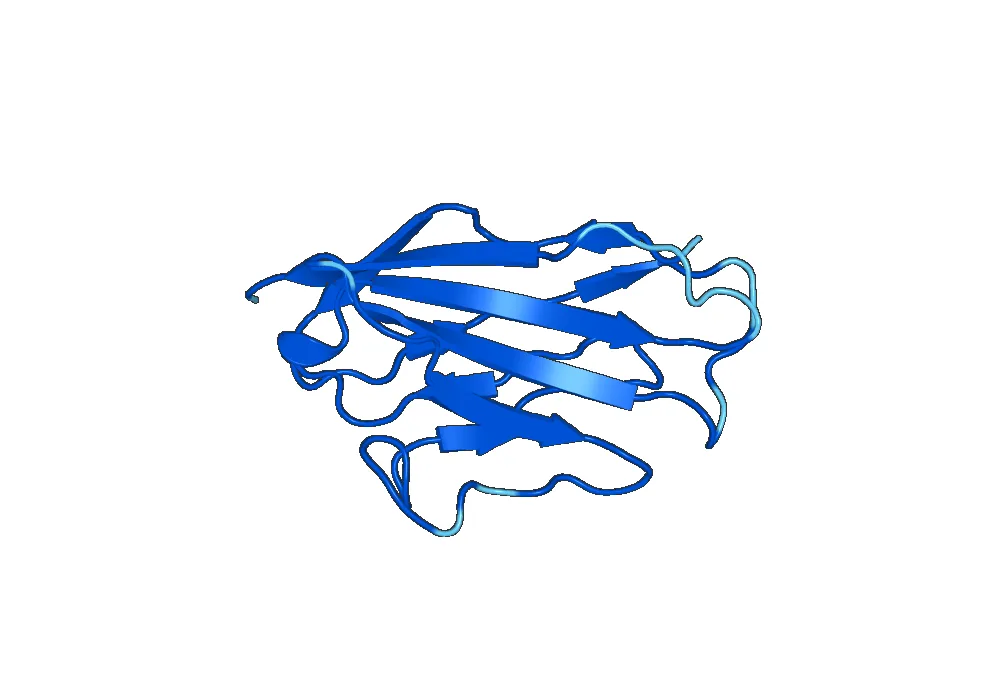
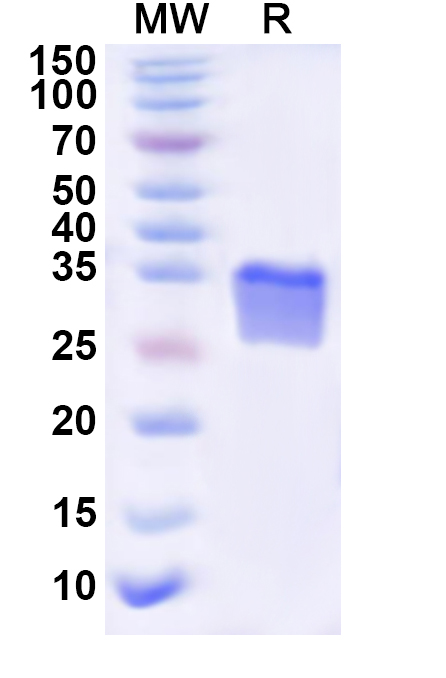
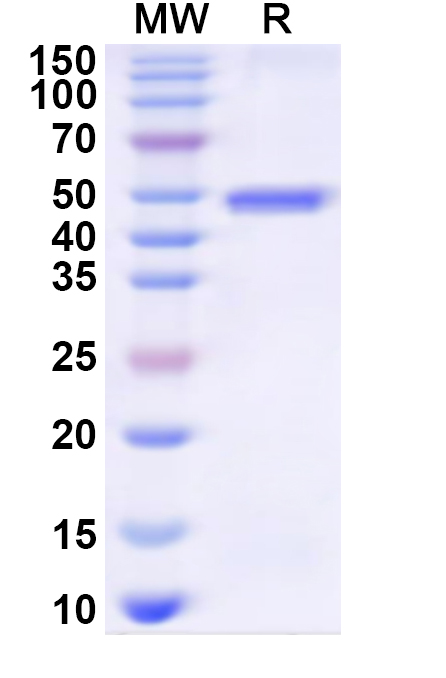
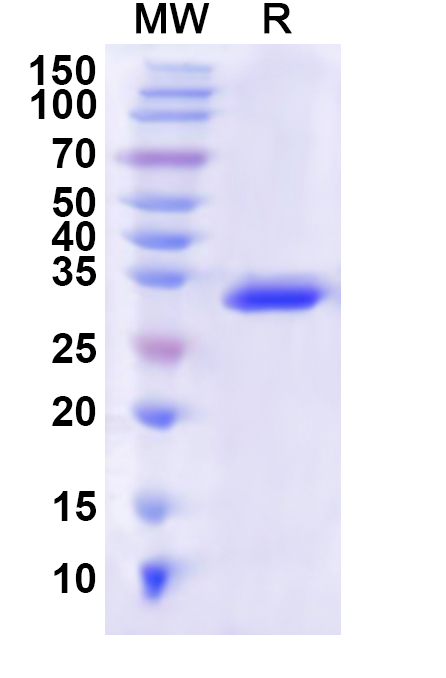
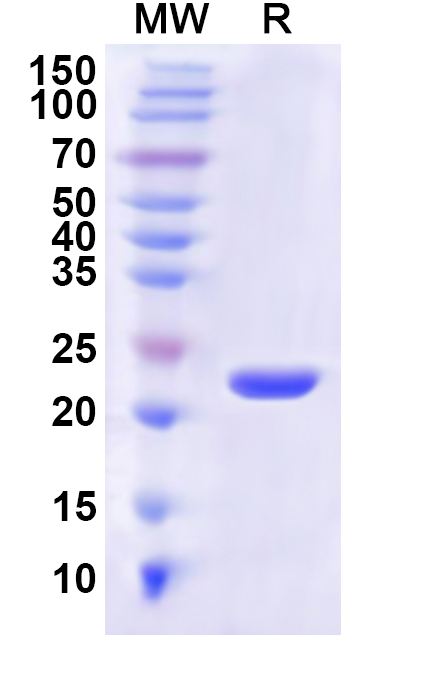
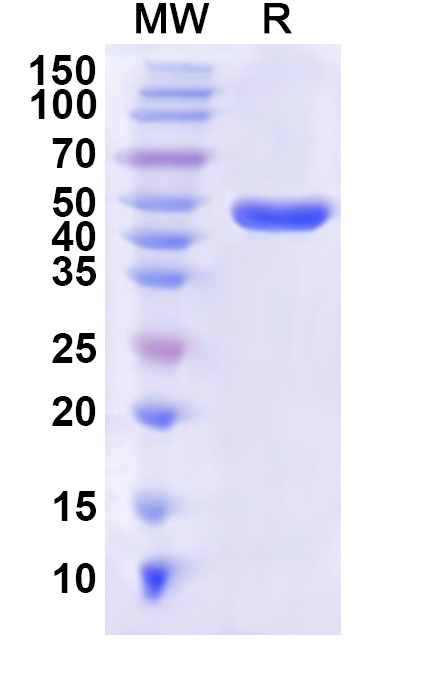
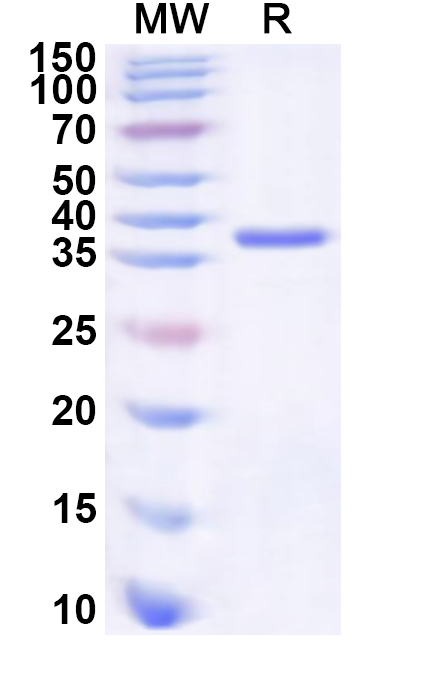
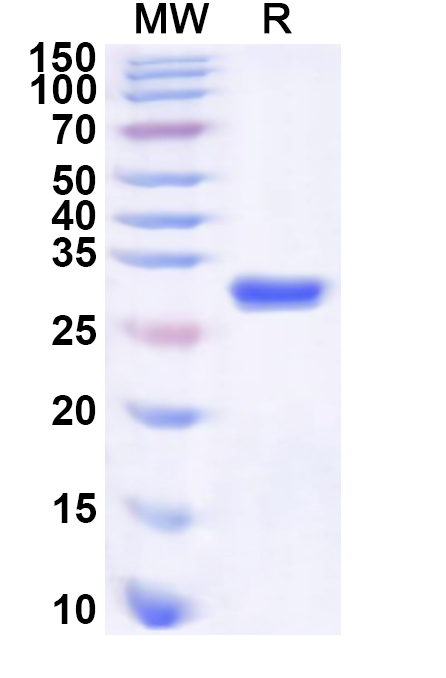
Recombinant Human MPZL2 Protein is a type I transmembrane protein that consists of 330 amino acids. It has a molecular weight of approximately 37 kDa and contains a single transmembrane domain and a cytoplasmic tail. The extracellular region of MPZL2 contains two immunoglobulin-like domains, which are important for protein-protein interactions. The cytoplasmic tail contains a conserved tyrosine residue that is involved in signaling pathways.
Activity of Recombinant Human MPZL2 Protein
Recombinant Human MPZL2 Protein is primarily involved in cell adhesion and migration. It is expressed on the surface of various cell types, including neurons, immune cells, and epithelial cells, where it interacts with other cell surface proteins to mediate cell-cell and cell-matrix interactions. MPZL2 has been shown to promote cell adhesion by binding to integrins and other adhesion molecules, such as CD44 and CD151.
In addition to its role in cell adhesion, MPZL2 also plays a role in cell signaling. The cytoplasmic tail of MPZL2 contains a conserved tyrosine residue that can be phosphorylated, leading to the activation of downstream signaling pathways. This includes the activation of the PI3K-Akt and MAPK-ERK pathways, which are involved in cell survival and proliferation.
Application of Recombinant Human MPZL2 Protein
Recombinant Human MPZL2 Protein has a wide range of applications in both research and clinical settings. One major application is in the study of cell adhesion and migration. The recombinant protein can be used to investigate the role of MPZL2 in these processes, as well as to identify potential binding partners and signaling pathways.
MPZL2 has also been implicated in various diseases, including cancer, autoimmune disorders, and neurological disorders. Therefore, the recombinant protein can be used to study the role of MPZL2 in these diseases and potentially develop new therapeutic strategies targeting this protein.
Furthermore, recombinant MPZL2 protein has potential diagnostic and prognostic applications. In cancer, MPZL2 has been shown to be overexpressed in certain types of tumors, and its expression levels have been correlated with disease progression and patient survival. Therefore, measuring MPZL2 levels in patient samples could potentially be used as a biomarker for cancer diagnosis and prognosis.
Antigenic Properties of Recombinant Human MPZL2 Protein
Recombinant Human MPZL2 Protein is a potential antigen that can be used in immunological studies. The extracellular region of MPZL2 contains two immunoglobulin-like domains, which can serve as targets for antibodies. This recombinant protein can be used to generate specific antibodies for the detection and quantification of MPZL2 in various tissues and cell types.
Moreover, MPZL2 has been identified as a potential target for cancer immunotherapy. Its overexpression in certain types of tumors makes it a promising candidate for targeted therapy using monoclonal antibodies or chimeric antigen receptor

There are no reviews yet.