Introduction
Recombinant Human MRPL58 Protein, also known as Mitochondrial Ribosomal Protein L58, is a protein that is encoded by the MRPL58 gene. This protein is a component of the mitochondrial ribosome, which is responsible for protein synthesis within the mitochondria. Recombinant Human MRPL58 Protein is produced through genetic engineering techniques, making it a highly pure and specific protein that is widely used in various research and medical applications.
Structure of Recombinant Human MRPL58 Protein
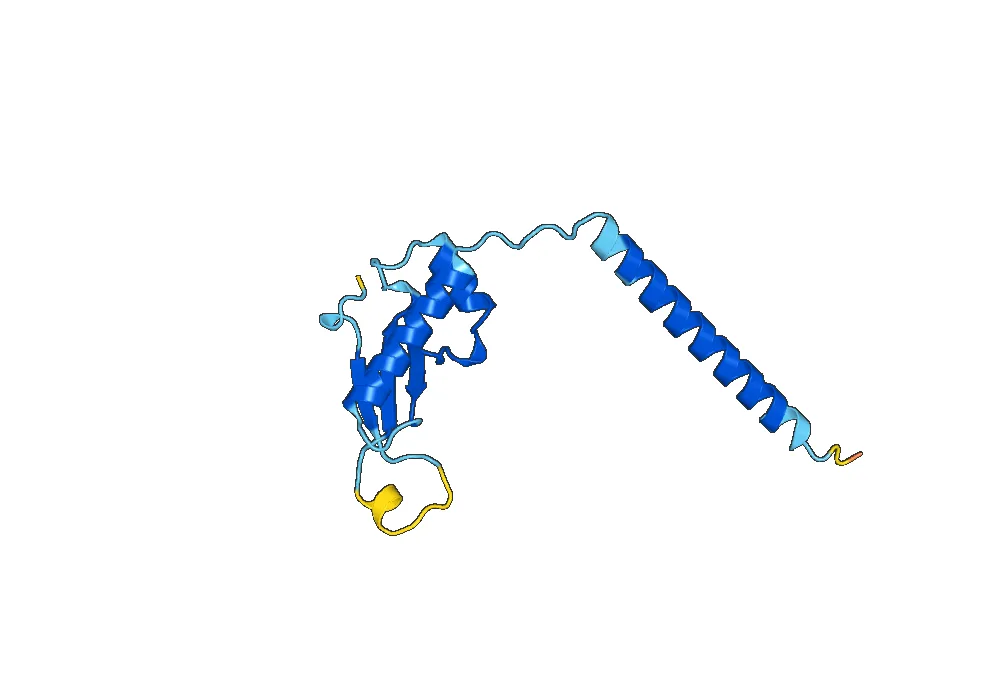
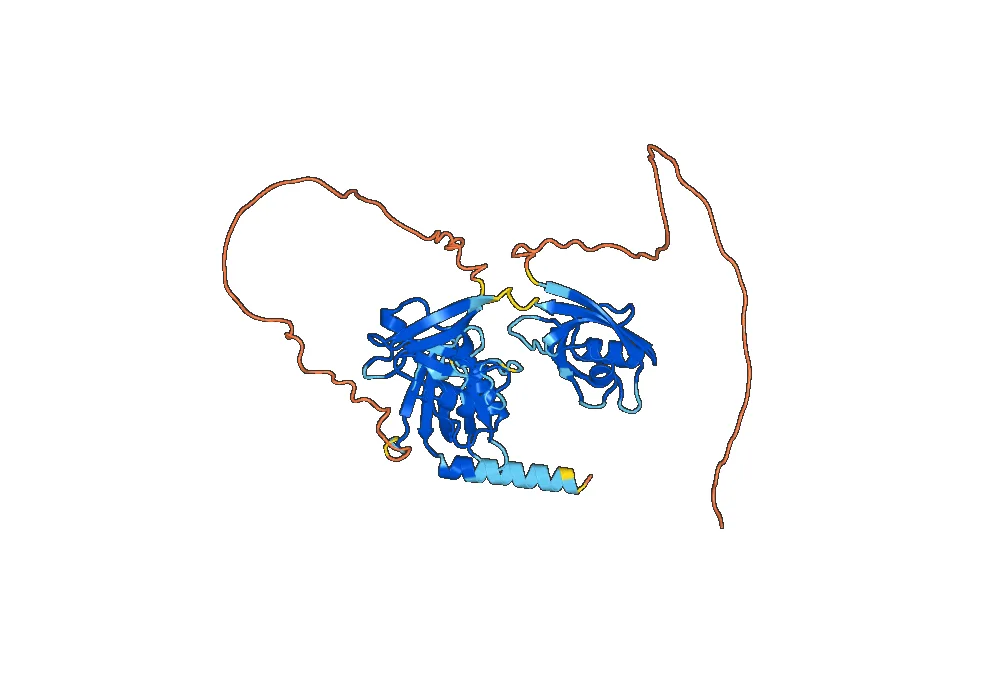
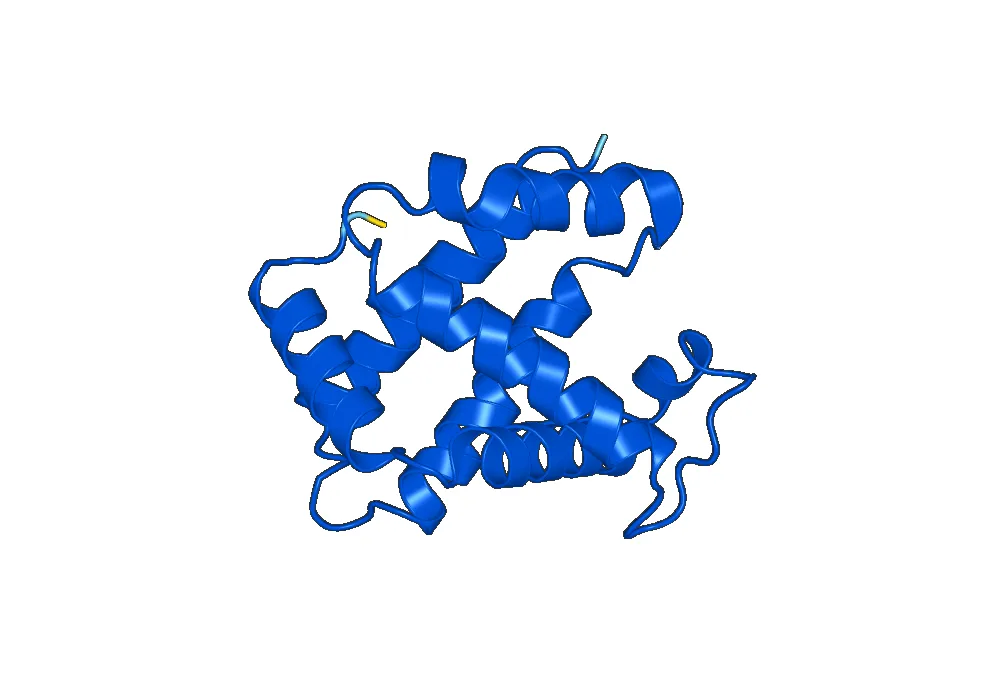
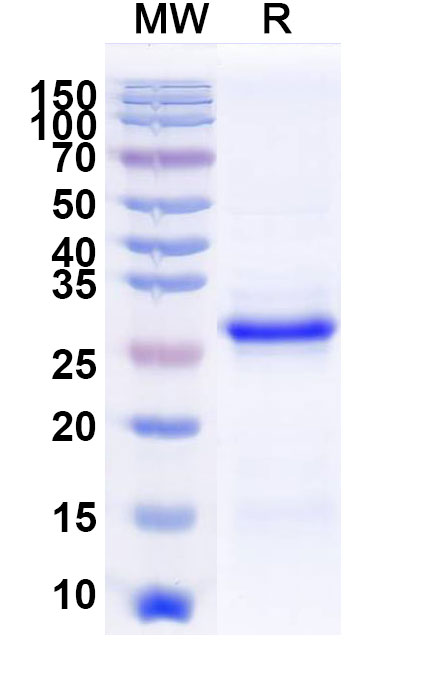
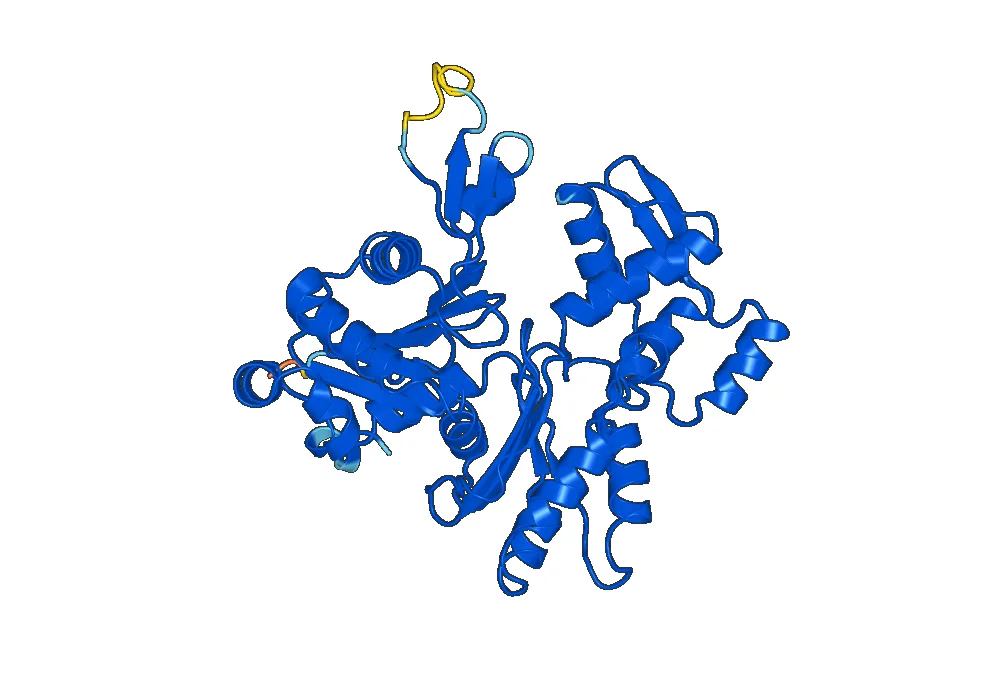
Recombinant Human MRPL58 Protein is composed of 97 amino acids and has a molecular weight of approximately 11 kDa. It is a highly conserved protein, with a sequence similarity of 98% among different species. The protein has a unique three-dimensional structure, with a central beta-sheet surrounded by alpha-helices. This structure is essential for the protein’s function in the mitochondrial ribosome.
Activity of Recombinant Human MRPL58 Protein
As a component of the mitochondrial ribosome, Recombinant Human MRPL58 Protein plays a crucial role in protein synthesis within the mitochondria. It is involved in the assembly and stabilization of the ribosome, as well as in the translation of mitochondrial DNA into functional proteins. The protein also interacts with other ribosomal proteins, contributing to the overall efficiency and accuracy of protein synthesis.
Application of Recombinant Human MRPL58 Protein
Recombinant Human MRPL58 Protein has a wide range of applications in both research and medical fields. Some of the key applications of this protein are:
1. Study of Mitochondrial Protein Synthesis
Recombinant Human MRPL58 Protein is an essential tool for studying the process of protein synthesis within the mitochondria. Its highly pure and specific nature allows researchers to investigate the role of this protein in the assembly and function of the mitochondrial ribosome. This, in turn, provides insights into the molecular mechanisms of mitochondrial protein synthesis and its regulation.
2. Diagnostic Marker for Mitochondrial Disorders
Mutations in the MRPL58 gene have been linked to various mitochondrial disorders, such as Leigh syndrome and mitochondrial encephalopathy. Recombinant Human MRPL58 Protein can be used as a diagnostic marker for these disorders, as it can detect the presence of mutated MRPL58 protein in patient samples. This information can aid in the early diagnosis and treatment of these diseases.
3. Therapeutic Target for Mitochondrial Diseases
Recombinant Human MRPL58 Protein has also been identified as a potential therapeutic target for mitochondrial diseases. By understanding the role of this protein in mitochondrial protein synthesis, researchers can develop targeted therapies that can improve the function of the mitochondrial ribosome and alleviate the symptoms of these disorders.
4. Vaccine Development
Recombinant Human MRPL58 Protein has been used as an antigen in vaccine development. As a highly conserved protein, it can elicit a strong immune response and has been shown to provide protection against certain bacterial and viral infections. This makes it a promising candidate for the development of new vaccines.
5. Protein Production
Recombinant Human MRPL58 Protein is also used in the production of other proteins. Its role in the assembly and stabilization of the mitochondrial ribosome makes it an essential component for efficient protein synthesis within the mitochondria. This protein can be used in the production of recombinant proteins for research, diagnostic, and therapeutic purposes.
Conclusion
In conclusion, Recombinant Human MRPL58 Protein is a crucial component of the mitochondrial ribosome, with a unique structure and essential functions in protein synthesis. Its applications in research and medical fields make it a valuable tool for understanding mitochondrial disorders and developing new treatments. The use of this protein will continue to advance our knowledge and contribute to the development of new therapies for various diseases.

There are no reviews yet.