Introduction
Recombinant proteins are proteins that are produced through genetic engineering techniques, allowing for the production of large quantities of specific proteins. One such protein is the Recombinant Human MRPS27 Protein, which has gained attention in the scientific community due to its unique structure, diverse activity, and potential applications in various fields. In this article, we will explore the structure, activity, and application of this protein in detail.
Structure of Recombinant Human MRPS27 Protein
The Recombinant Human MRPS27 Protein is a 27-kDa protein that is encoded by the MRPS27 gene located on chromosome 17 in humans. It belongs to the ribosomal protein S27 (RPS27) family and is a component of the small subunit of the mitochondrial ribosome. The protein is composed of 243 amino acids and has a conserved ribosomal protein S27 domain. It also contains a mitochondrial targeting sequence that directs the protein to the mitochondria.
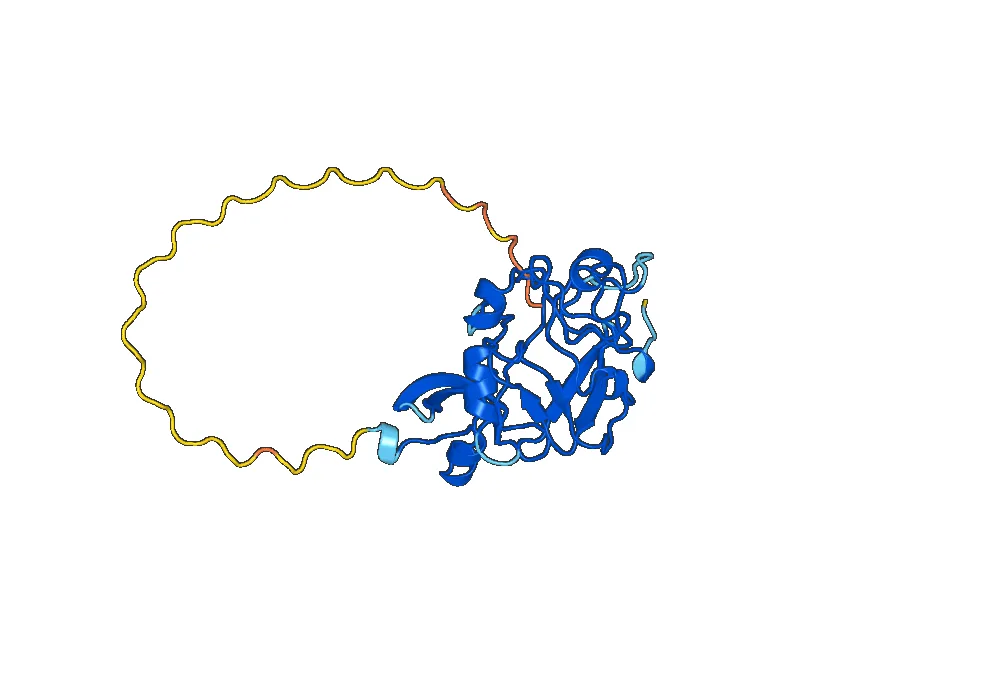
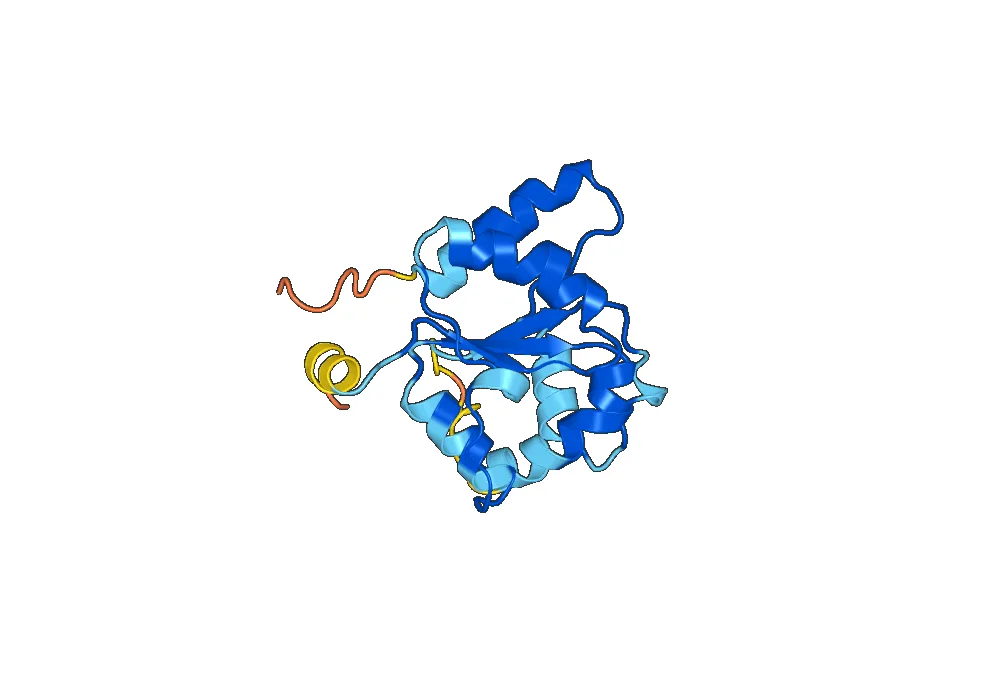
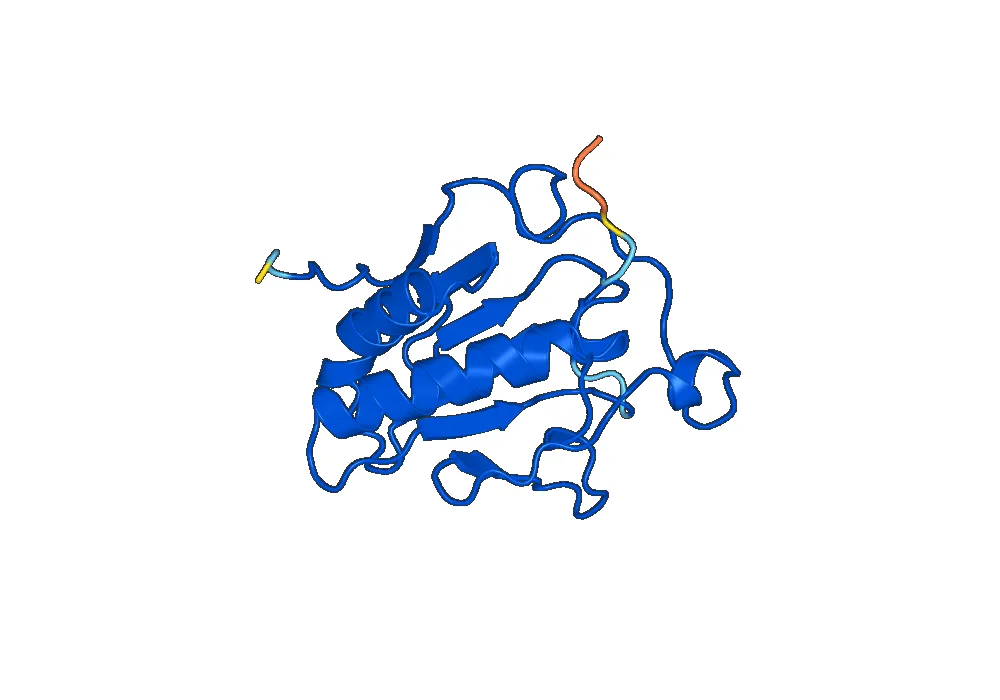
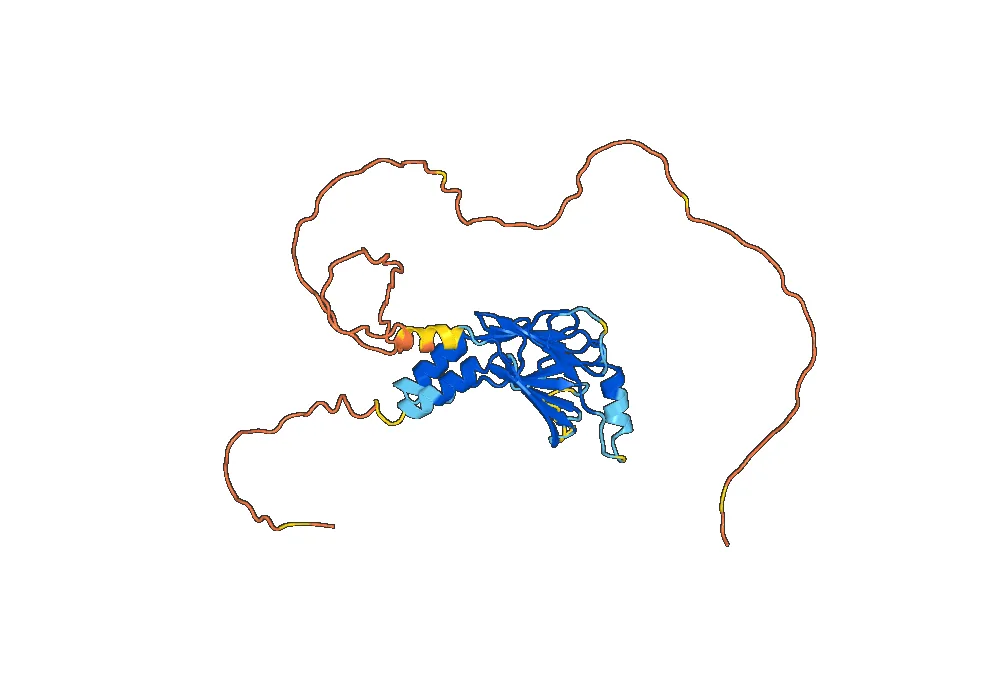
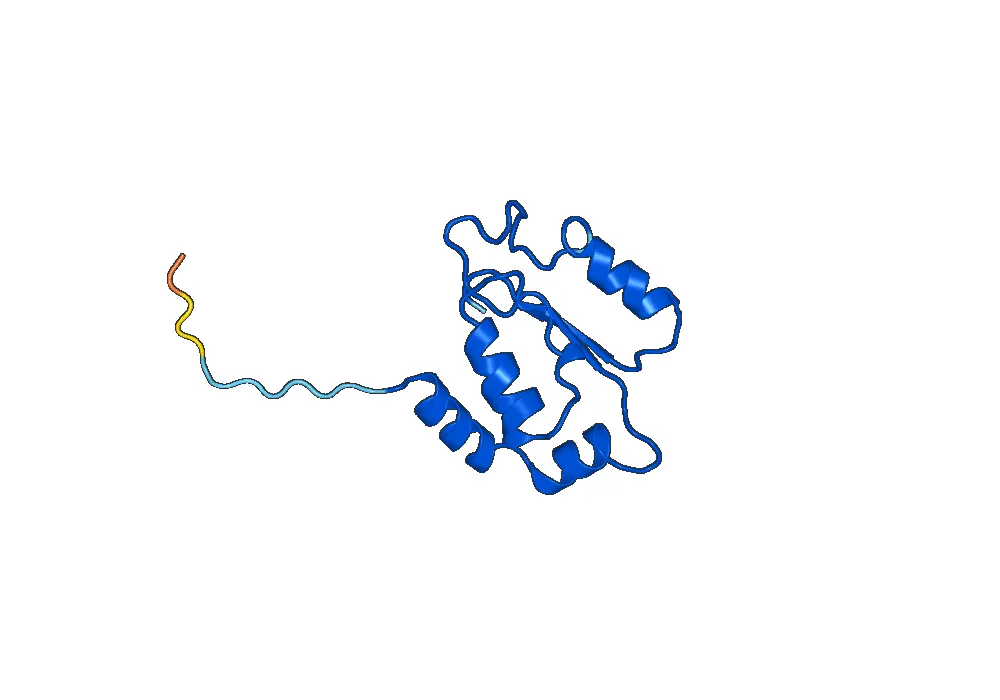
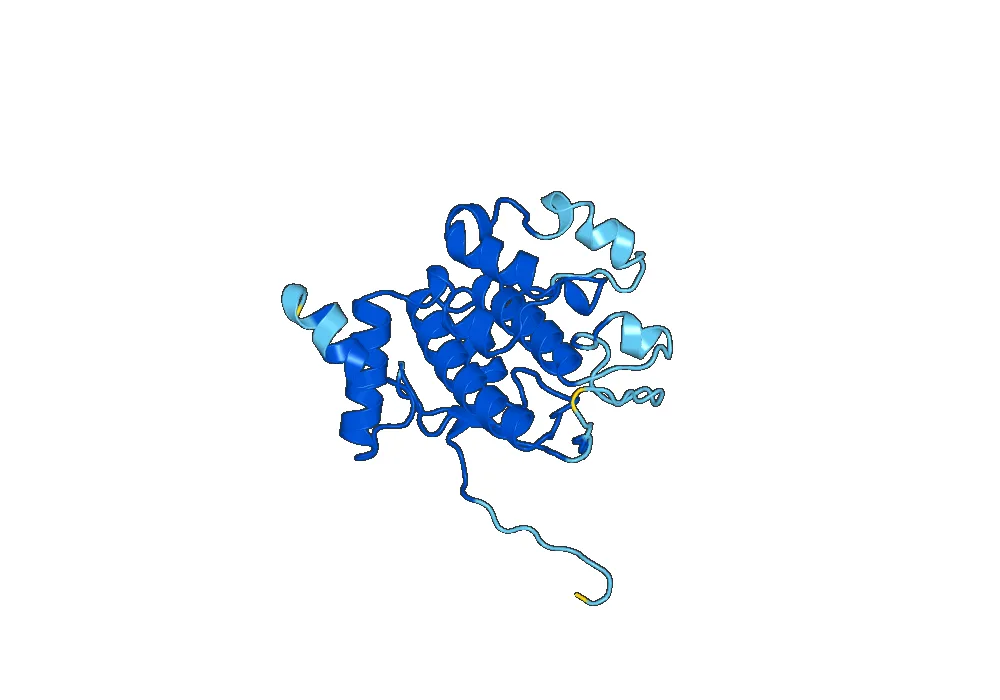
The crystal structure of Recombinant Human MRPS27 Protein has been determined, revealing a unique three-domain structure. The N-terminal domain is responsible for protein-protein interactions and is involved in the assembly of the mitochondrial ribosome. The central domain contains a conserved ribosomal protein S27 domain and is responsible for binding to the 12S ribosomal RNA. The C-terminal domain is highly flexible and is involved in the interaction with other ribosomal proteins.
Activity of Recombinant Human MRPS27 Protein
The main function of Recombinant Human MRPS27 Protein is to participate in the translation process in the mitochondria. It plays a crucial role in the assembly and stability of the mitochondrial ribosome, which is responsible for the synthesis of proteins that are essential for cellular respiration and energy production. The protein also has a role in the regulation of mitochondrial gene expression and is involved in the translation of specific mitochondrial mRNAs.
Recent studies have also shown that Recombinant Human MRPS27 Protein has additional activities beyond its role in protein synthesis. It has been found to interact with other proteins involved in mitochondrial function and has been linked to the regulation of mitochondrial dynamics and apoptosis. Additionally, it has been reported to have a role in the regulation of cellular metabolism and aging.
Application of Recombinant Human MRPS27 Protein
The unique structure and diverse activity of Recombinant Human MRPS27 Protein make it a promising candidate for various applications in the fields of medicine and biotechnology. One potential application is in the treatment of mitochondrial disorders, as mutations in the MRPS27 gene have been linked to mitochondrial diseases. The use of Recombinant Human MRPS27 Protein could potentially restore proper mitochondrial function and alleviate symptoms of these disorders.
Furthermore, the protein’s involvement in cellular metabolism and aging makes it a potential target for anti-aging therapies. It has been suggested that modulating the activity of Recombinant Human MRPS27 Protein could have a positive impact on cellular aging and age-related diseases. Additionally, the protein’s role in mitochondrial dynamics and apoptosis opens up possibilities for its use in cancer research and therapy.
Conclusion
In summary, Recombinant Human MRPS27 Protein is a unique and versatile protein with a crucial role in mitochondrial function. Its structure, activity, and potential applications make it a promising candidate for further research and development. As our understanding of this protein continues to grow, it may pave the way for new treatments and therapies for various diseases and conditions.

There are no reviews yet.