Introduction
Recombinant human MSH2 protein, also known as MutS protein homolog 2, is a key component of the DNA mismatch repair (MMR) pathway. This protein plays a crucial role in maintaining the stability of the genome by recognizing and repairing errors that occur during DNA replication. Mutations in the MSH2 gene have been linked to various cancers, making this protein an important target for research and potential therapeutic interventions.
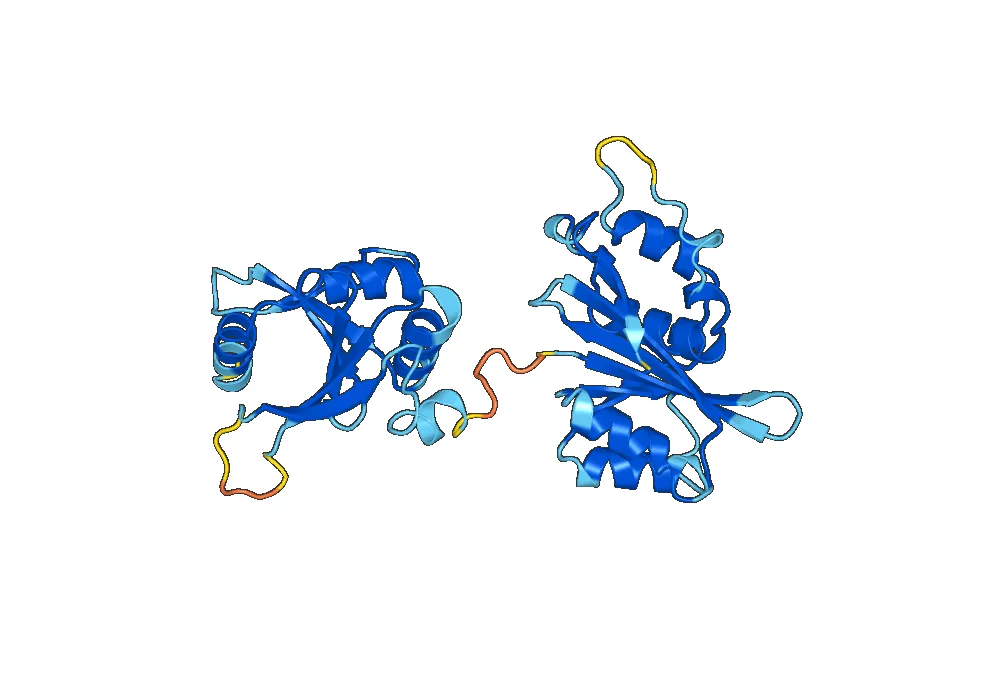
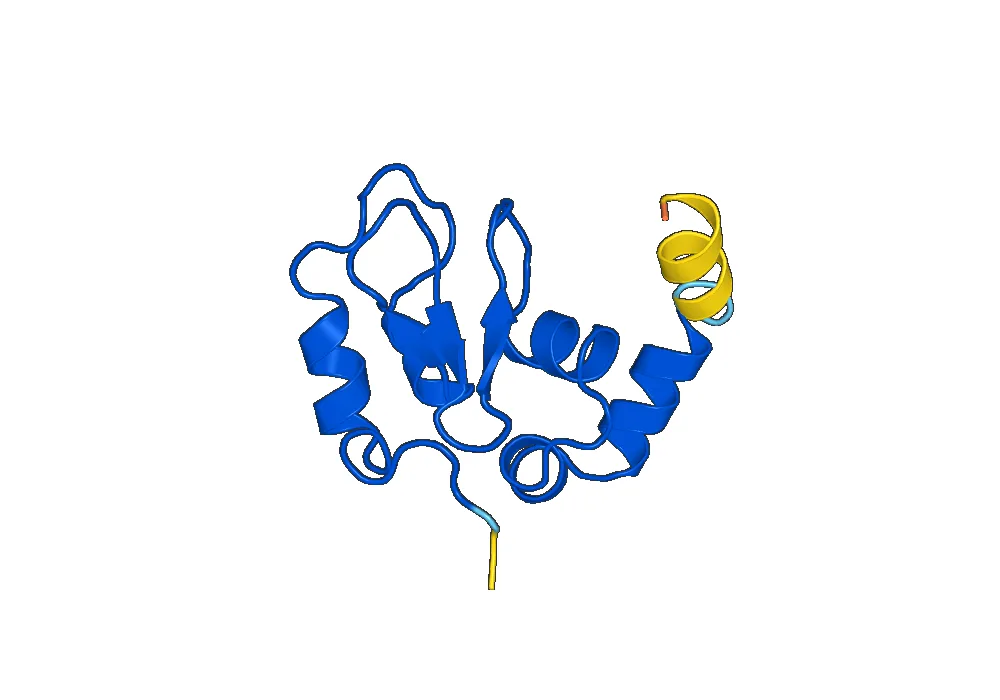
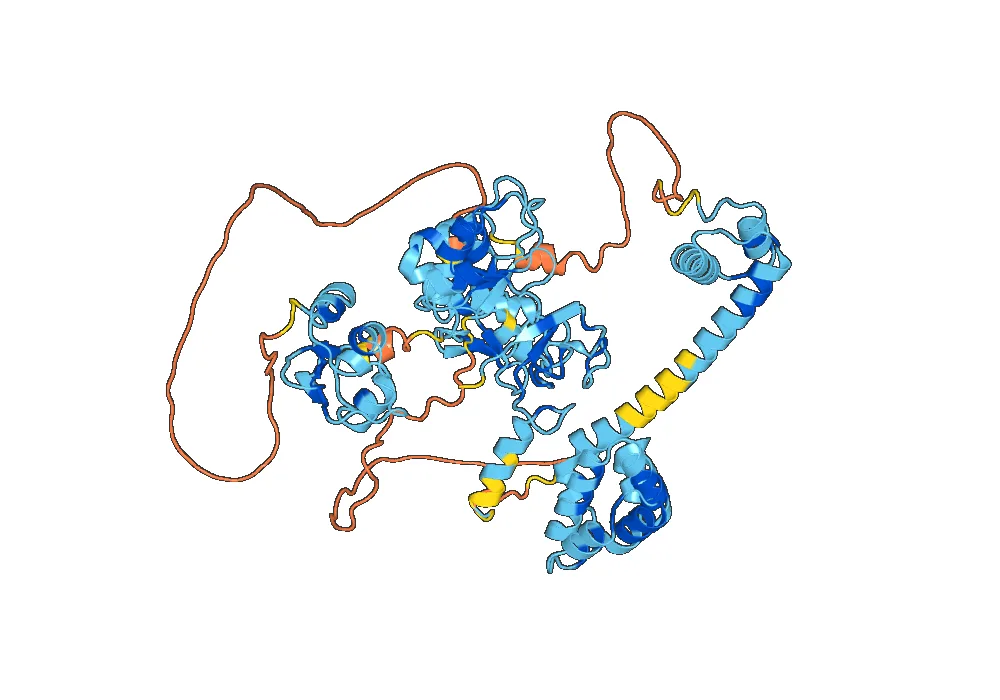
Structure of Recombinant Human MSH2 Protein
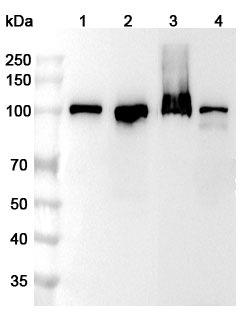
The MSH2 gene is located on chromosome 2 and encodes for a protein of 934 amino acids. The recombinant form of this protein is produced in a laboratory using genetic engineering techniques. The resulting protein has a molecular weight of approximately 104 kDa and is composed of several functional domains.
The N-terminal domain of MSH2 is responsible for DNA binding and contains a highly conserved region known as the MutS homology domain. This domain is essential for the recognition of DNA mismatches and is also involved in protein-protein interactions with other MMR proteins.
The central region of MSH2 contains a large number of repetitive sequences, which are thought to play a role in the flexibility and stability of the protein. This region also contains a nuclear localization signal, allowing the protein to be transported into the cell nucleus where it carries out its functions.
The C-terminal domain of MSH2 is involved in the interaction with other MMR proteins, such as MSH6 and MLH1, to form a functional heterodimer. This domain also contains a site for ATP binding, which is necessary for the catalytic activity of the protein.
Activity of Recombinant Human MSH2 Protein
The main function of MSH2 protein is to recognize and repair mismatches that occur during DNA replication. Mismatches can arise due to errors in DNA replication or as a result of exposure to environmental factors such as UV radiation or chemical mutagens. MSH2 forms a heterodimer with MSH6, which together act as a molecular sensor to identify and bind to these mismatches.
Once bound, MSH2-MSH6 recruits other MMR proteins, including MLH1, to form a larger complex that initiates the repair process. This involves the removal of the incorrect base and the insertion of the correct one, effectively restoring the integrity of the DNA sequence.
In addition to its role in DNA repair, MSH2 has also been implicated in other cellular processes such as cell cycle regulation, apoptosis, and meiotic recombination. These functions are thought to be mediated through interactions with other proteins and may contribute to the tumor suppressor activity of MSH2.
Application of Recombinant Human MSH2 Protein
The recombinant form of MSH2 protein has a wide range of applications in both research and medicine. One of the main uses of this protein is in the study of DNA mismatch repair and its role in cancer development. Mutations in the MSH2 gene have been linked to hereditary non-polyposis colorectal cancer (HNPCC) and other types of cancers, making MSH2 an important biomarker for cancer risk assessment.
Recombinant MSH2 protein is also used in biochemical and structural studies to better understand the mechanisms of DNA repair and the interactions between MMR proteins. This knowledge can be applied to the development of new drugs that target MMR pathways, which may be beneficial in the treatment of certain cancers.
In addition, recombinant MSH2 protein can be used in diagnostic assays to detect mutations in the MSH2 gene and identify individuals at risk for developing cancer. This information can then be used to implement preventative measures and personalized treatment plans.
Conclusion
Recombinant human MSH2 protein is a crucial component of the DNA mismatch repair pathway, involved in maintaining the stability of the genome and preventing the development of cancer. Its structure, activity, and application make it a valuable tool for research and potential therapeutic interventions. Further studies on MSH2 and other MMR proteins

There are no reviews yet.