The Structure of Recombinant Human NDNF
Recombinant human NDNF (Neurotrophic Factor-3) is a protein that is produced through genetic engineering techniques, specifically through the use of recombinant DNA technology. It is a member of the neurotrophin family, which are a group of proteins that play important roles in the development and maintenance of the nervous system.
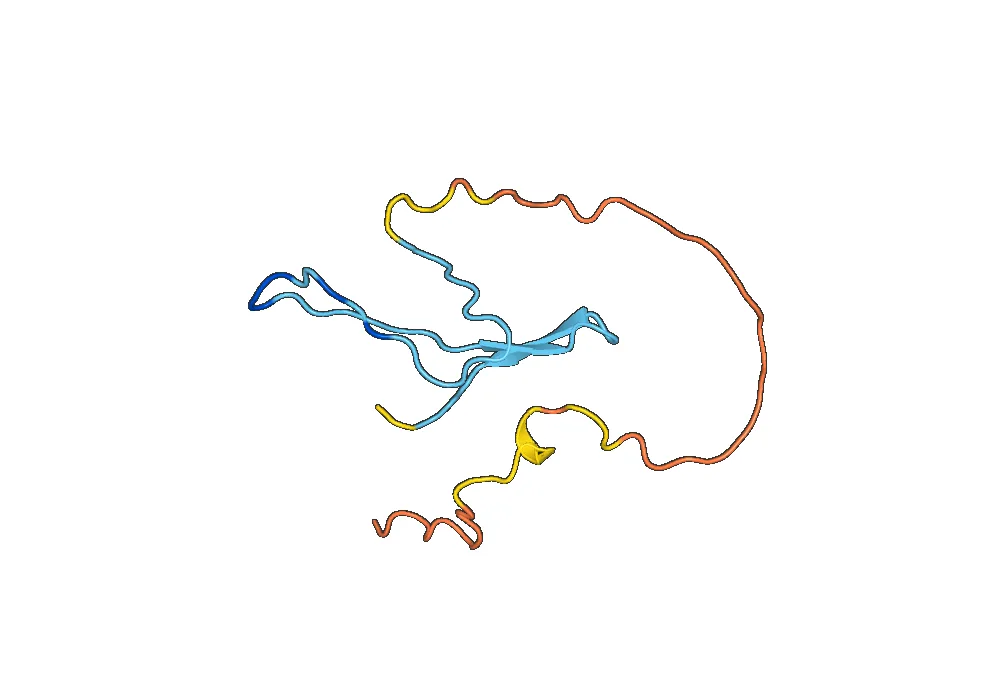
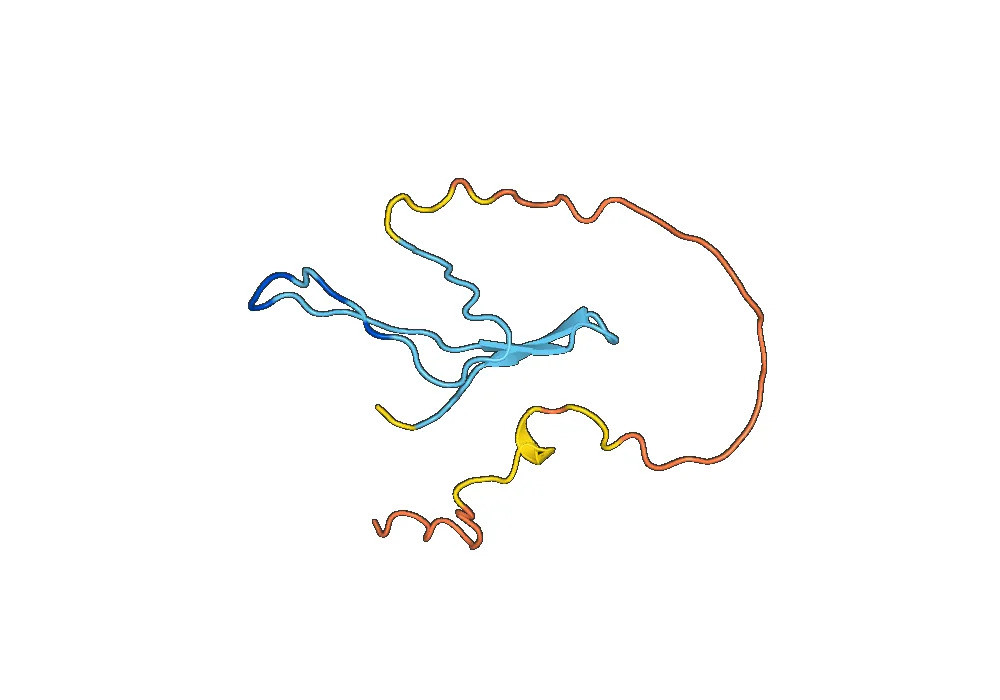
The recombinant human NDNF protein is made up of 119 amino acids and has a molecular weight of 13.5 kDa. It has a similar structure to other neurotrophins, consisting of a characteristic N-terminal region, a cysteine-rich domain, and a C-terminal region. This structure is crucial for its biological activity, as it allows the protein to interact with specific receptors and exert its effects.
The Activity of Recombinant Human NDNF
Recombinant human NDNF has been shown to have neurotrophic activity, meaning it promotes the growth and survival of nerve cells. It specifically acts on neurons in the peripheral nervous system, including sensory and motor neurons.
The activity of recombinant human NDNF is mediated through its interaction with specific receptors, namely TrkC and p75NTR. TrkC is a tyrosine kinase receptor that is responsible for the growth and survival of neurons, while p75NTR is a receptor that can either enhance or inhibit the effects of TrkC.
Studies have shown that recombinant human NDNF can promote the survival and differentiation of sensory neurons, as well as enhance the regeneration of damaged nerve cells. It has also been found to have a protective effect on motor neurons, which are responsible for muscle movement. These findings suggest that recombinant human NDNF has potential therapeutic applications for nerve injuries and neurodegenerative diseases.
The Application of Recombinant Human NDNF
Recombinant human NDNF has been used in various research studies to investigate its potential therapeutic applications. One study showed that it can promote the survival and regeneration of sensory neurons in a rat model of diabetic neuropathy, a common complication of diabetes that can lead to nerve damage.
Another study demonstrated the potential of recombinant human NDNF in treating spinal cord injury. It was found to promote the survival and regeneration of motor neurons in a mouse model of spinal cord injury, leading to improved motor function.
In addition to these potential therapeutic applications, recombinant human NDNF has also been used in basic research to study the mechanisms of nerve cell growth and survival. It has been shown to have a role in promoting the growth of dendrites, which are the branches of nerve cells that receive signals from other cells.
Conclusion
In summary, recombinant human NDNF is a protein that is produced through genetic engineering techniques and belongs to the neurotrophin family. It has a specific structure that allows it to interact with receptors and exert neurotrophic effects on nerve cells. Its potential therapeutic applications include promoting the survival and regeneration of nerve cells in various conditions, such as diabetic neuropathy and spinal cord injury. Further research on recombinant human NDNF may lead to the development of new treatments for nerve injuries and neurodegenerative diseases.

There are no reviews yet.