Introduction
Recombinant Human NFIL3 Protein, also known as Nuclear Factor Interleukin 3-regulated protein, is a protein that plays a crucial role in regulating gene expression and immune response. This protein is produced through recombinant DNA technology, allowing for large-scale production and purification for various research and therapeutic applications.
Structure of Recombinant Human NFIL3 Protein
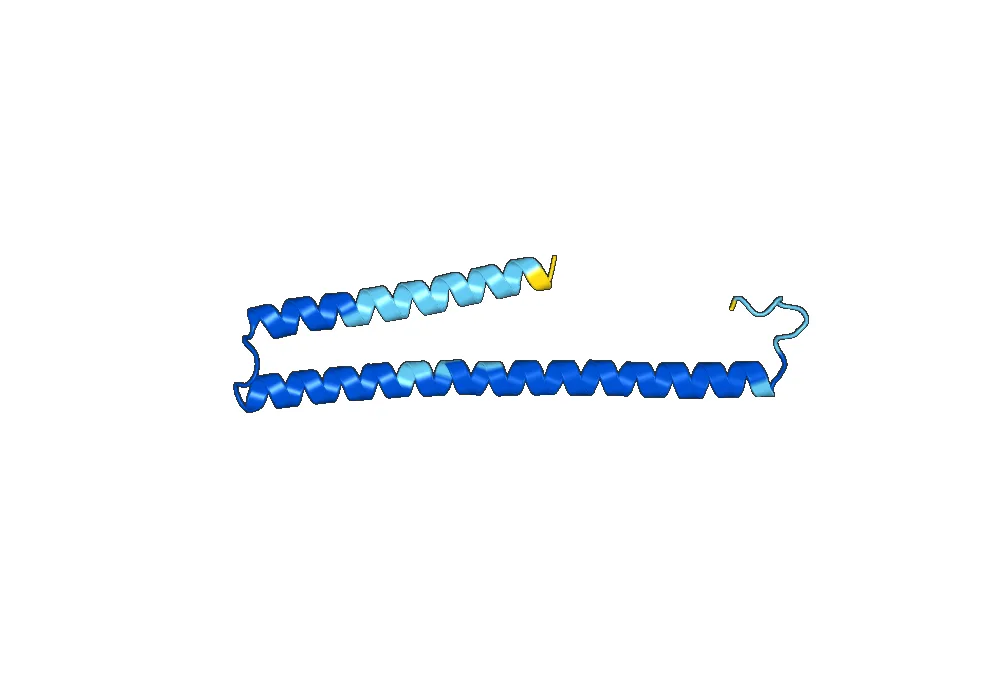
The structure of Recombinant Human NFIL3 Protein consists of 535 amino acids with a molecular weight of approximately 60 kDa. It belongs to the basic leucine zipper (bZIP) family of transcription factors and contains a basic DNA-binding domain and a leucine zipper dimerization domain. These domains allow for the protein to bind to specific DNA sequences and form dimers with other proteins, respectively.
The protein also contains several functional domains, including a transactivation domain, which is responsible for activating gene expression, and a nuclear localization signal, which directs the protein to the nucleus where it can perform its function.
Activity of Recombinant Human NFIL3 Protein
Recombinant Human NFIL3 Protein is a transcription factor that regulates the expression of various genes involved in immune response, cell proliferation, and differentiation. It binds to specific DNA sequences, known as NFIL3 response elements, and activates or represses the transcription of target genes.
One of the key functions of this protein is its role in regulating the differentiation of immune cells, such as T cells, B cells, and natural killer cells. It has been shown to promote the development of regulatory T cells, which play a crucial role in maintaining immune homeostasis and preventing autoimmune diseases.
In addition, Recombinant Human NFIL3 Protein has been found to regulate the production of cytokines, such as interleukin-3 and granulocyte-macrophage colony-stimulating factor, which are essential for the growth and differentiation of immune cells.
Application of Recombinant Human NFIL3 Protein
Recombinant Human NFIL3 Protein has a wide range of applications in both research and therapeutic settings. In research, it is commonly used as a tool to study the role of NFIL3 in gene regulation and immune response. The protein can be used to manipulate the expression of target genes and study the effects on cell function.
In therapeutic applications, Recombinant Human NFIL3 Protein has shown potential in the treatment of autoimmune diseases, such as multiple sclerosis and rheumatoid arthritis. By promoting the development of regulatory T cells, it can help suppress the abnormal immune response that leads to these diseases.
Moreover, this protein has also been studied for its potential in cancer immunotherapy. It has been shown to enhance the anti-tumor activity of immune cells and promote the production of cytokines that can inhibit tumor growth.
Conclusion
In conclusion, Recombinant Human NFIL3 Protein is a crucial regulator of gene expression and immune response. Its structure, activity, and various applications make it a valuable tool for research and a potential therapeutic agent for autoimmune diseases and cancer. With ongoing research, this protein may hold even more promise for future treatments and advancements in the field of immunology.


There are no reviews yet.