Introduction to Recombinant Human NPHS2
Recombinant Human NPHS2, also known as Nephrin, is a protein that plays a crucial role in maintaining the structure and function of the glomerular filtration barrier in the kidneys. It is a transmembrane protein that is primarily expressed in the podocytes, specialized cells that form the filtration barrier in the glomeruli of the kidneys. Mutations in the NPHS2 gene have been linked to a rare genetic disorder called congenital nephrotic syndrome, which is characterized by proteinuria and progressive kidney failure. The recombinant form of NPHS2 has been extensively studied and has shown promising potential for therapeutic applications. In this article, we will explore the structure, activity, and applications of Recombinant Human NPHS2.
Structure of Recombinant Human NPHS2
The NPHS2 gene is located on chromosome 1 and encodes for a protein of 1241 amino acids. The recombinant form of NPHS2 is produced using recombinant DNA technology, where the gene is inserted into a suitable expression system, such as bacteria or mammalian cells, to produce large quantities of the protein. The recombinant protein has a molecular weight of approximately 140 kDa and is glycosylated, meaning it has sugar molecules attached to it. This glycosylation is essential for the proper folding and function of the protein.
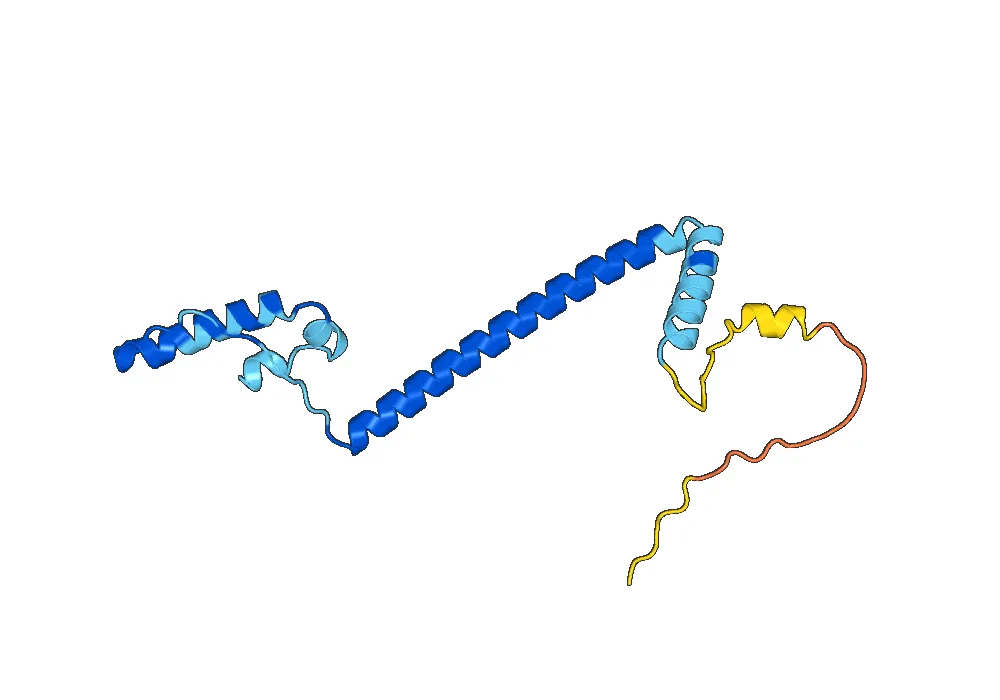
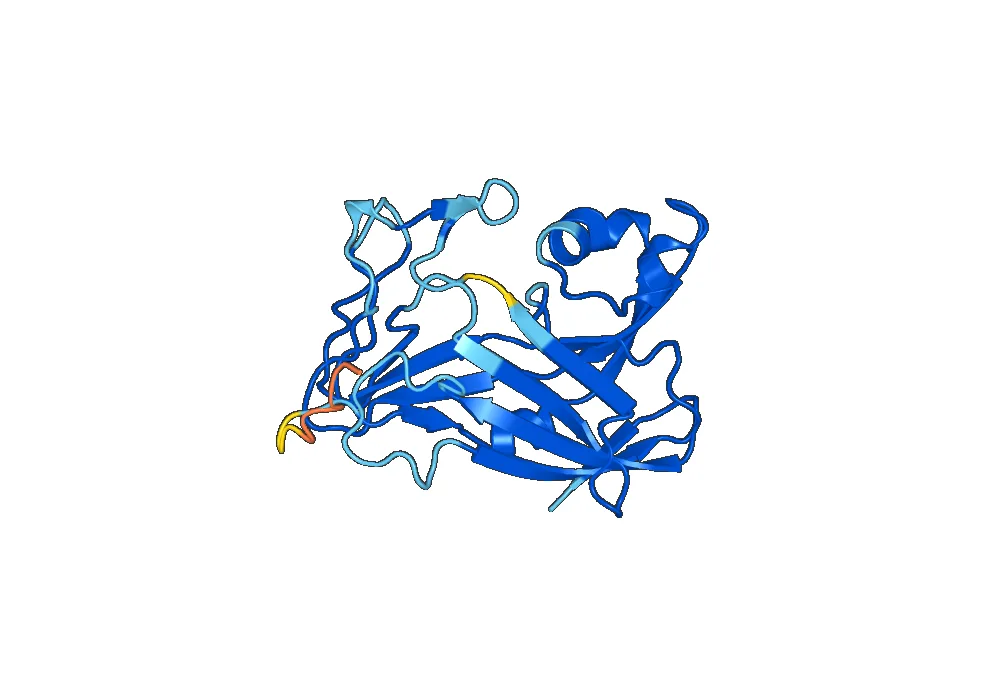
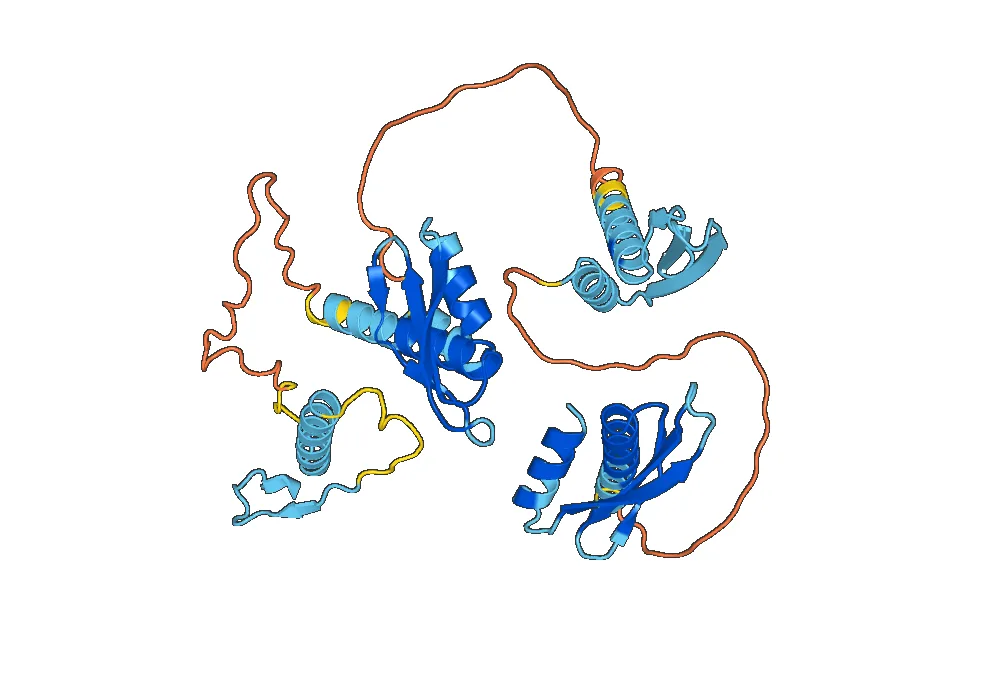
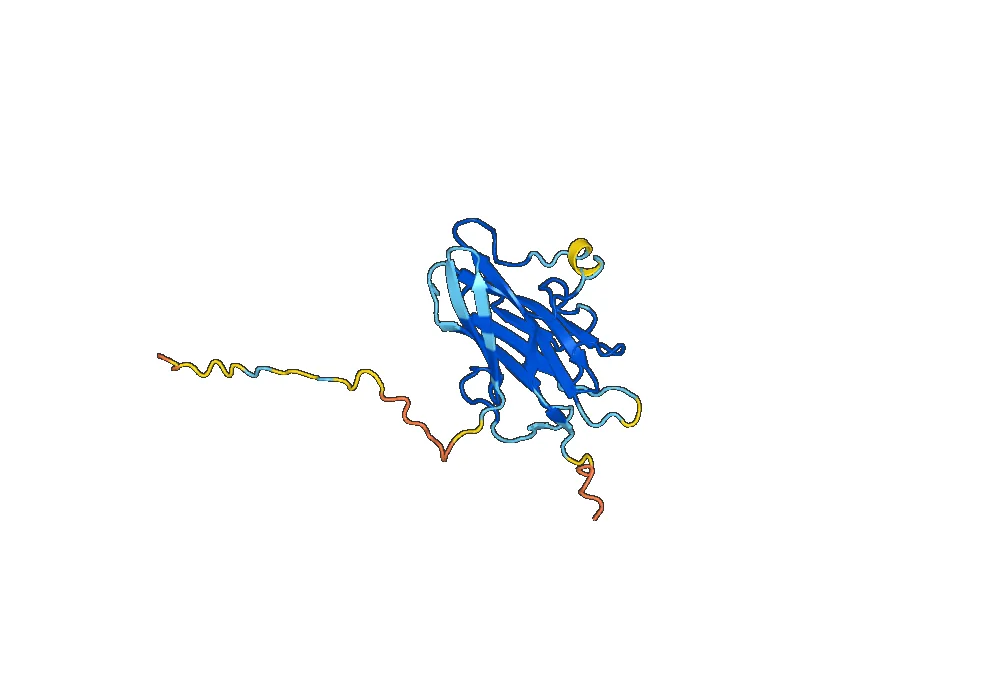
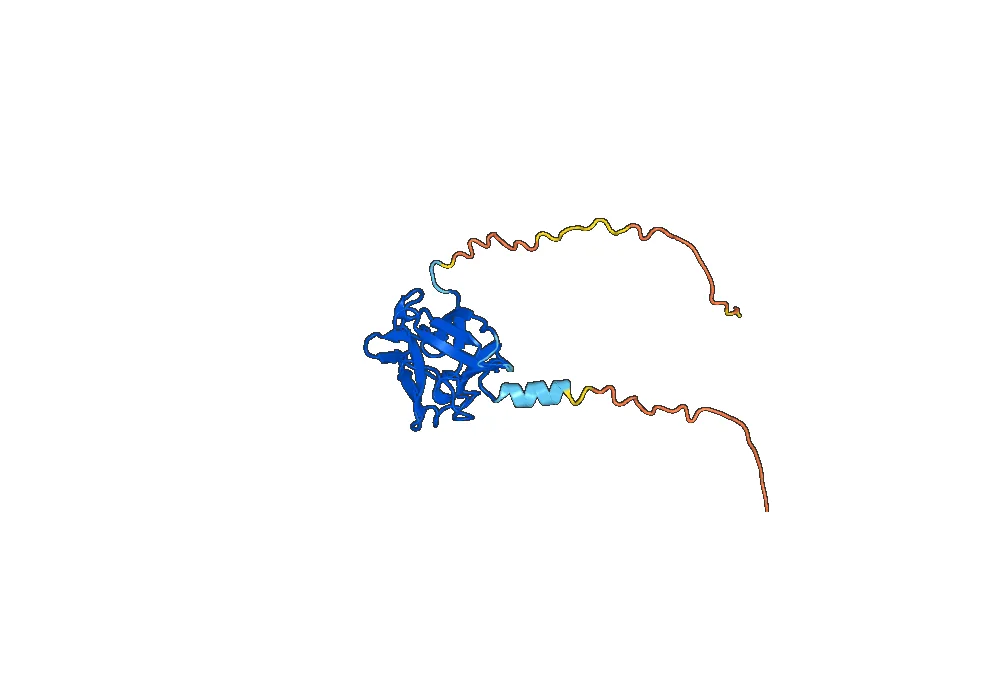
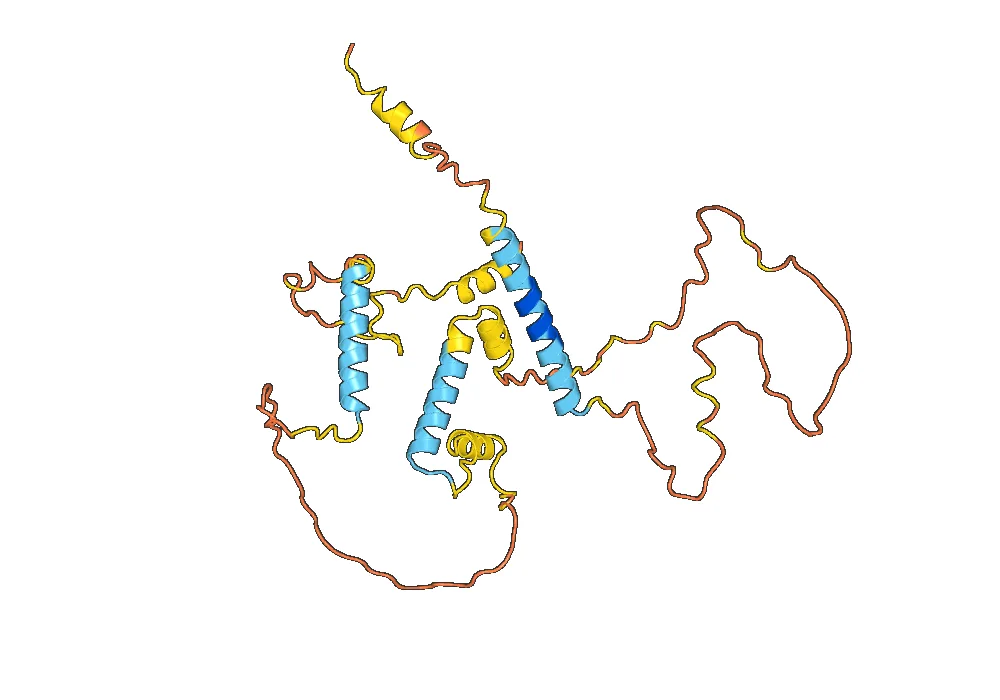
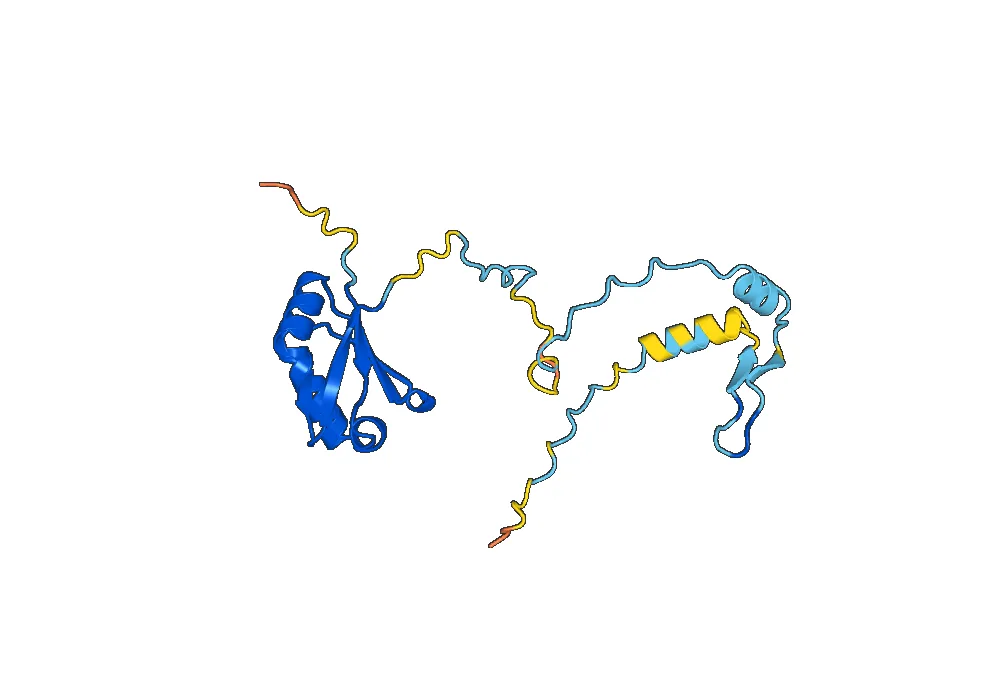
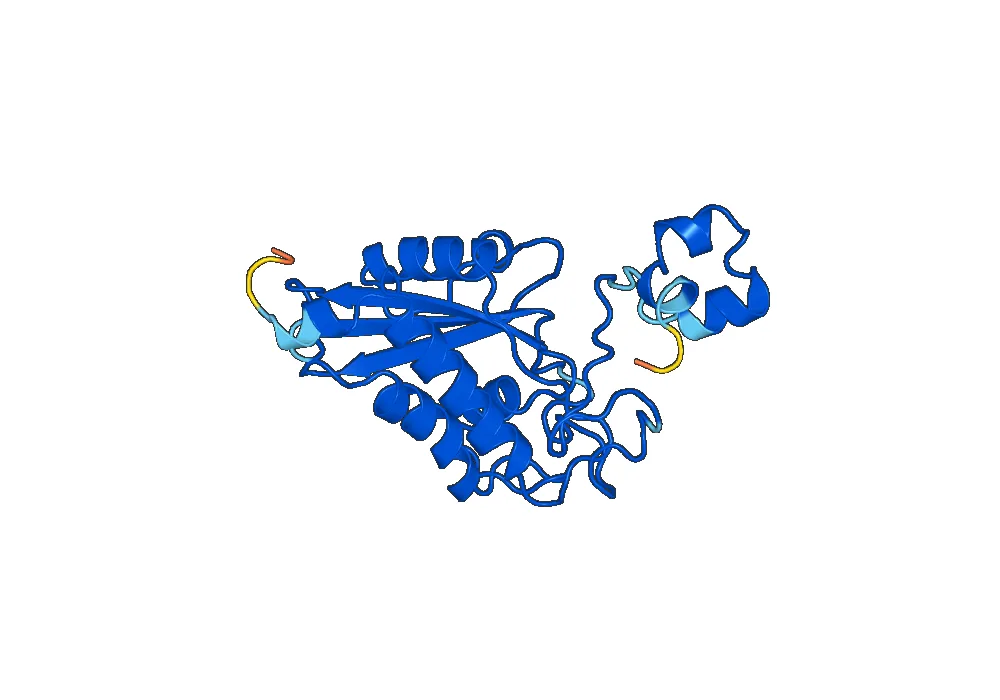
The structure of NPHS2 consists of several domains, including an extracellular domain, a transmembrane domain, and an intracellular domain. The extracellular domain contains eight Ig-like domains, which are responsible for protein-protein interactions. The transmembrane domain anchors the protein to the cell membrane, while the intracellular domain plays a role in signaling and cytoskeletal organization.
Activity of Recombinant Human NPHS2
NPHS2 is a key component of the glomerular filtration barrier, which is responsible for filtering blood and preventing the loss of important proteins, such as albumin, into the urine. It is involved in the formation and maintenance of the slit diaphragm, a specialized structure that forms the final barrier to protein filtration in the kidneys. NPHS2 interacts with other proteins, such as podocin and CD2AP, to form a complex that is essential for the integrity of the slit diaphragm.
Mutations in the NPHS2 gene can lead to a decrease in NPHS2 expression or function, resulting in a disruption of the slit diaphragm and increased protein leakage into the urine. This can ultimately lead to kidney damage and failure. Recombinant Human NPHS2 has been shown to restore the function of the slit diaphragm in animal models of congenital nephrotic syndrome, making it a potential therapeutic option for this condition.
Applications of Recombinant Human NPHS2
The primary application of Recombinant Human NPHS2 is in the treatment of congenital nephrotic syndrome caused by mutations in the NPHS2 gene. Studies have shown that recombinant NPHS2 can restore the function of the slit diaphragm and reduce proteinuria in animal models of this disease. Clinical trials are currently underway to evaluate the safety and efficacy of recombinant NPHS2 in human patients.
In addition to its potential therapeutic applications, recombinant NPHS2 is also used as an antigen in research studies. Antibodies against NPHS2 are useful tools for studying the structure and function of the slit diaphragm and its role in kidney diseases. Recombinant NPHS2 can also be used to screen for potential drug candidates that target the slit diaphragm and improve its function.
Conclusion
Recombinant Human NPHS2 is a promising protein with important roles in maintaining the structure and function of the glomerular filtration barrier in the kidneys. Its recombinant form has shown potential for therapeutic applications in congenital nephrotic

There are no reviews yet.