Introduction
Recombinant Human P4HA1 Protein, also known as prolyl 4-hydroxylase subunit alpha 1, is an essential enzyme involved in the post-translational modification of proteins. This protein plays a crucial role in collagen synthesis, making it a vital component in maintaining the structural integrity of various tissues in the human body. In this article, we will delve into the structure, activity, and application of Recombinant Human P4HA1 Protein.
Structure of Recombinant Human P4HA1 Protein
The gene encoding for Recombinant Human P4HA1 Protein is located on chromosome 10 and consists of 20 exons. The protein itself is composed of 531 amino acids and has a molecular weight of approximately 59.5 kDa. It is a heterodimeric enzyme, consisting of two subunits – alpha and beta. The alpha subunit is responsible for catalytic activity, while the beta subunit is involved in the stabilization and regulation of the enzyme.
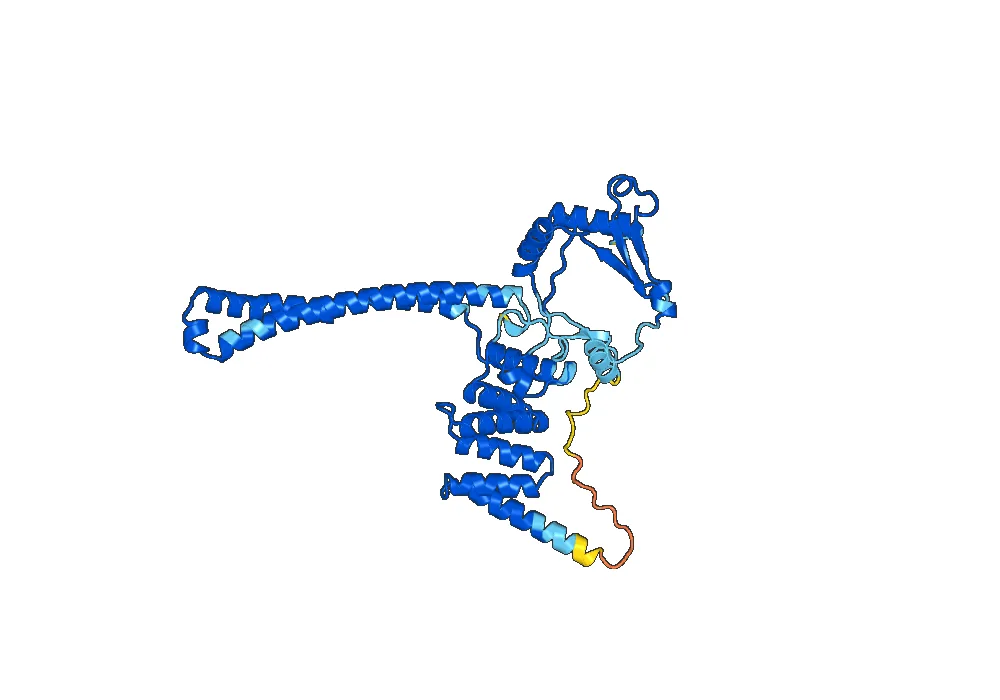
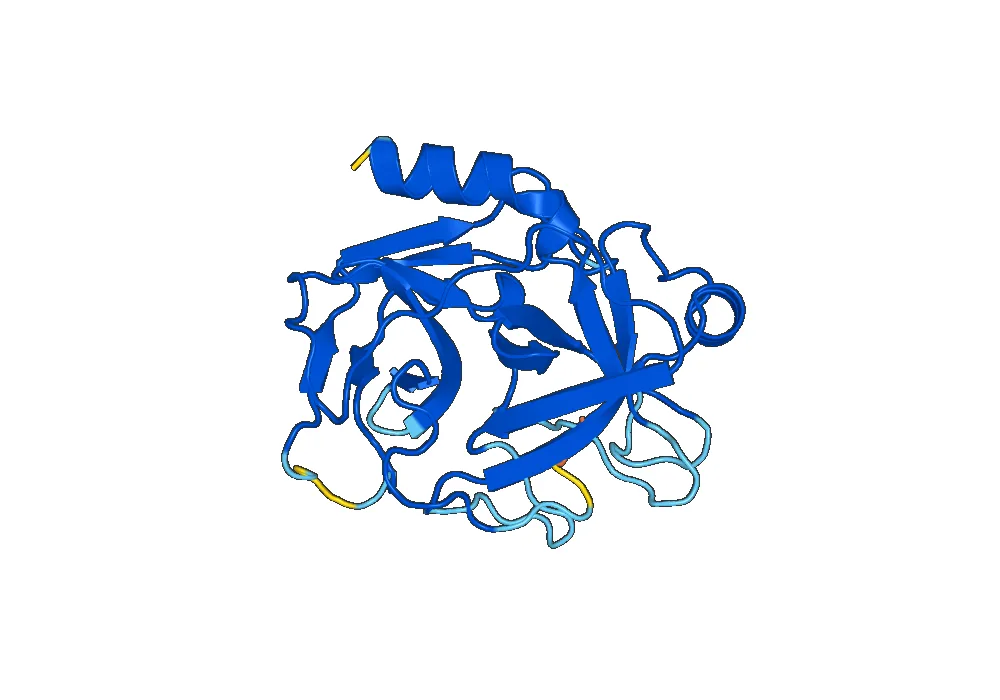
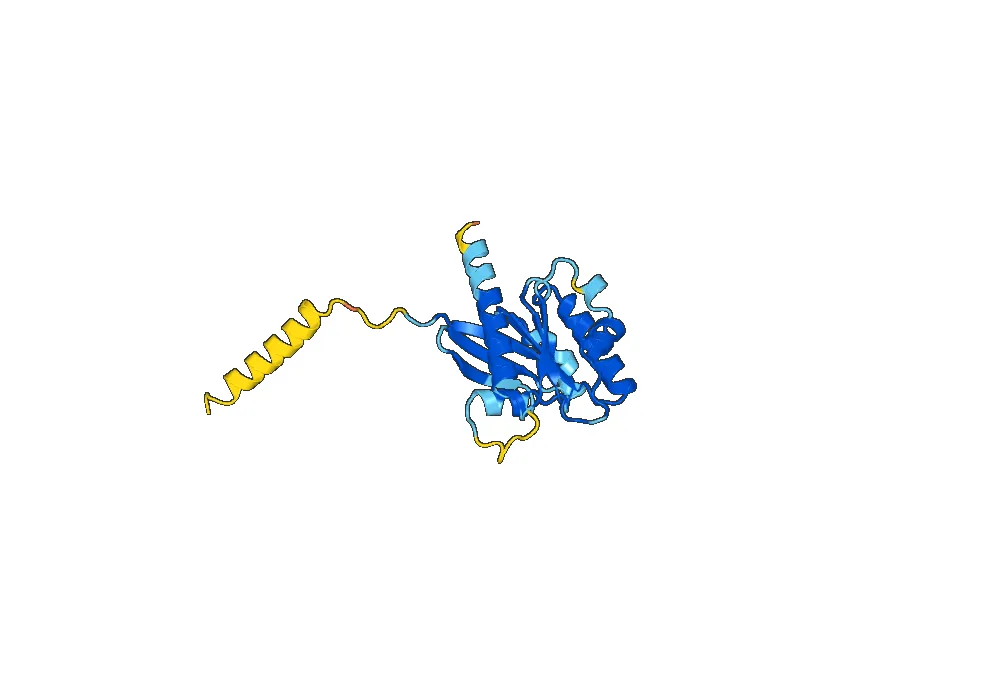
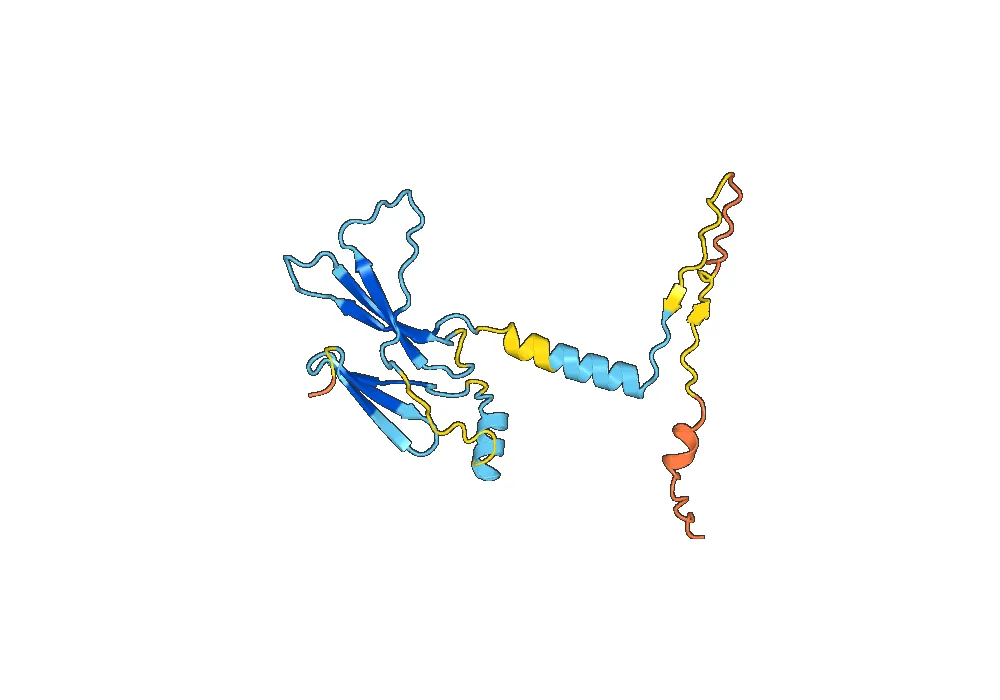
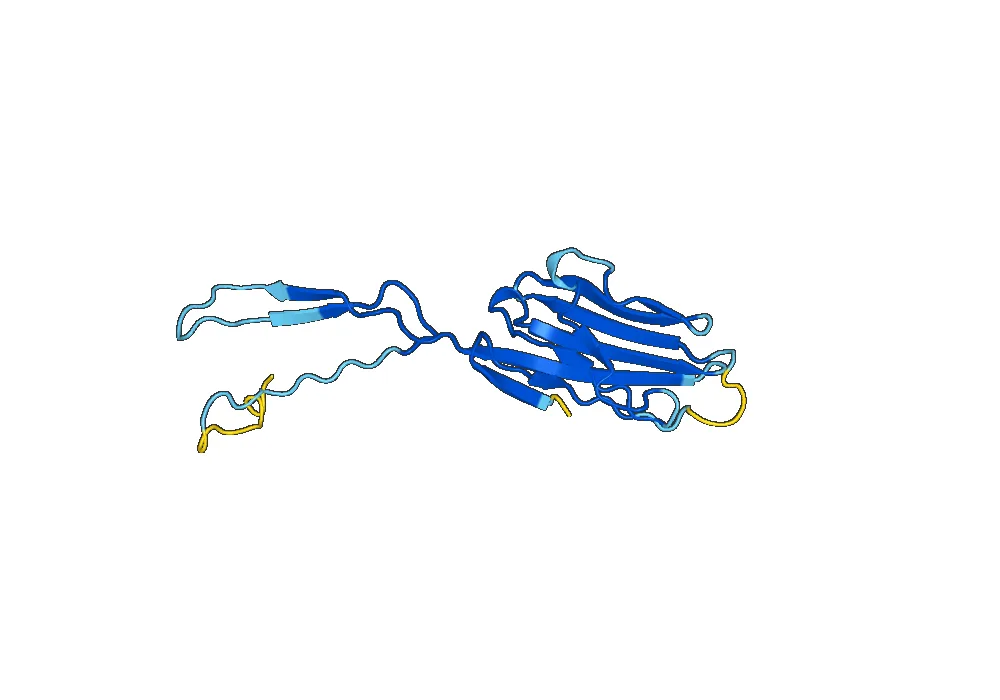
The crystal structure of Recombinant Human P4HA1 Protein has been determined, revealing a characteristic double-stranded beta-helix fold. This unique structure is crucial for the enzyme’s activity, as it allows for the binding and hydroxylation of proline residues in collagen chains.
Activity of Recombinant Human P4HA1 Protein
As mentioned earlier, Recombinant Human P4HA1 Protein is involved in the post-translational modification of proteins, specifically the hydroxylation of proline residues in collagen chains. This process is essential for the proper folding and assembly of collagen, a major structural protein in the human body.
The enzyme catalyzes the addition of a hydroxyl group to proline residues, converting them into hydroxyproline. This modification is crucial for the stability and strength of collagen, as hydroxyproline allows for the formation of hydrogen bonds between collagen chains, contributing to the overall structure and function of various tissues such as skin, bones, and cartilage.
Application of Recombinant Human P4HA1 Protein
The activity of Recombinant Human P4HA1 Protein in collagen synthesis makes it a valuable tool in various fields of research and medicine. One of its primary applications is in the production of recombinant collagen for tissue engineering and regenerative medicine.
Recombinant Human P4HA1 Protein can be used to modify collagen produced in vitro, resulting in a more stable and functional protein for use in tissue scaffolds. This technology has the potential to revolutionize the field of regenerative medicine, allowing for the production of customized tissues and organs for transplantation.
Furthermore, Recombinant Human P4HA1 Protein has also been studied for its potential in cancer treatment. As collagen plays a crucial role in tumor growth and metastasis, targeting the activity of this enzyme could potentially inhibit cancer progression.
Conclusion
In conclusion, Recombinant Human P4HA1 Protein is a vital enzyme involved in collagen synthesis, with a unique structure and crucial activity in the post-translational modification of proteins. Its applications in tissue engineering and regenerative medicine, as well as its potential in cancer treatment, make it an essential protein in the field of biotechnology. Further research and development of this enzyme could lead to significant advancements in various areas of medicine and technology.


There are no reviews yet.