Introduction to Recombinant Human PHLDA1 Protein
Recombinant Human PHLDA1 Protein, also known as Pleckstrin Homology-Like Domain, Family A, Member 1, is a protein that plays a crucial role in regulating cell growth and survival. It is a member of the PHLDA family, which is a group of proteins that contain a pleckstrin homology (PH) domain and a death domain. The PH domain is a conserved protein domain that is involved in protein-protein interactions, while the death domain is involved in signaling pathways that regulate cell death. Recombinant Human PHLDA1 Protein is produced through recombinant DNA technology, making it a valuable tool for research and therapeutic applications.
Structure of Recombinant Human PHLDA1 Protein
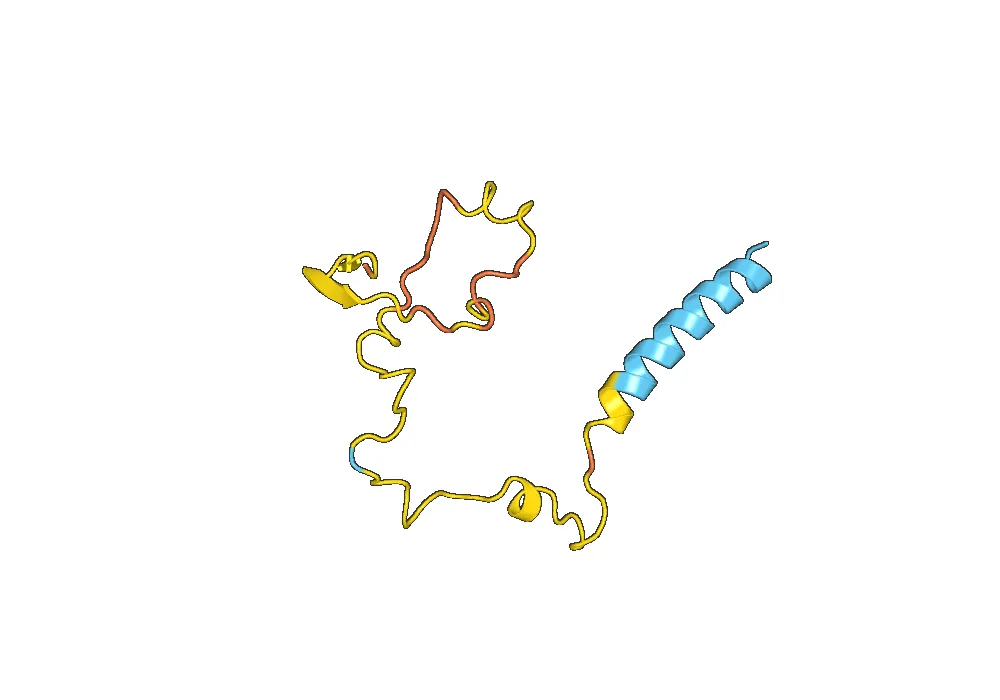
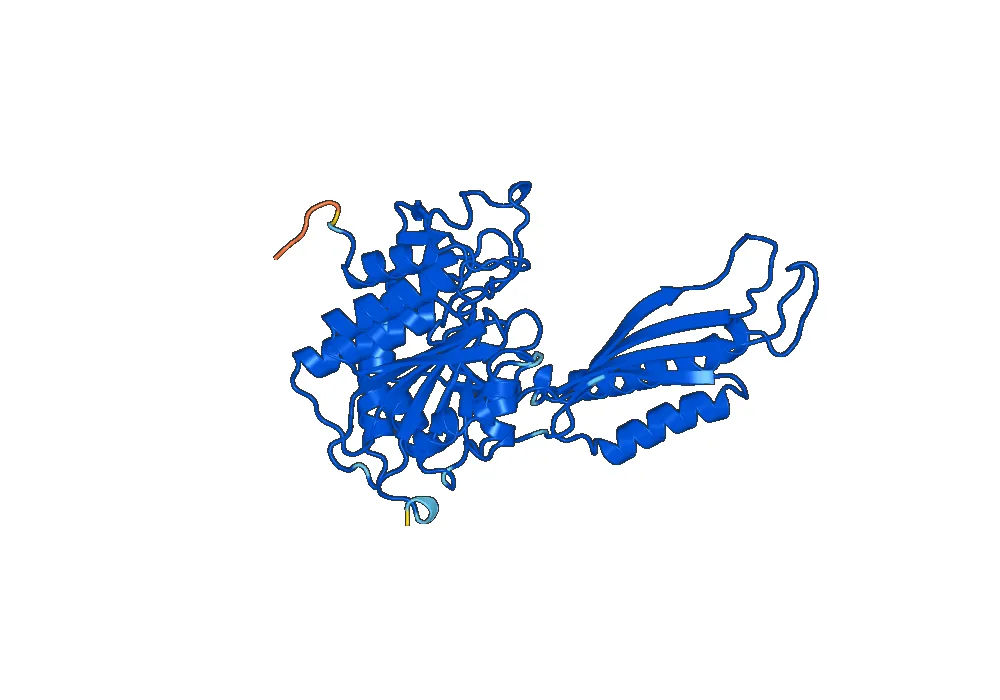
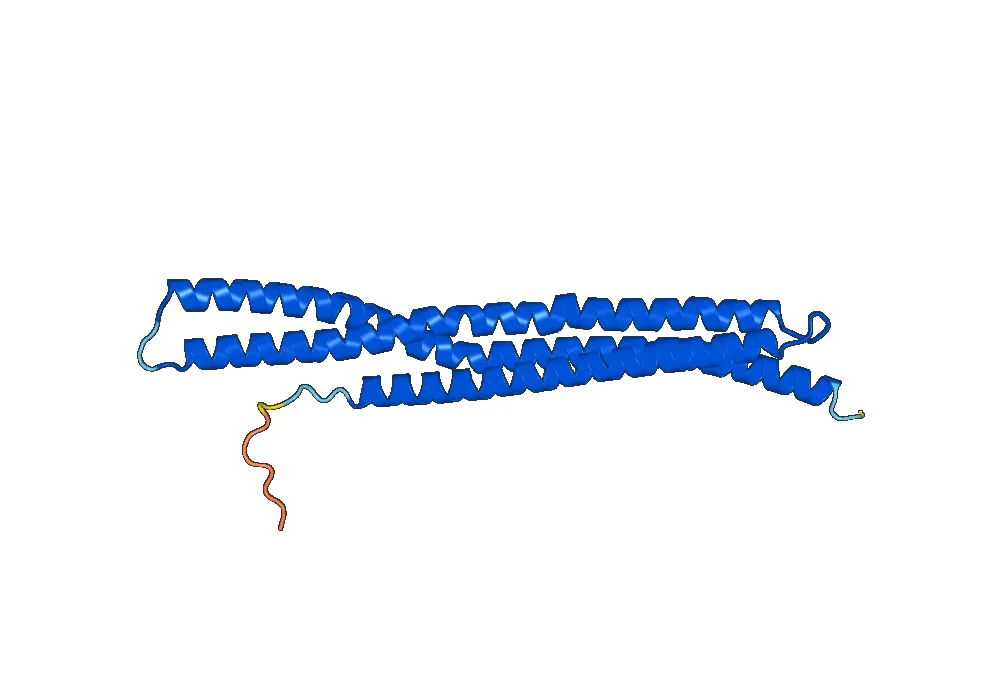
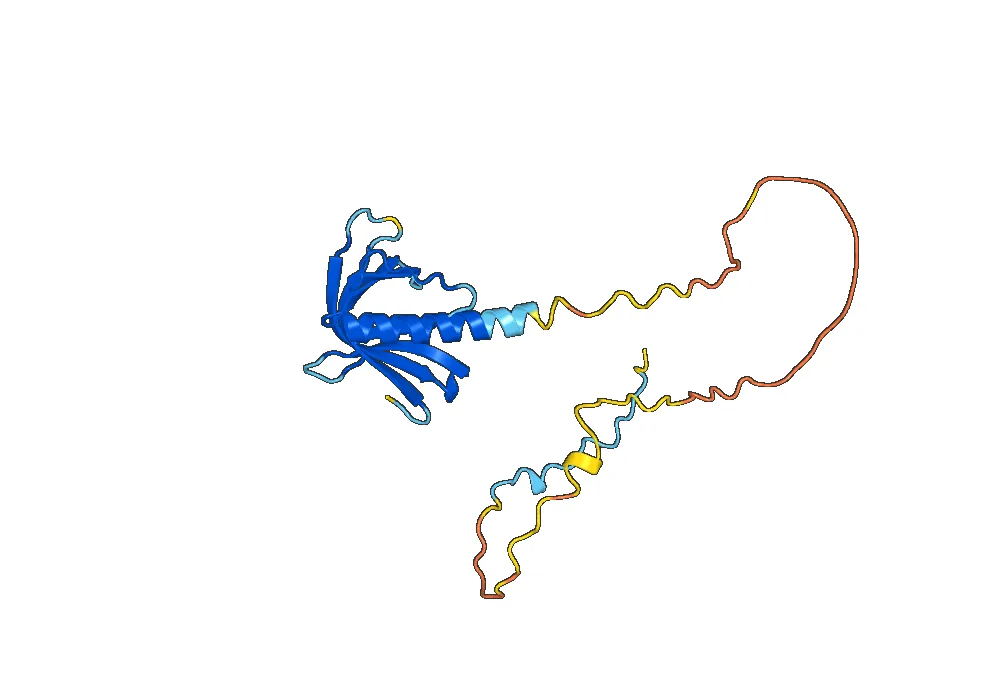
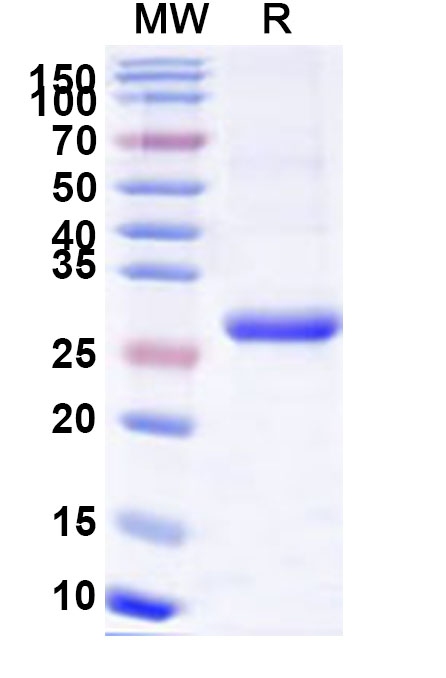
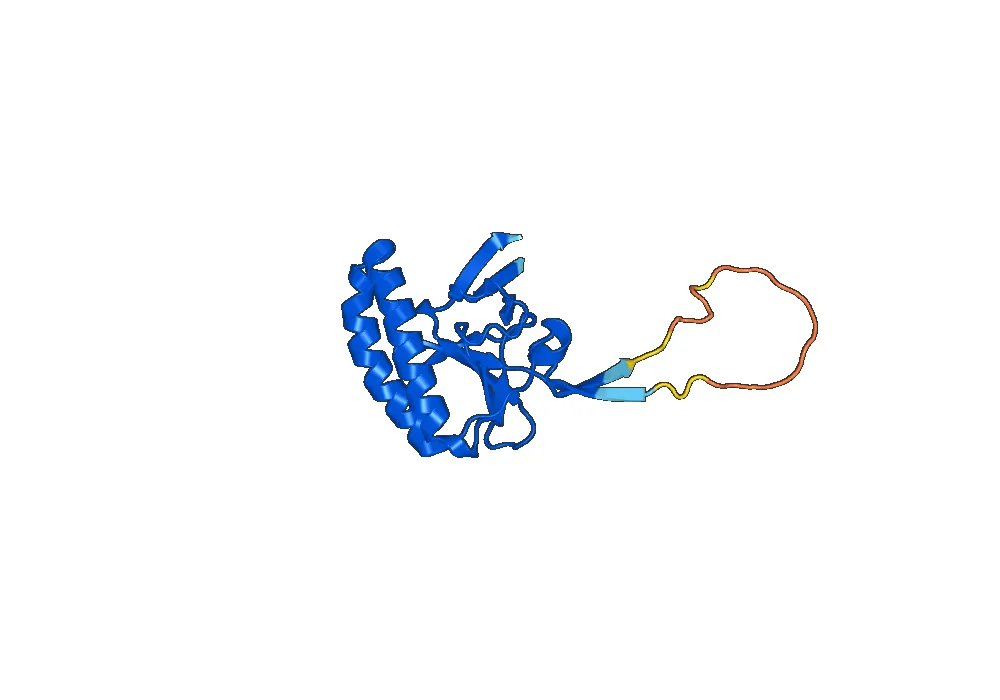
Recombinant Human PHLDA1 Protein is a 180 amino acid protein with a molecular weight of approximately 20 kDa. It contains a PH domain at the N-terminus and a death domain at the C-terminus. The PH domain is responsible for binding to specific lipids, while the death domain is involved in signaling pathways that regulate cell death. Recombinant Human PHLDA1 Protein also contains several conserved motifs, including a proline-rich region and a leucine zipper motif, which are important for protein-protein interactions.
Activity of Recombinant Human PHLDA1 Protein
Recombinant Human PHLDA1 Protein has been shown to play a critical role in regulating cell growth and survival. It has been found to interact with several proteins involved in cell signaling pathways, including Akt, a key regulator of cell survival. Recombinant Human PHLDA1 Protein has been shown to inhibit Akt signaling, leading to decreased cell proliferation and increased cell death. Additionally, it has been reported to activate the JNK signaling pathway, which is involved in regulating cell death and inflammation.
Studies have also shown that Recombinant Human PHLDA1 Protein is involved in regulating insulin signaling. It has been found to interact with insulin receptor substrate 1 (IRS-1) and modulate its activity, leading to altered insulin signaling and glucose metabolism. This suggests that Recombinant Human PHLDA1 Protein may have potential therapeutic applications in the treatment of metabolic disorders, such as diabetes.
Application of Recombinant Human PHLDA1 Protein
Recombinant Human PHLDA1 Protein has a wide range of applications in both research and therapeutic settings. In research, it can be used as a tool to study the role of PHLDA1 in different signaling pathways and cellular processes. It can also be used to screen for potential inhibitors or activators of PHLDA1 activity.
In therapeutic applications, Recombinant Human PHLDA1 Protein has shown potential as a target for cancer therapy. It has been found to be overexpressed in several types of cancer, including breast, lung, and colon cancer. Inhibiting PHLDA1 activity has been shown to decrease cancer cell growth and increase cell death, making it a promising target for anti-cancer drugs.
Furthermore, Recombinant Human PHLDA1 Protein has potential as a therapeutic agent for metabolic disorders, such as diabetes. Its ability to modulate insulin signaling and glucose metabolism makes it a potential candidate for the development of new treatments for these conditions.
Conclusion
In summary, Recombinant Human PHLDA1 Protein is a crucial protein involved in regulating cell growth and survival. Its structure, activity, and potential applications make it a valuable tool for research and a potential target for therapeutic interventions. Further studies on this protein may lead to the development of new treatments for various diseases, including cancer and metabolic disorders.


There are no reviews yet.