Introduction
Recombinant Human PPP1CC Protein, also known as Protein Phosphatase 1 catalytic subunit gamma, is a key enzyme involved in the regulation of various cellular processes such as cell cycle progression, cell signaling, and gene expression. This protein is produced through recombinant DNA technology, making it a valuable tool for research and therapeutic applications. In this article, we will discuss the structure, activity, and applications of Recombinant Human PPP1CC Protein.
Structure of Recombinant Human PPP1CC Protein
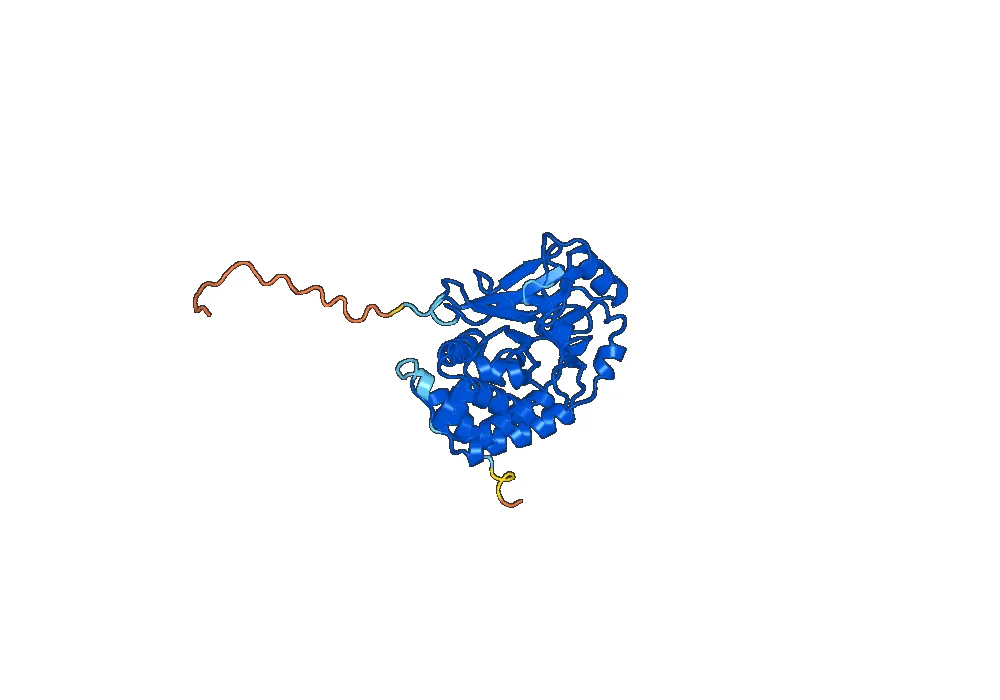
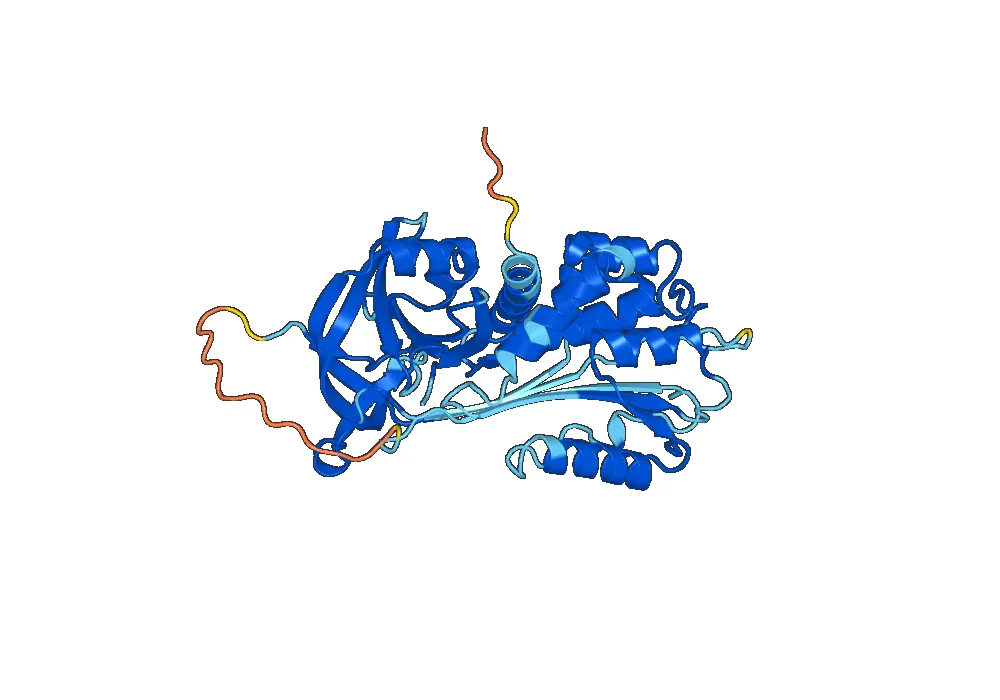
The PPP1CC gene is located on chromosome 12 and encodes for the catalytic subunit gamma of Protein Phosphatase 1. The recombinant protein is produced by inserting the gene into a suitable expression vector and expressing it in a host cell, typically E. coli or yeast. The resulting protein is a 37 kDa polypeptide consisting of 327 amino acids.
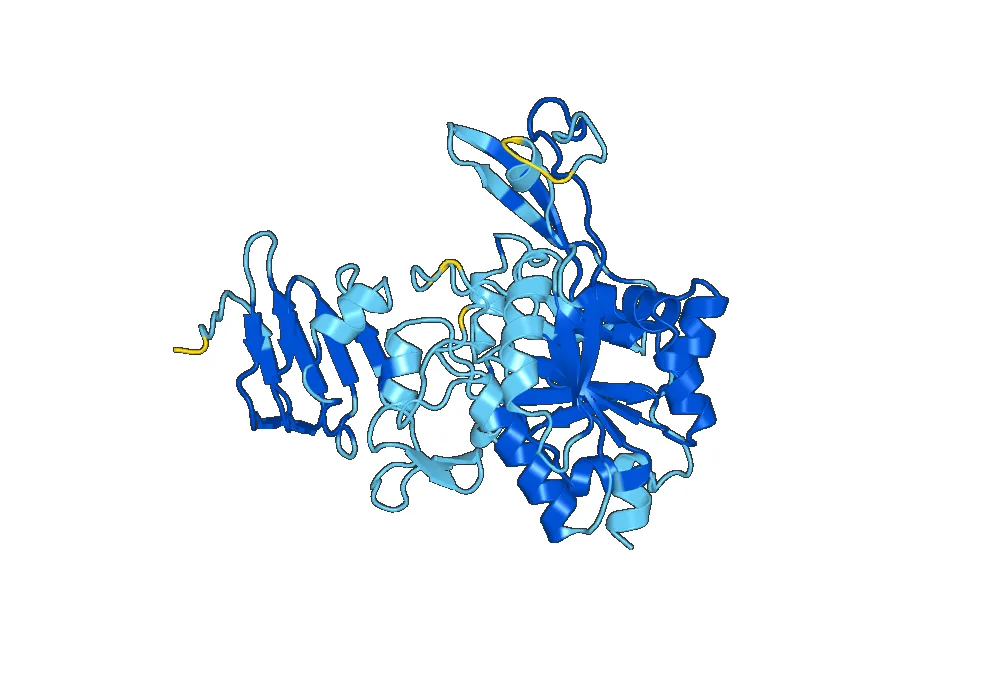
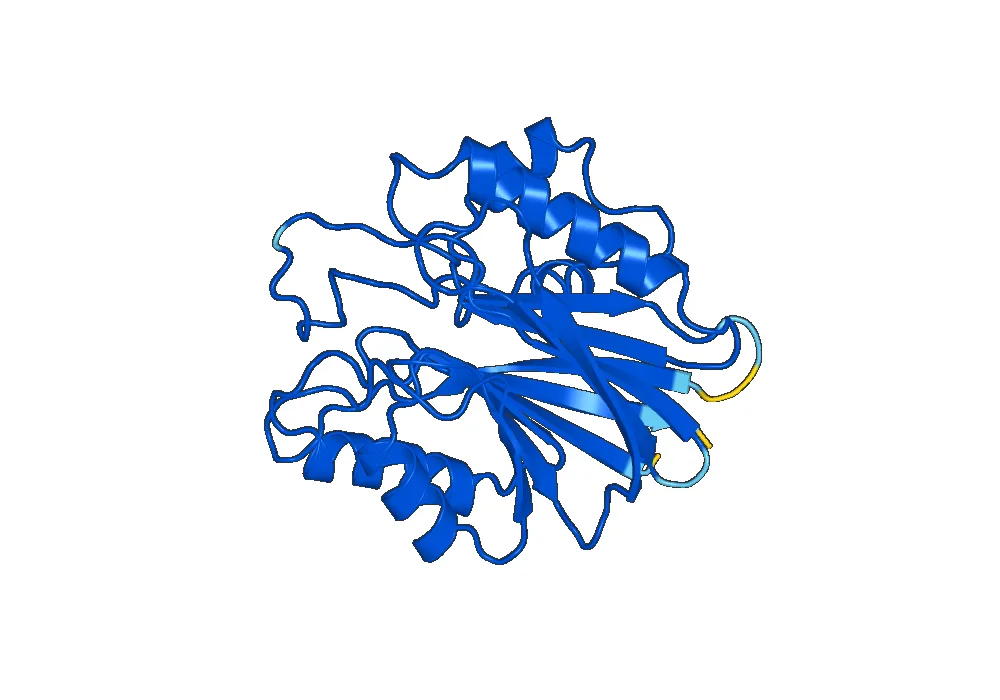
Recombinant Human PPP1CC Protein has a highly conserved catalytic domain, which is responsible for its phosphatase activity. This domain contains a metal-binding site and a conserved serine residue that is essential for catalysis. In addition, the protein has multiple regulatory subunits that can modulate its activity and substrate specificity.
Activity of Recombinant Human PPP1CC Protein
Recombinant Human PPP1CC Protein is a serine/threonine phosphatase that dephosphorylates a wide range of substrates. It plays a crucial role in regulating the activity of various signaling pathways, including the MAPK, PI3K/Akt, and Wnt pathways. By dephosphorylating key proteins in these pathways, PPP1CC can influence cell proliferation, differentiation, and survival.
In addition to its role in signaling pathways, Recombinant Human PPP1CC Protein also plays a critical role in cell cycle regulation. It dephosphorylates key proteins involved in cell cycle progression, such as cyclin-dependent kinases, to control the transition between different phases of the cell cycle. This makes PPP1CC an essential enzyme for maintaining proper cell growth and division.
Applications of Recombinant Human PPP1CC Protein
Recombinant Human PPP1CC Protein has a wide range of applications in both research and therapeutic settings. In research, it is commonly used to study the role of Protein Phosphatase 1 in various cellular processes. Its ability to dephosphorylate specific substrates makes it a valuable tool for studying signaling pathways and cell cycle regulation.
In therapeutic applications, Recombinant Human PPP1CC Protein has shown promise in the treatment of various diseases. For example, it has been found to play a role in cancer development and progression, making it a potential target for cancer therapy. In addition, mutations in the PPP1CC gene have been linked to neurodegenerative diseases, such as Alzheimer’s and Parkinson’s disease, making Recombinant Human PPP1CC Protein a potential therapeutic target for these conditions.
Conclusion
In summary, Recombinant Human PPP1CC Protein is a vital enzyme involved in the regulation of various cellular processes. Its structure, consisting of a conserved catalytic domain and multiple regulatory subunits, allows it to dephosphorylate a wide range of substrates. This recombinant protein has numerous applications in research and therapeutics, making it a valuable tool for understanding and treating various diseases. Further studies on the structure and activity of Recombinant Human PPP1CC Protein may lead to the development of new treatments for diseases associated with dysregulation of Protein Phosphatase 1.


There are no reviews yet.