Structure of Recombinant Human RAB3D Protein
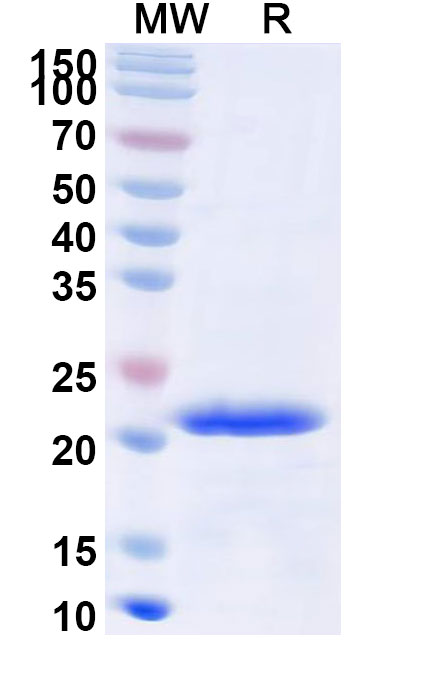
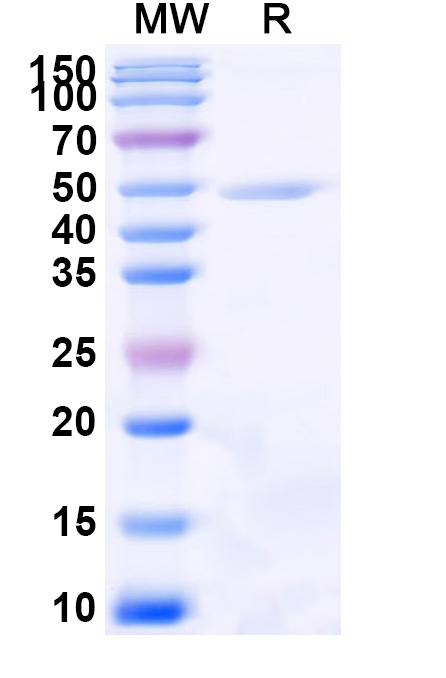
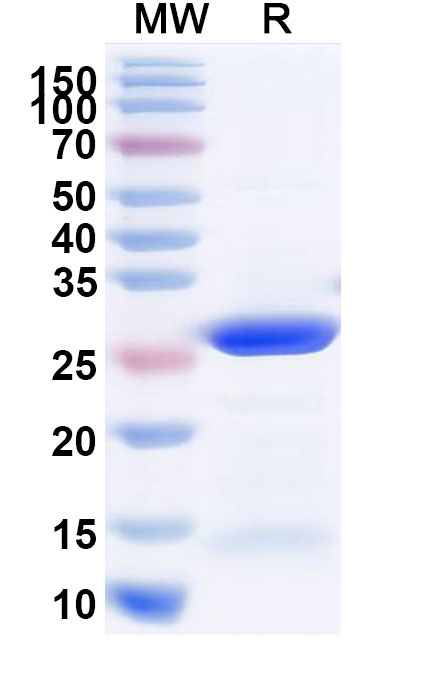
Recombinant Human RAB3D Protein is a protein that is produced through genetic engineering techniques. It is a member of the RAB family of small GTPases, which are involved in regulating intracellular membrane trafficking and vesicular transport. The RAB3D protein is composed of 220 amino acids and has a molecular weight of approximately 25 kDa. It contains a conserved GTPase domain, which is responsible for binding and hydrolyzing GTP, and a C-terminal hypervariable region, which is involved in protein-protein interactions.
Activity of Recombinant Human RAB3D Protein
The main activity of Recombinant Human RAB3D Protein is to regulate the transport of vesicles between different compartments within the cell. It does this by cycling between an active GTP-bound state and an inactive GDP-bound state. In its active state, RAB3D interacts with specific effector proteins, which then facilitate the docking and fusion of vesicles with their target membranes. This process is crucial for the proper functioning of various cellular processes, including exocytosis, endocytosis, and intracellular signaling.
Role in Exocytosis
Exocytosis is the process by which cells release substances, such as hormones, neurotransmitters, and enzymes, into the extracellular space. Recombinant Human RAB3D Protein plays a key role in this process by regulating the fusion of secretory vesicles with the plasma membrane. It does this by interacting with effector proteins, such as Rabphilin-3A and Rim2, which are involved in the tethering and docking of vesicles to the target membrane.
Role in Endocytosis
Endocytosis is the process by which cells take in substances from the extracellular environment. Recombinant Human RAB3D Protein is also involved in this process by regulating the formation and trafficking of endocytic vesicles. It interacts with effector proteins, such as Rabenosyn-5 and EEA1, which are involved in the formation and maturation of early endosomes.
Role in Intracellular Signaling
Intracellular signaling is the process by which cells communicate with each other. Recombinant Human RAB3D Protein plays a crucial role in this process by regulating the transport and release of signaling molecules, such as growth factors and cytokines. It interacts with effector proteins, such as Munc13-1 and Munc18-1, which are involved in the release of these signaling molecules from secretory vesicles.
Application of Recombinant Human RAB3D Protein
Due to its important role in regulating vesicular transport and membrane trafficking, Recombinant Human RAB3D Protein has various applications in both research and industry.
Research Applications
Recombinant Human RAB3D Protein is commonly used in research studies to understand the molecular mechanisms underlying intracellular membrane trafficking and vesicular transport. It is also used to study the role of RAB3D in various cellular processes, such as exocytosis, endocytosis, and intracellular signaling. Recombinant RAB3D protein can be used in in vitro assays to study its interaction with various effector proteins and its GTPase activity. It can also be used in cell culture experiments to investigate the effects of RAB3D overexpression or knockdown on cellular processes.
Industrial Applications
Recombinant Human RAB3D Protein has potential applications in the development of therapeutics for various

There are no reviews yet.