Introduction to Recombinant Human RAD1 Protein
Recombinant Human RAD1 Protein, also known as RAD1 (Radiation sensitive 1), is a protein that plays a crucial role in DNA repair mechanisms. It is a highly conserved protein found in all eukaryotic organisms and is essential for maintaining the integrity of the genome. RAD1 belongs to the RAD1/RAD10 endonuclease family and is involved in the nucleotide excision repair (NER) pathway, which is responsible for repairing DNA damage caused by UV radiation and other environmental factors. In this article, we will discuss the structure, activity, and applications of Recombinant Human RAD1 Protein.
Structure of Recombinant Human RAD1 Protein
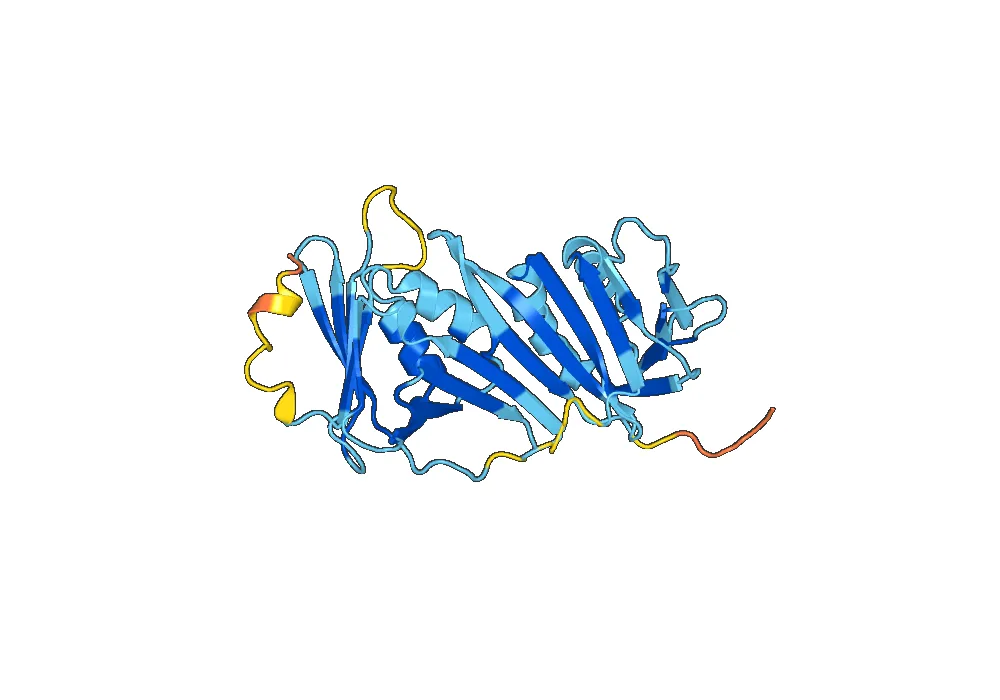
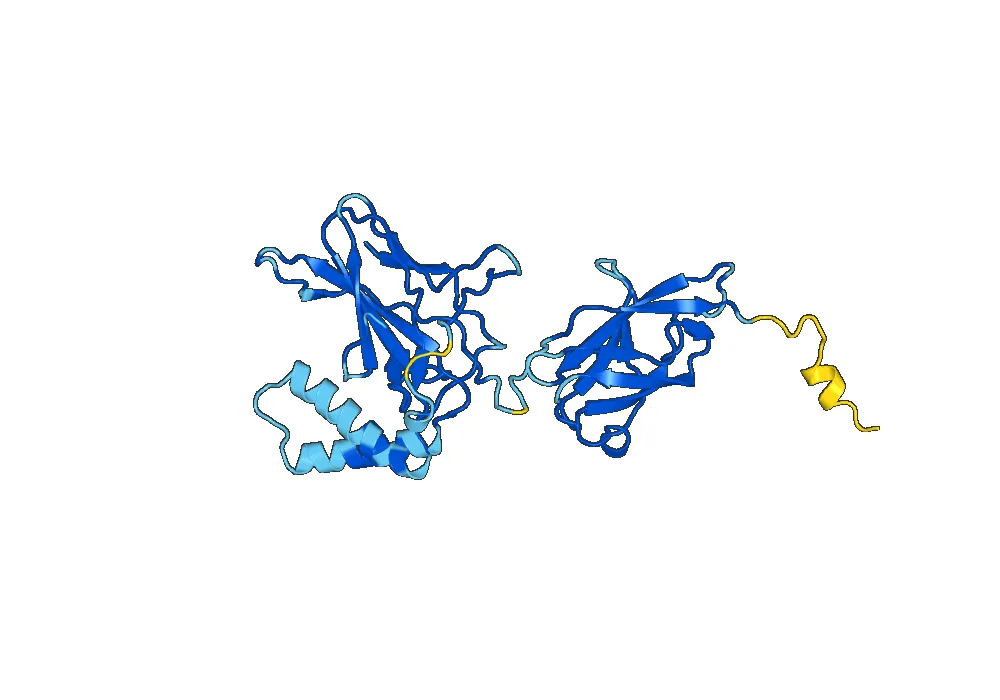
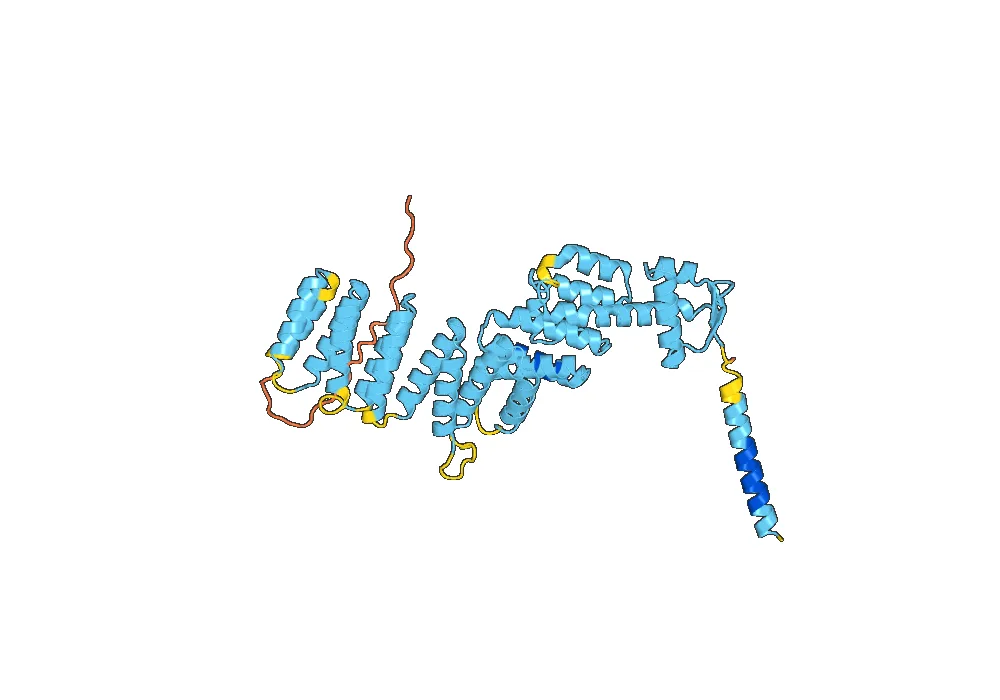
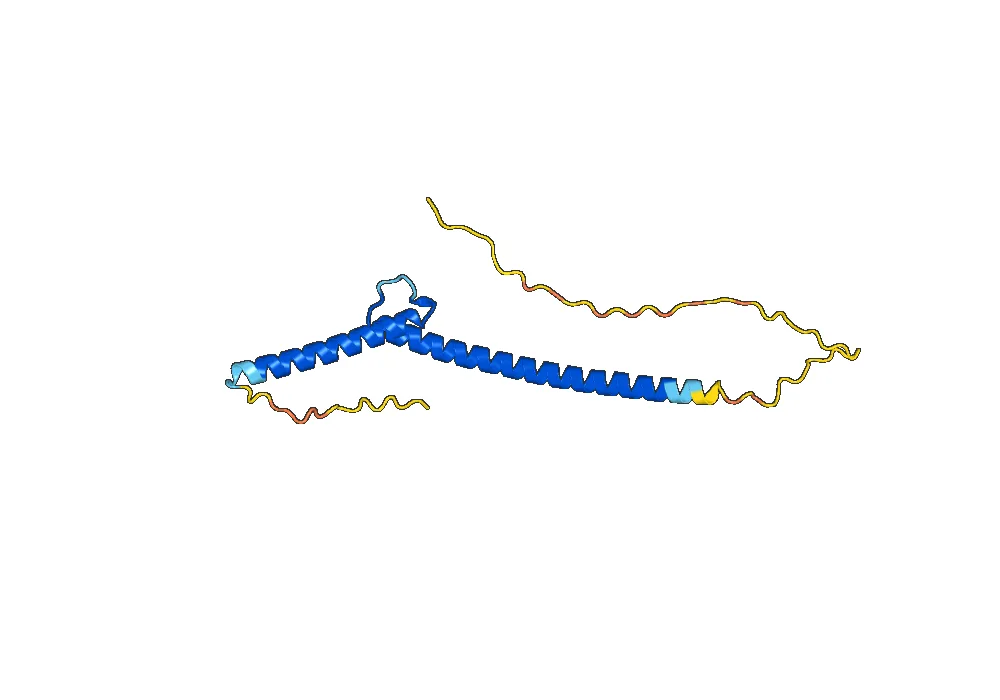
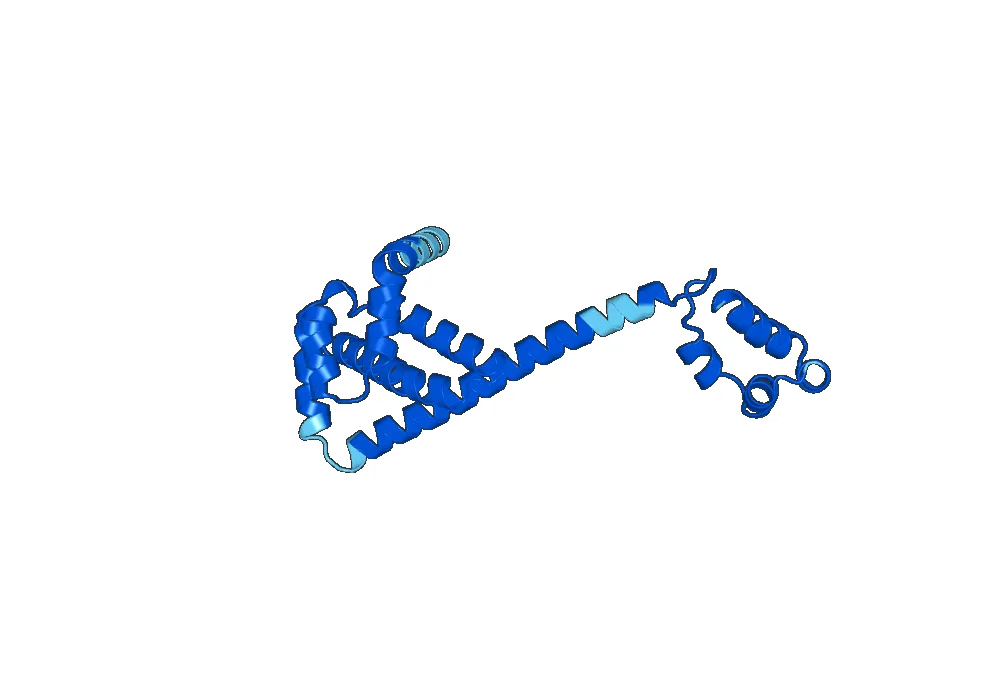
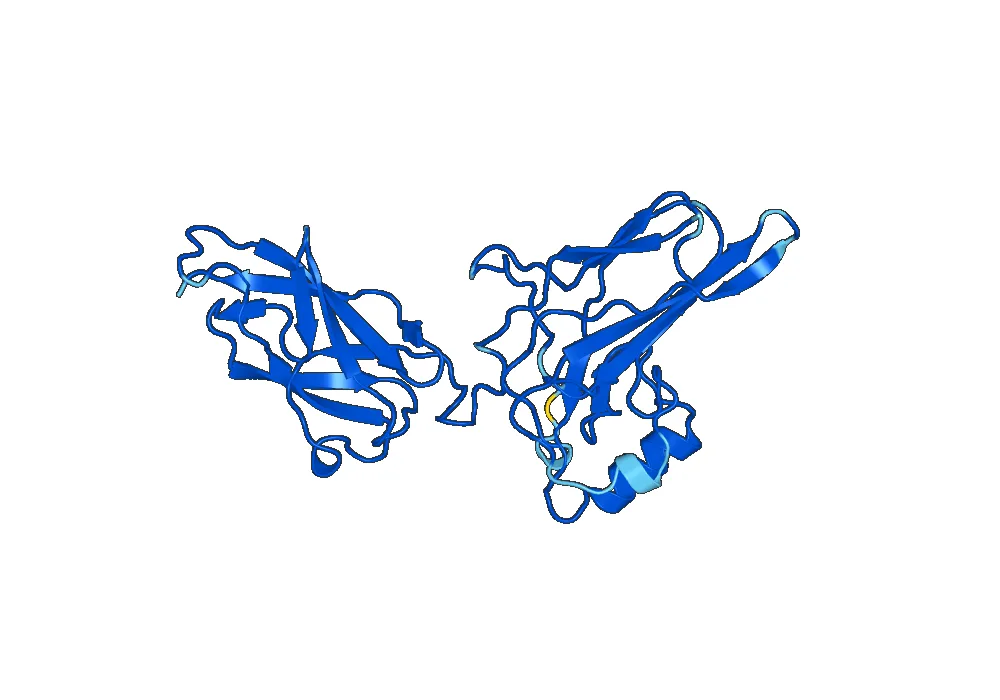
Recombinant Human RAD1 Protein is a 25 kDa protein consisting of 236 amino acids. It contains a conserved endonuclease domain, which is responsible for its DNA repair activity. The protein also has a helix-hairpin-helix (HhH) motif, which is involved in DNA binding. RAD1 forms a heterodimer with RAD10, another protein in the RAD1/RAD10 endonuclease family, to form the functional endonuclease complex. The heterodimeric complex is stabilized by the presence of zinc ions, which are essential for its activity.
Activity of Recombinant Human RAD1 Protein
The main function of Recombinant Human RAD1 Protein is to recognize and repair DNA damage through the NER pathway. It is involved in the recognition and excision of damaged DNA bases, as well as strand incision and gap filling. RAD1 works in conjunction with other proteins, such as XPA, XPC, and XPF, to form the NER complex. This complex is responsible for detecting and repairing various types of DNA damage, including UV-induced pyrimidine dimers and chemical adducts.
In addition to its role in NER, RAD1 also plays a role in DNA replication and recombination. It is involved in the resolution of Holliday junctions, which are intermediates formed during DNA recombination. RAD1 acts as an endonuclease to cleave the junction, allowing for proper DNA repair and replication.
Applications of Recombinant Human RAD1 Protein
Recombinant Human RAD1 Protein has various applications in both research and clinical settings. Its role in DNA repair makes it a valuable tool for studying the mechanisms of DNA damage and repair. It can be used in in vitro assays to study the activity of the NER complex and its interactions with other proteins. RAD1 is also used in genetic studies to investigate the role of DNA repair in diseases such as cancer and neurodegenerative disorders.
In the clinical setting, RAD1 has potential applications in cancer treatment. As a key player in the NER pathway, RAD1 is involved in repairing DNA damage caused by chemotherapy and radiation therapy. Studies have shown that mutations in RAD1 can lead to increased sensitivity to certain chemotherapeutic agents, making it a potential biomarker for predicting treatment response. Additionally, RAD1 inhibitors have shown promising results in sensitizing cancer cells to chemotherapy, making it a potential target for cancer therapy.
Conclusion
In summary, Recombinant Human RAD1 Protein is a vital component of the DNA repair machinery, with important roles in NER, DNA replication, and recombination. Its structure, activity, and applications make it a valuable tool for studying DNA repair mechanisms and its potential as a biomarker and therapeutic target in cancer treatment. Further research on RAD1 and its interactions with other proteins in the NER pathway may lead to the development of new treatments for diseases associated with DNA damage.



There are no reviews yet.