Recombinant Human S100A12 is a protein that plays a crucial role in the immune response and has been identified as a key antigen in various inflammatory diseases. It is a member of the S100 protein family, which consists of small, calcium-binding proteins that are involved in diverse cellular processes such as cell growth, differentiation, and inflammation.
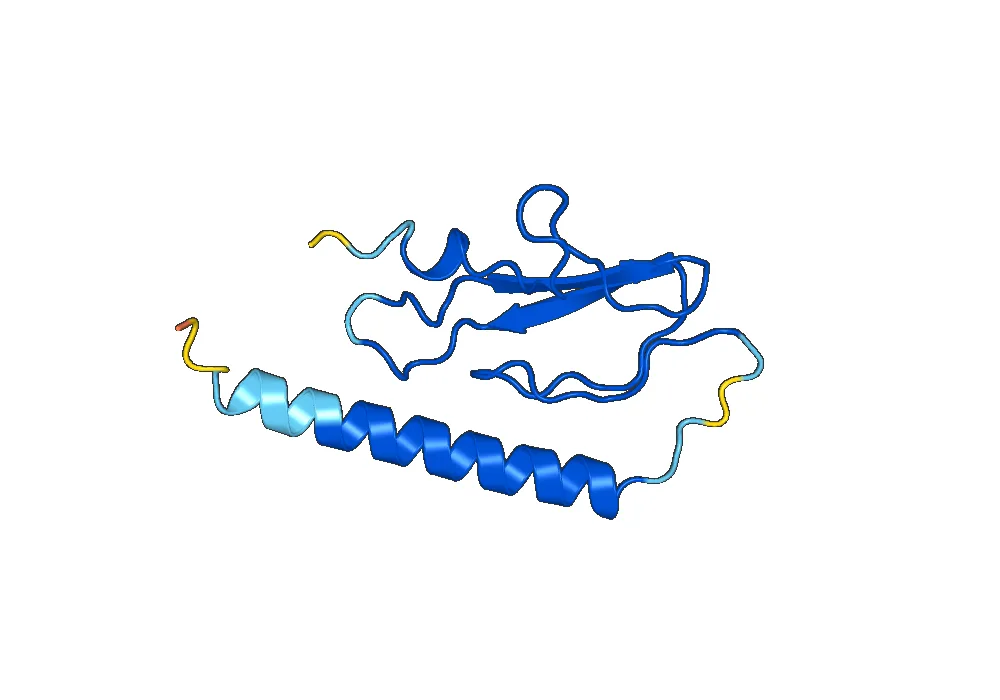
Structure of Recombinant Human S100A12
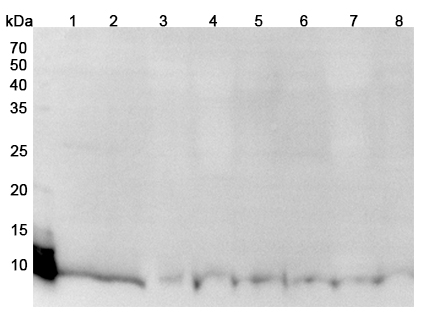
The structure of Recombinant Human S100A12 is composed of two subunits, each containing 92 amino acids. It has a molecular weight of approximately 10 kDa and is highly conserved among different species. The protein contains two calcium-binding EF-hand motifs, which are responsible for its calcium-dependent functions.
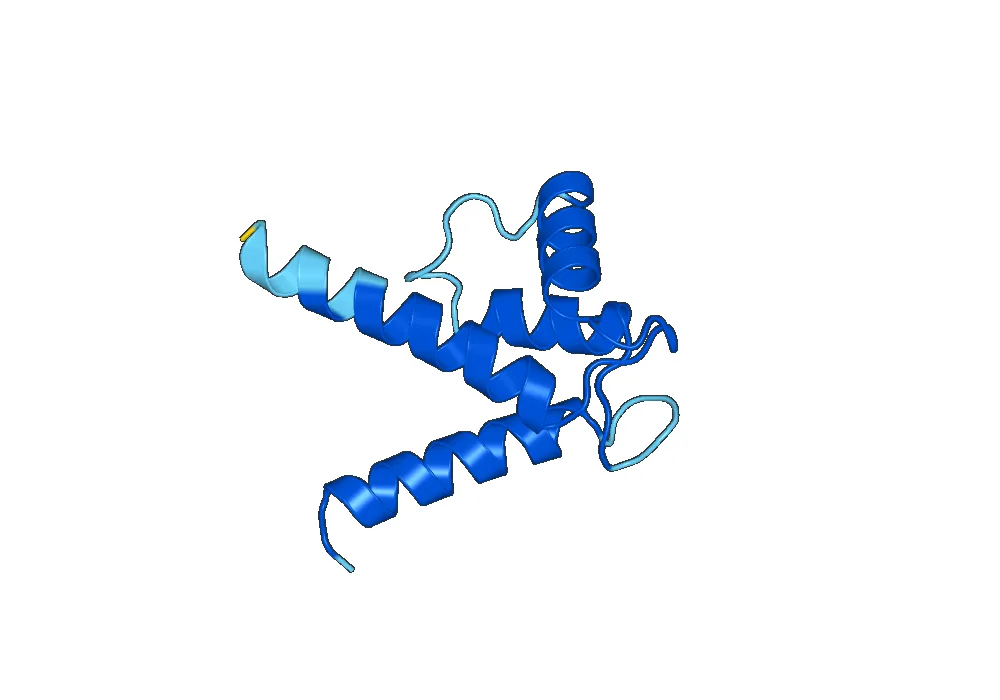
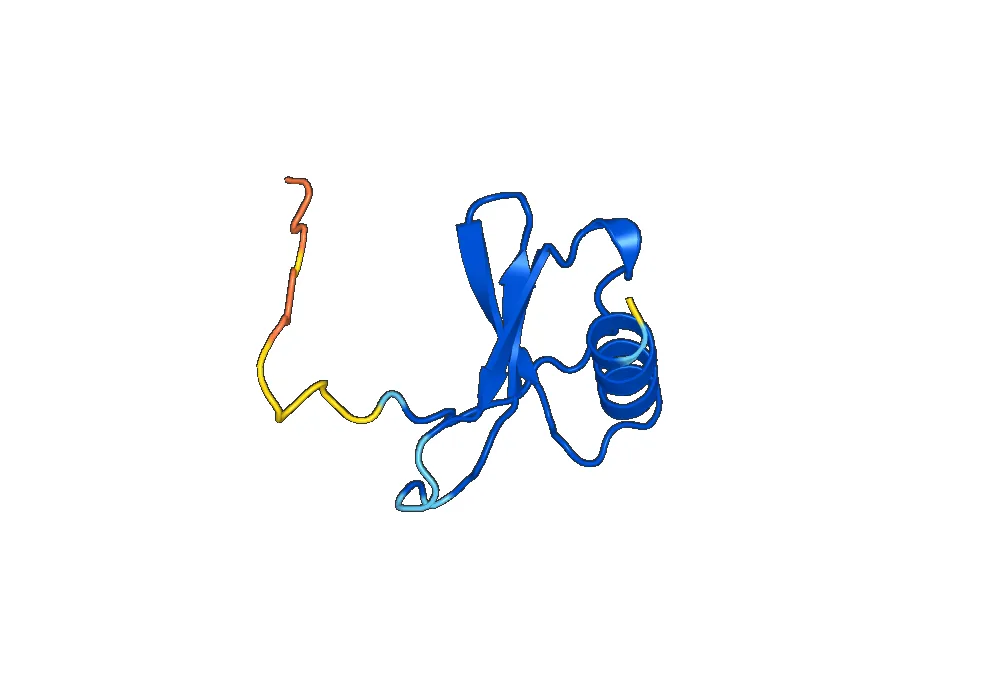
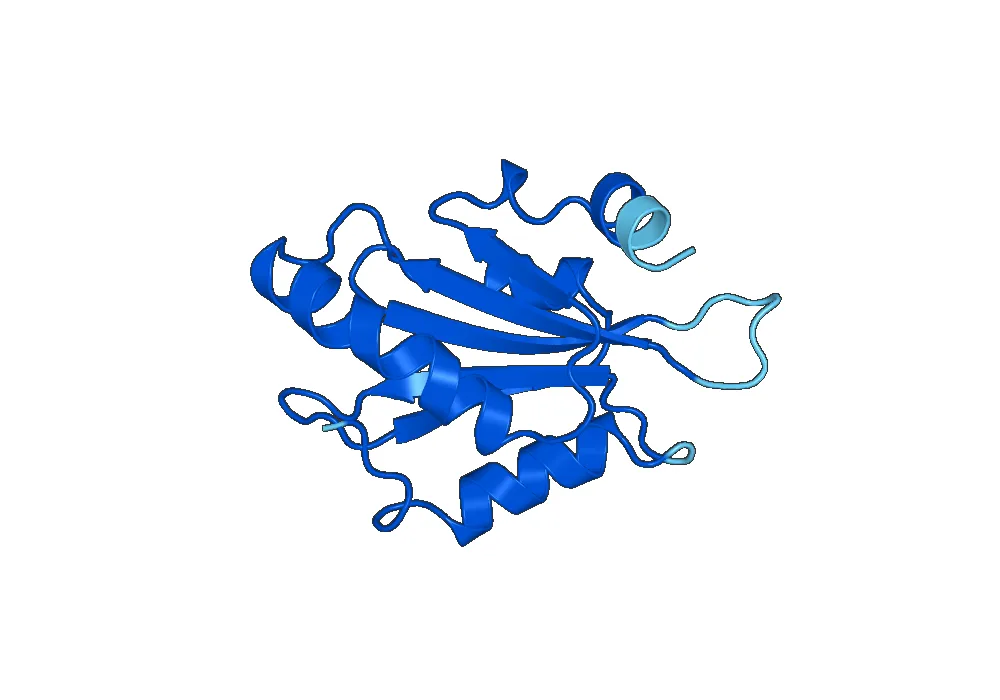
The crystal structure of Recombinant Human S100A12 has been determined, revealing a dimeric structure with each subunit consisting of four alpha-helices and a short beta-sheet. The two subunits are held together by hydrophobic interactions and a network of hydrogen bonds. The calcium ions are coordinated by the EF-hand motifs, which undergo a conformational change upon calcium binding, leading to the activation of the protein.
Activity of Recombinant Human S100A12
Recombinant Human S100A12 is primarily produced by neutrophils, monocytes, and macrophages in response to various inflammatory stimuli. It has been shown to have both pro-inflammatory and anti-inflammatory activities, depending on the context of its expression and the presence of calcium ions.
In its calcium-bound form, Recombinant Human S100A12 acts as a potent chemoattractant for neutrophils, monocytes, and T cells, promoting their migration to the site of inflammation. It also induces the production of pro-inflammatory cytokines, such as TNF-α and IL-1β, by immune cells. Furthermore, it can activate the NF-κB signaling pathway, which plays a crucial role in the regulation of inflammatory responses.
On the other hand, in the absence of calcium ions, Recombinant Human S100A12 has been shown to have anti-inflammatory effects. It can inhibit the production of pro-inflammatory cytokines and promote the differentiation of regulatory T cells, which help to suppress excessive immune responses.
Application of Recombinant Human S100A12
Due to its involvement in various inflammatory diseases, Recombinant Human S100A12 has been studied as a potential biomarker and therapeutic target. Elevated levels of S100A12 have been observed in patients with conditions such as rheumatoid arthritis, inflammatory bowel disease, and psoriasis, making it a promising diagnostic marker for these diseases.
In addition, several studies have investigated the potential of targeting S100A12 for the treatment of inflammatory diseases. One approach is to block its activity using antibodies or small molecule inhibitors. Another strategy is to use recombinant S100A12 as a vaccine to induce immune tolerance and prevent excessive immune responses in autoimmune diseases.
Furthermore, Recombinant Human S100A12 has also been studied in the field of cancer research. It has been shown to promote the growth and metastasis of certain types of cancer, making it a potential target for cancer therapy.
Conclusion
In summary, Recombinant Human S100A12 is a calcium-binding protein that plays a critical role in the immune response and has been identified as a key antigen in various inflammatory diseases. Its structure, activity, and potential applications make it a promising target for the development of diagnostic tools and therapeutic interventions in the field of inflammation and cancer research.
There are no reviews yet.