Introduction to Recombinant Human SEPTIN7 Protein
Recombinant Human SEPTIN7 Protein is a highly purified and biologically active protein that has been produced using recombinant DNA technology. This protein is a member of the septin family, which are a group of GTP-binding proteins involved in a variety of cellular processes, including cell division, cytoskeletal organization, and membrane trafficking. The recombinant form of SEPTIN7 has been engineered to have a high degree of purity and activity, making it a valuable tool for research and potential therapeutic applications.
Structure of Recombinant Human SEPTIN7 Protein
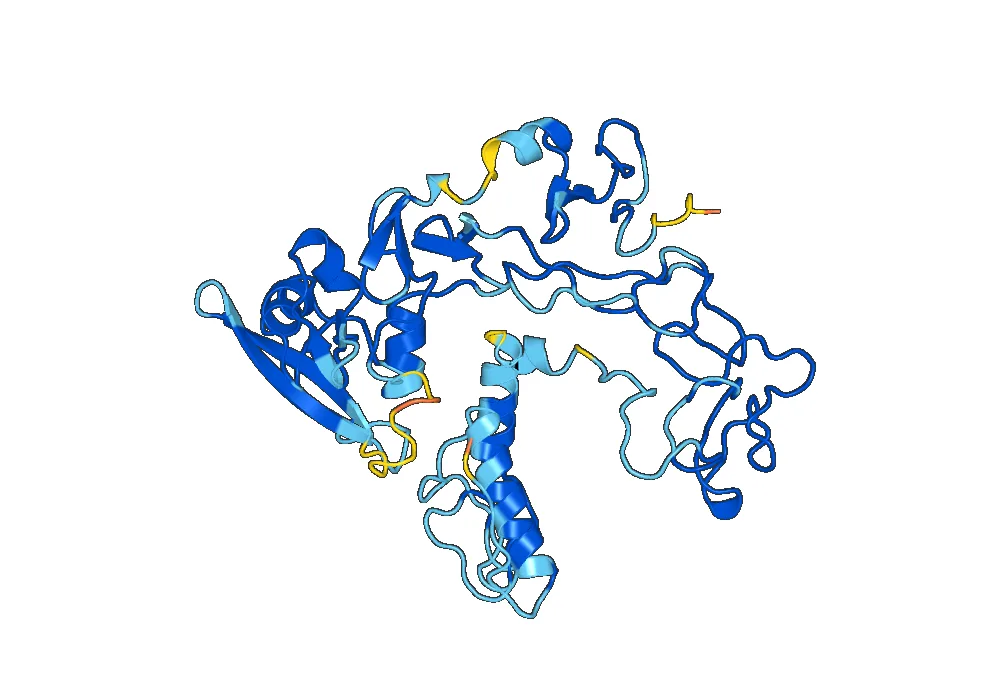
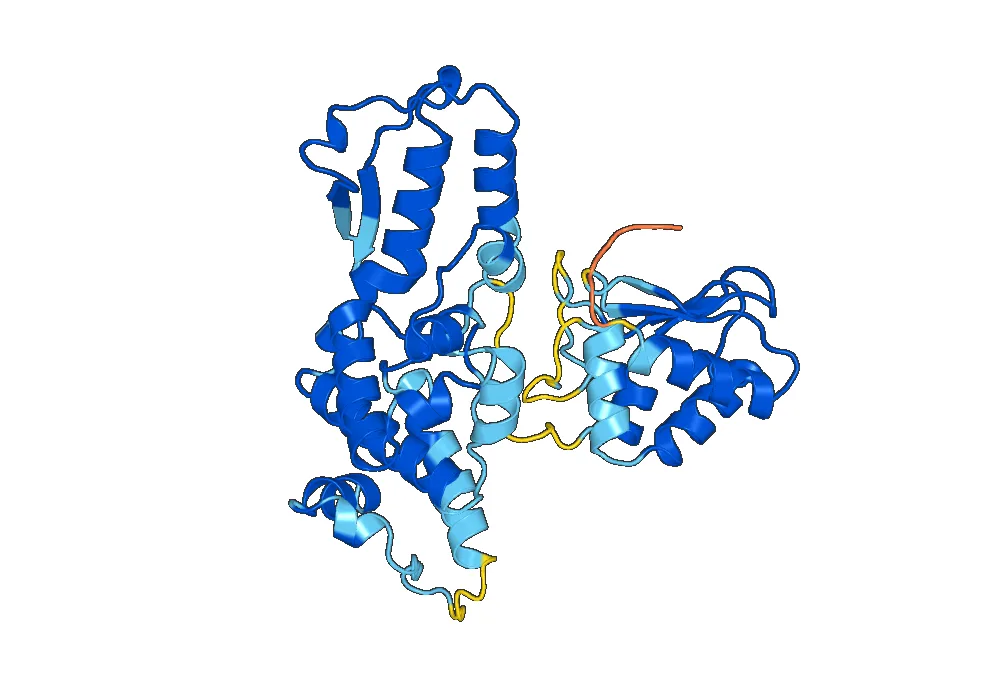
The recombinant form of SEPTIN7 is a 43 kDa protein consisting of 386 amino acids. It contains a conserved GTP-binding domain and a C-terminal coiled-coil domain, which are essential for its biological activity. The protein is expressed in a mammalian cell system, ensuring proper folding and post-translational modifications, resulting in a highly stable and functional protein.
Activity of Recombinant Human SEPTIN7 Protein
Recombinant Human SEPTIN7 Protein is a key regulator of cell division and has been shown to be involved in cytokinesis, the process by which a cell divides into two daughter cells. SEPTIN7 forms a complex with other septin proteins, forming a ring-like structure at the site of cell division. This complex acts as a scaffold, helping to organize and guide the formation of the contractile ring that ultimately divides the cell. In addition to its role in cell division, SEPTIN7 has also been implicated in other cellular processes, such as cell signaling and membrane trafficking.
Application of Recombinant Human SEPTIN7 Protein
Due to its important role in cell division and other cellular processes, Recombinant Human SEPTIN7 Protein has a wide range of potential applications in both research and therapeutic settings. In research, this protein can be used as a tool to study the mechanisms of cell division and other cellular processes. It can also be used to investigate the role of SEPTIN7 in various diseases and disorders, as mutations in septin genes have been linked to several human diseases, including cancer and neurodegenerative disorders.
In therapeutic applications, Recombinant Human SEPTIN7 Protein has the potential to be used as a drug target for the treatment of diseases and disorders that involve abnormal cell division. By targeting SEPTIN7, it may be possible to disrupt the formation of the contractile ring and inhibit cell division, which could be beneficial in the treatment of cancer and other proliferative diseases. Additionally, SEPTIN7 has been shown to play a role in the formation and maintenance of neuronal connections, making it a potential target for the treatment of neurodegenerative disorders.
Conclusion
In summary, Recombinant Human SEPTIN7 Protein is a highly purified and biologically active protein that has been produced using recombinant DNA technology. Its structure, activity, and potential applications make it a valuable tool for research and a promising target for therapeutic interventions. As our understanding of the role of SEPTIN7 in cellular processes continues to grow, the potential applications of this protein are likely to expand, making it an exciting area of research in the field of biology and medicine.

There are no reviews yet.