Recombinant Human SND1: Structure, Activity, and Application
Introduction
Recombinant human SND1 (Staphylococcal nuclease domain-containing protein 1) is a protein that is produced through genetic engineering techniques. It is a highly conserved protein found in both prokaryotic and eukaryotic organisms, and plays a crucial role in various cellular processes. In this article, we will discuss the structure, activity, and application of recombinant human SND1.
Structure
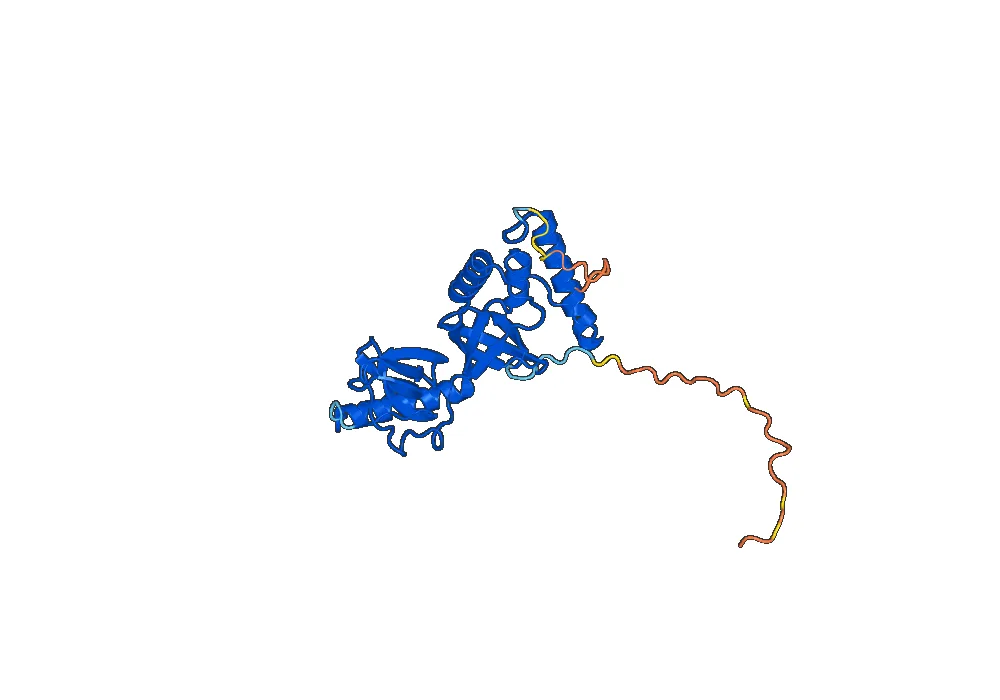
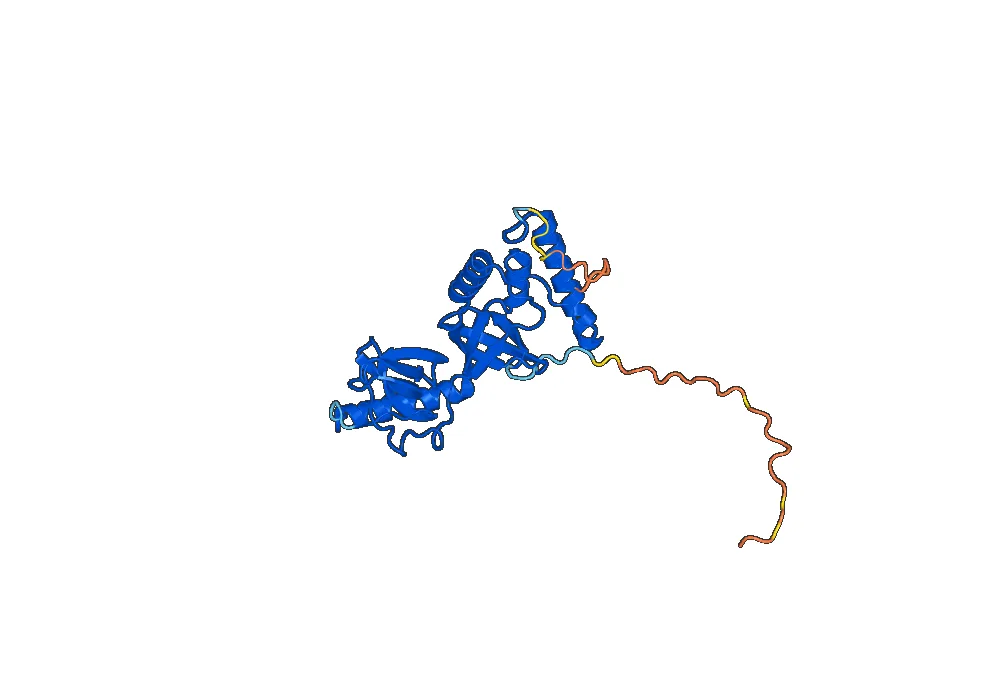
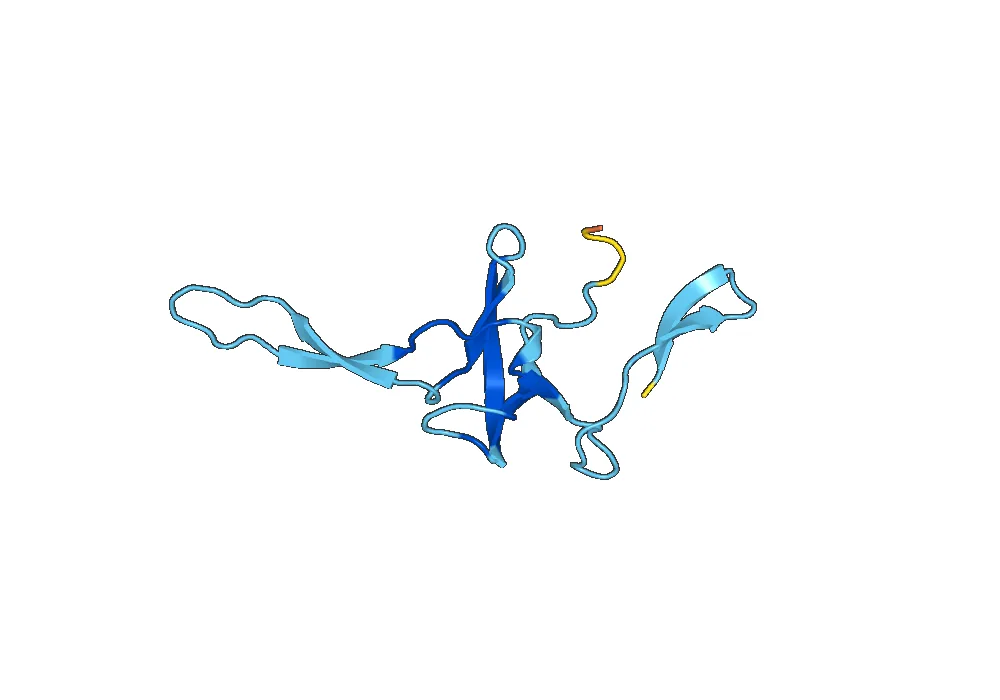
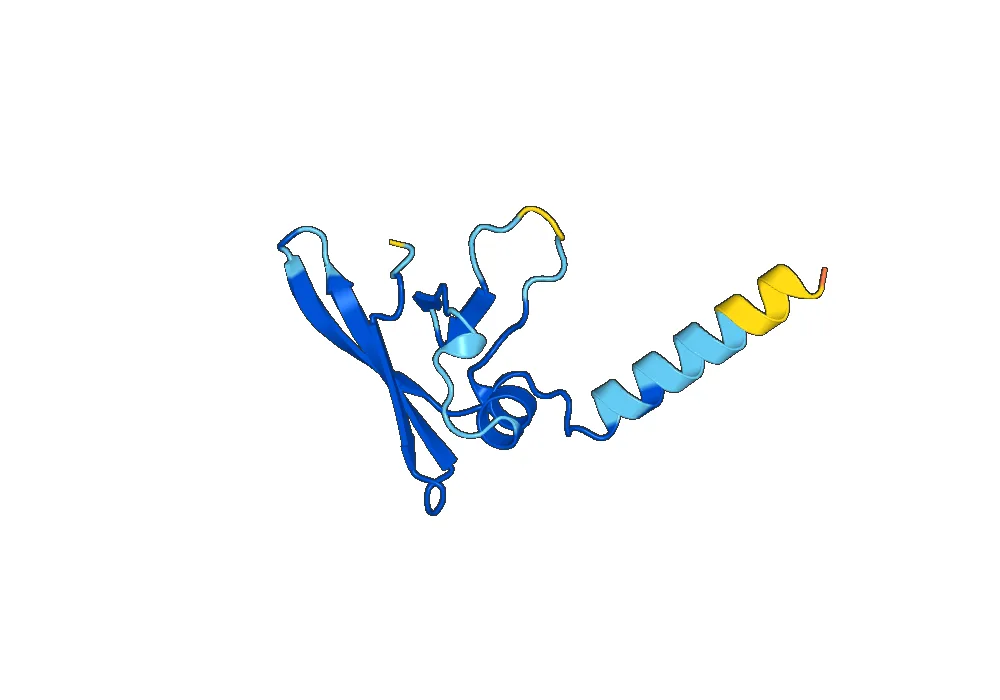
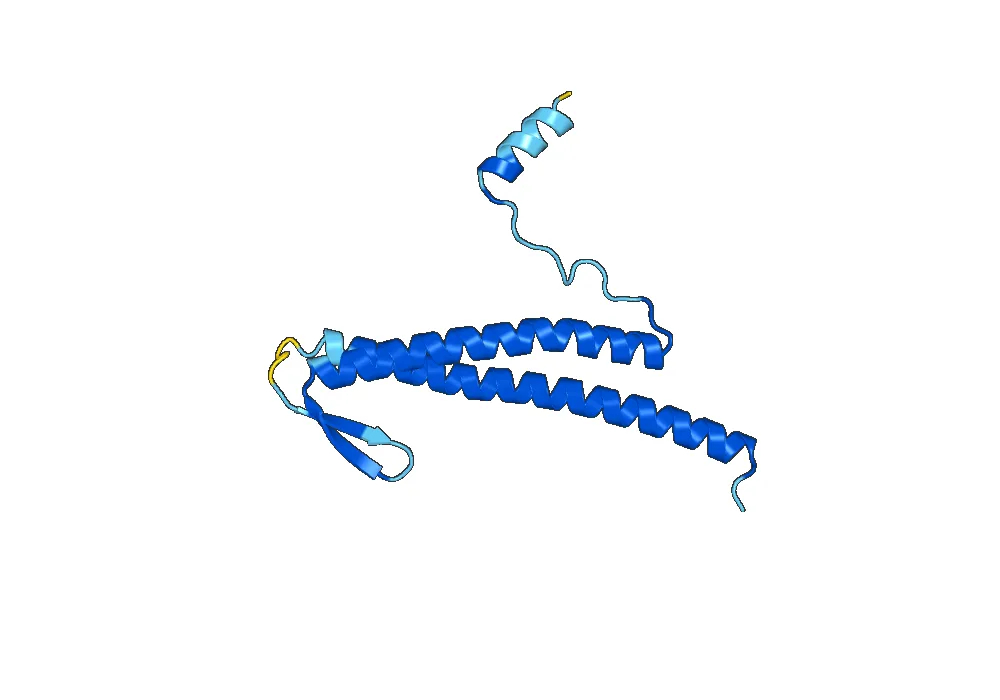
The human SND1 protein is composed of 707 amino acids and has a molecular weight of approximately 78 kDa. It contains several functional domains, including a staphylococcal nuclease-like domain, a coiled-coil domain, and a proline-rich region. The staphylococcal nuclease-like domain is responsible for the nuclease activity of SND1, while the coiled-coil domain is involved in protein-protein interactions.
Recombinant human SND1 is produced by cloning the gene encoding for the protein into a plasmid vector, which is then introduced into a host cell, such as E. coli. The host cell then produces large quantities of the protein, which can be purified and used for various applications.
Activity
The main activity of recombinant human SND1 is its nuclease function. It is able to cleave single-stranded DNA and RNA molecules, making it an essential protein for DNA repair and RNA processing. In addition, SND1 has been shown to have a role in regulating gene expression and protein translation.
Studies have also shown that SND1 is involved in various cellular processes, such as cell growth, proliferation, and differentiation. It has been found to interact with other proteins and regulate their activity, indicating its role in maintaining cellular homeostasis.
Application
Due to its diverse functions, recombinant human SND1 has a wide range of applications in both research and industry. One of its main applications is in gene expression studies, where it is used to regulate the expression of specific genes of interest. It can also be used to study the role of SND1 in various cellular processes, such as DNA repair and RNA processing.
In addition, recombinant human SND1 has potential therapeutic applications. It has been shown to play a role in cancer progression and metastasis, making it a potential target for cancer treatment. Furthermore, its nuclease activity can be utilized for gene therapy, where it can be used to specifically target and cleave disease-causing genes.
In the biotechnology industry, recombinant human SND1 is used for the production of recombinant proteins. Its nuclease activity can be used to cleave fusion proteins and remove unwanted tags, resulting in a pure and functional protein product.
Conclusion
Recombinant human SND1 is a highly versatile protein with important functions in various cellular processes. Its structure, activity, and application have been extensively studied, and it has shown promising potential in both research and industry. As more studies are conducted, the full potential of recombinant human SND1 in various fields will continue to be explored.
There are no reviews yet.