Introduction to Recombinant Human SPARC/Osteonectin Protein
Recombinant Human SPARC/Osteonectin Protein, also known as Secreted Protein Acidic and Rich in Cysteine (SPARC) or Osteonectin, is a multifunctional glycoprotein that plays an important role in various biological processes. It was first identified in 1983 as a non-collagenous protein secreted by osteoblasts and was later found to be expressed in various other tissues including bone, cartilage, and connective tissue. Recombinant Human SPARC/Osteonectin Protein is now widely used in research and has potential applications in various fields including regenerative medicine and cancer therapy.
Structure of Recombinant Human SPARC/Osteonectin Protein
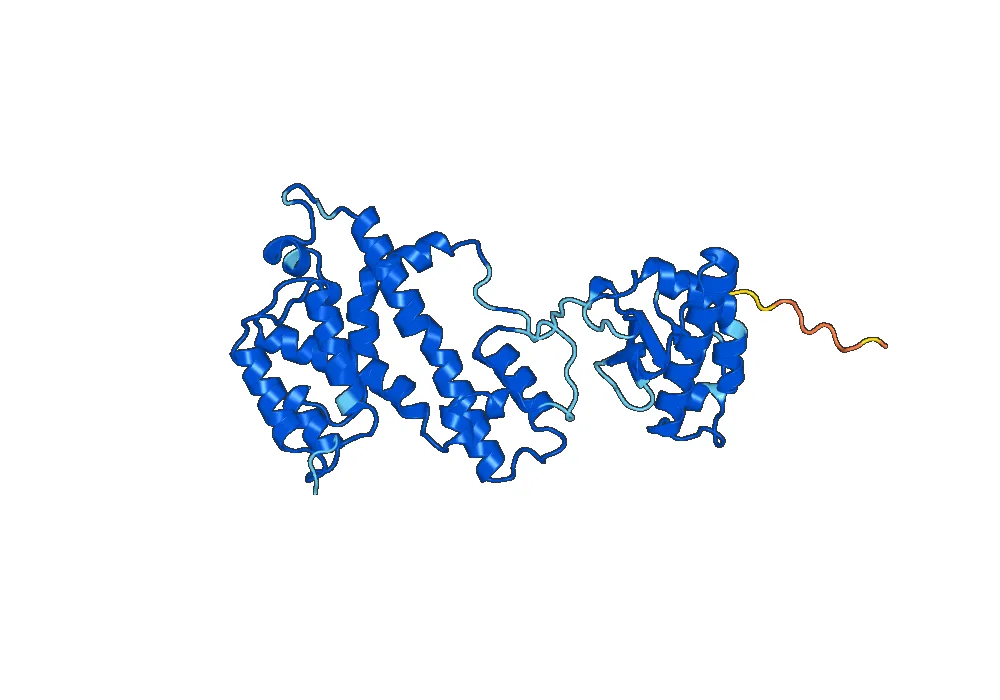
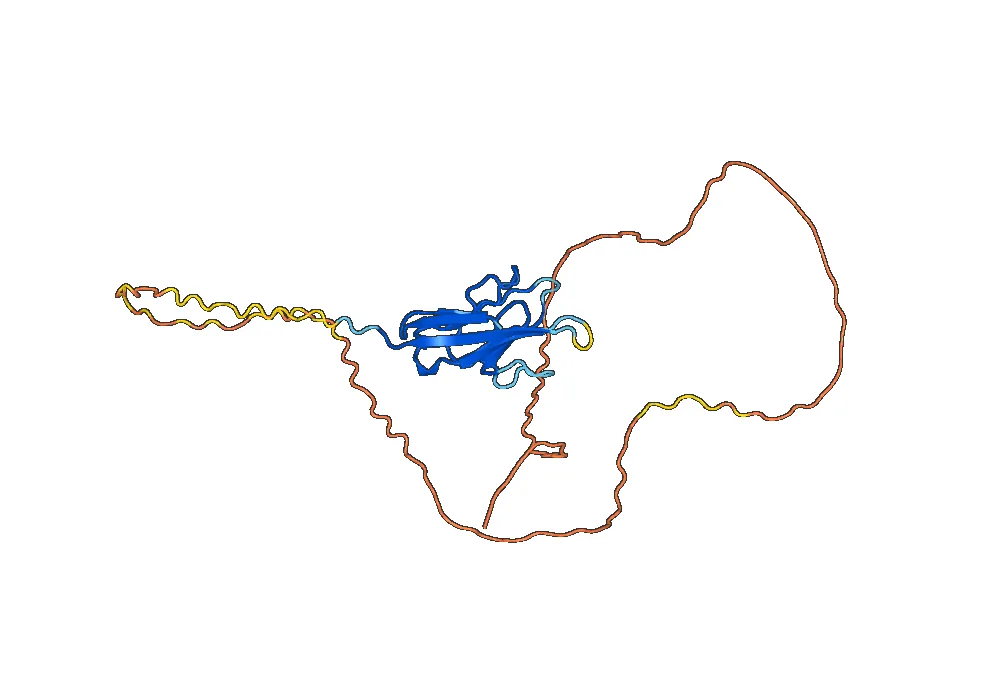
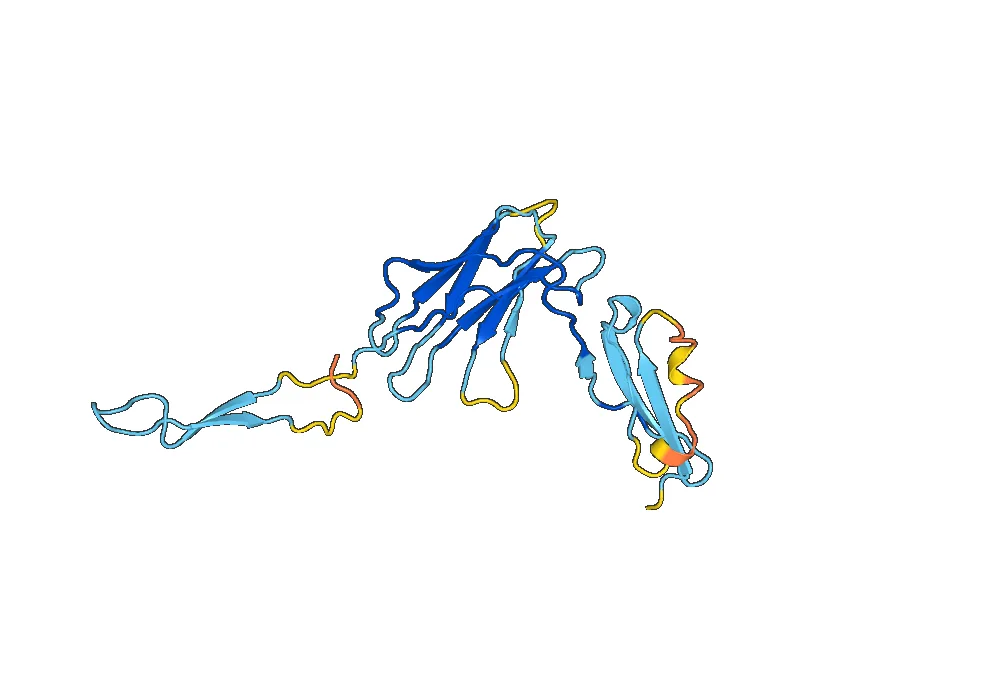
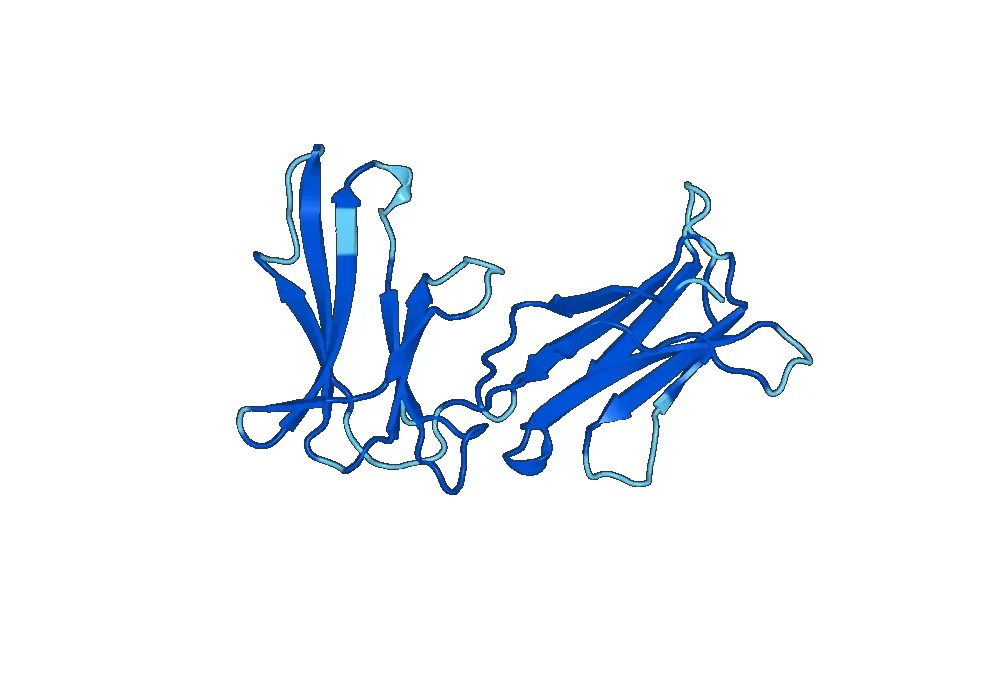
Recombinant Human SPARC/Osteonectin Protein is a 32 kDa glycoprotein composed of 303 amino acids. It is encoded by the SPARC gene located on chromosome 5q31.2 in humans. The protein consists of three domains: an N-terminal acidic domain, a follistatin-like domain, and a C-terminal extracellular calcium-binding domain. The acidic domain is responsible for the protein’s high negative charge, while the follistatin-like domain is involved in protein-protein interactions. The calcium-binding domain is essential for the protein’s function in cell adhesion and signaling.
Activity of Recombinant Human SPARC/Osteonectin Protein
Recombinant Human SPARC/Osteonectin Protein has a wide range of biological activities, including cell adhesion, proliferation, differentiation, and migration. It also plays a crucial role in tissue remodeling and wound healing. The protein is known to interact with various extracellular matrix proteins, such as collagen, fibronectin, and laminin, and modulate their functions. It also binds to growth factors and cytokines, regulating their signaling pathways. Moreover, Recombinant Human SPARC/Osteonectin Protein has been shown to have anti-angiogenic and anti-tumor properties, making it a potential target for cancer therapy.
Application of Recombinant Human SPARC/Osteonectin Protein
Due to its diverse range of activities, Recombinant Human SPARC/Osteonectin Protein has potential applications in various fields, including regenerative medicine and cancer therapy. In regenerative medicine, the protein has been shown to promote bone formation and enhance the healing of bone defects. It has also been studied for its potential in promoting the repair of cartilage and other connective tissues. In cancer therapy, Recombinant Human SPARC/Osteonectin Protein has been investigated as a potential anti-tumor agent. It has been shown to inhibit the growth and metastasis of various types of cancer cells, making it a promising candidate for targeted cancer therapy.
Recombinant Protein Production
Recombinant Human SPARC/Osteonectin Protein can be produced using recombinant DNA technology. The gene encoding the protein is cloned into a suitable expression vector and transfected into host cells, such as bacteria or mammalian cells. The cells then produce large quantities of the protein, which can be purified and used for research or therapeutic purposes. Recombinant Human SPARC/Osteonectin Protein produced in this way is highly pure and has consistent quality, making it a valuable tool for scientific studies.
Antigen Detection
Recombinant Human SPARC/Osteonectin Protein can also be used as an antigen for detection in diagnostic assays. Antibodies against the protein can be generated and used to detect its presence in biological samples. This can be useful in the diagnosis of diseases where SPARC/Osteonectin levels are altered, such as cancer and osteoporosis. The high specificity and sensitivity of recombinant protein-based assays make them valuable tools in

There are no reviews yet.