Introduction
Recombinant human STX3 protein is a highly purified form of the STX3 protein, which is a member of the SNARE protein family. SNARE proteins play a crucial role in the process of membrane fusion, which is essential for various cellular processes such as neurotransmitter release, hormone secretion, and vesicle trafficking. Recombinant human STX3 protein has been extensively studied and has been found to have important implications in various biological processes. In this article, we will discuss the structure, activity, and application of recombinant human STX3 protein.
Structure of Recombinant Human STX3 Protein
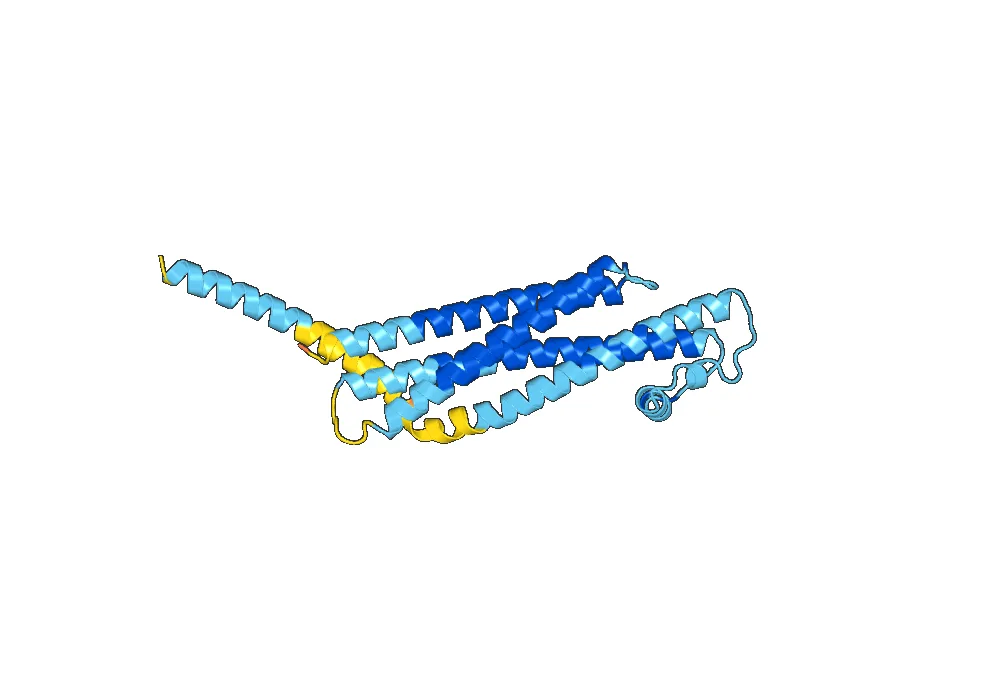
The STX3 gene is located on chromosome 1 in humans and encodes for the STX3 protein, which is composed of 289 amino acids. The recombinant human STX3 protein is produced by cloning the STX3 gene into an expression vector and expressing it in a suitable host cell. The resulting protein is then purified to obtain a highly pure form of recombinant human STX3 protein.
The primary structure of the recombinant human STX3 protein is similar to that of other SNARE proteins, with a conserved SNARE domain at the C-terminus. This domain is responsible for the interaction with other SNARE proteins and is essential for the formation of the SNARE complex. The N-terminus of the protein contains a transmembrane domain, which anchors the protein to the membrane. The recombinant human STX3 protein also contains a linker region between the SNARE domain and the transmembrane domain, which is important for the regulation of its activity.
Activity of Recombinant Human STX3 Protein
The primary function of the recombinant human STX3 protein is to mediate membrane fusion. This process involves the formation of a SNARE complex between the STX3 protein and other SNARE proteins, which brings the membranes of two different cellular compartments in close proximity. This allows for the fusion of the membranes and the exchange of contents between the compartments.
Apart from its role in membrane fusion, recombinant human STX3 protein has also been found to play a crucial role in other cellular processes. It has been shown to be involved in the regulation of exocytosis, which is the process of releasing substances from a cell. It also has a role in the formation and maintenance of the Golgi apparatus, which is responsible for the processing and sorting of proteins in the cell.
Application of Recombinant Human STX3 Protein
Recombinant human STX3 protein has a wide range of applications in both research and clinical settings. Its role in membrane fusion and exocytosis makes it a valuable tool for studying the mechanisms of these processes. It has been used to study neurotransmitter release in neurons and hormone secretion in endocrine cells. It has also been used to investigate the role of SNARE proteins in diseases such as Alzheimer’s and Parkinson’s.
In clinical settings, recombinant human STX3 protein has shown potential as a therapeutic target for various diseases. It has been found to be involved in insulin secretion and glucose metabolism, making it a potential target for the treatment of diabetes. It has also been linked to cancer progression and has been explored as a potential target for cancer therapy.
Conclusion
Recombinant human STX3 protein is a highly purified form of the STX3 protein, which plays a crucial role in membrane fusion and other cellular processes. Its structure, activity, and applications have been extensively studied, and it has been found to have important implications in various biological processes. With ongoing research, recombinant human STX3 protein has the potential to further our understanding of cellular mechanisms and provide new avenues for therapeutic interventions.


There are no reviews yet.