Introduction
Recombinant proteins have revolutionized the field of biotechnology and have become essential tools for various applications in research, diagnostics, and therapeutics. One such protein is the Recombinant Human TIMM9 Protein, which has gained significant attention due to its unique structure, diverse functions, and potential applications. In this article, we will explore the structure, activity, and applications of this protein in detail.
Structure of Recombinant Human TIMM9 Protein
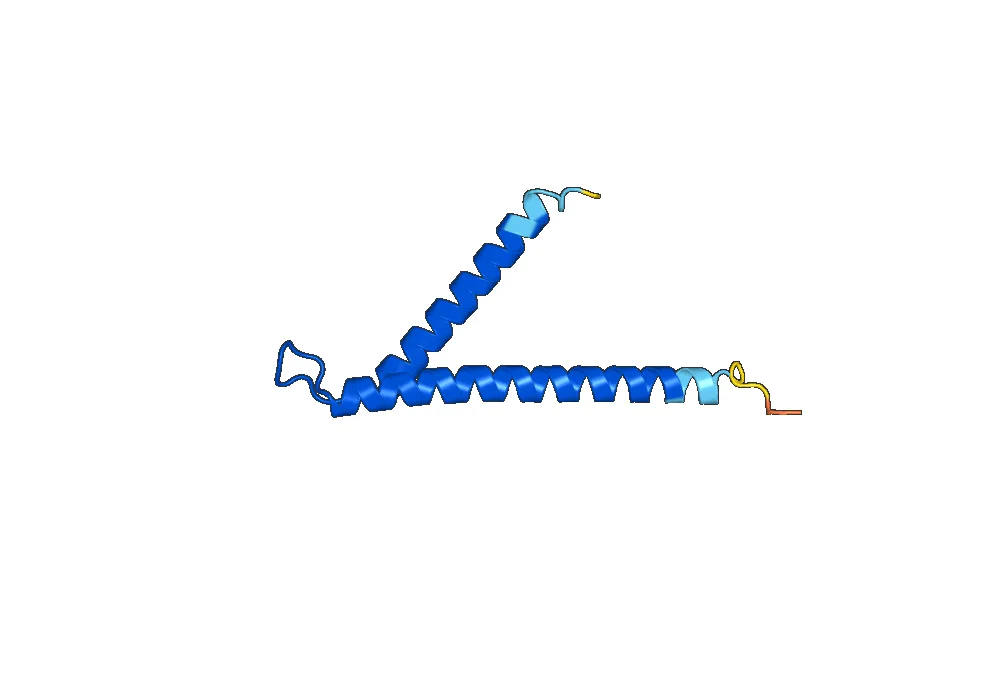
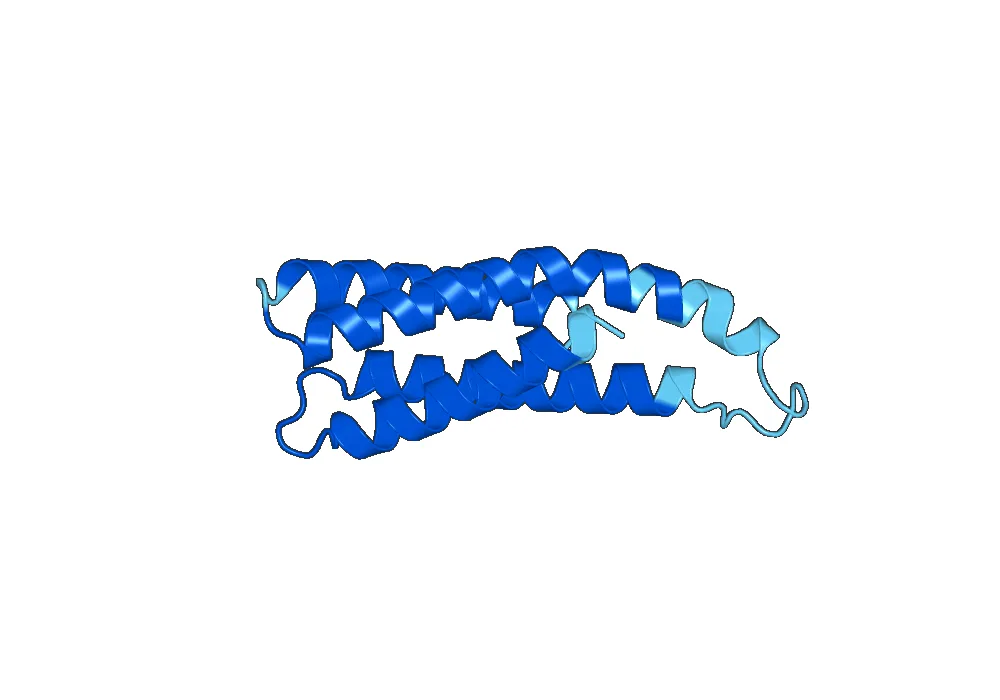
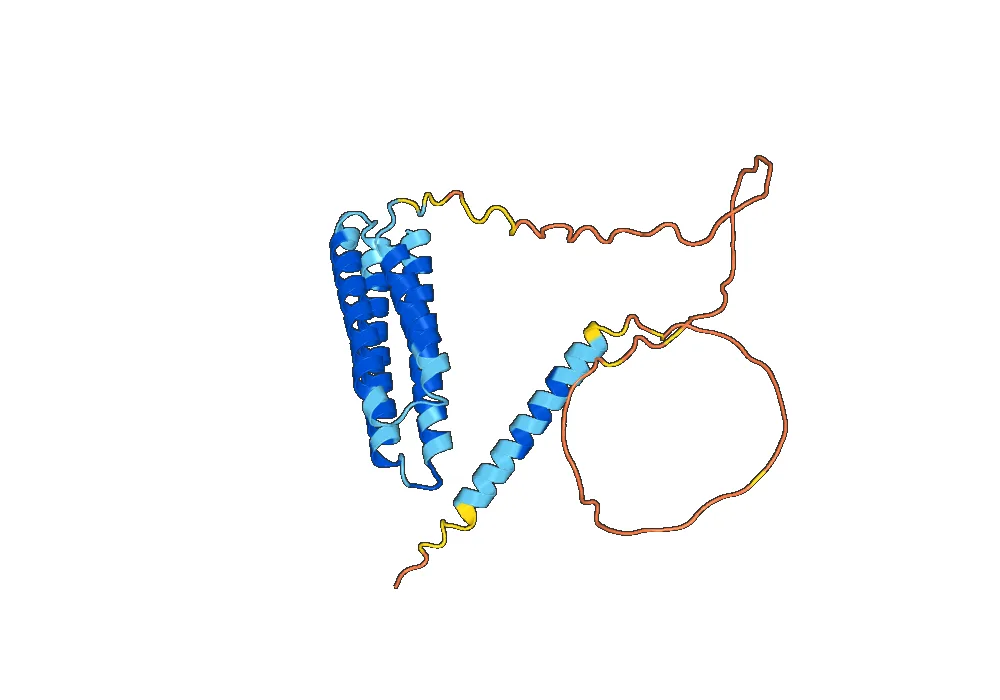
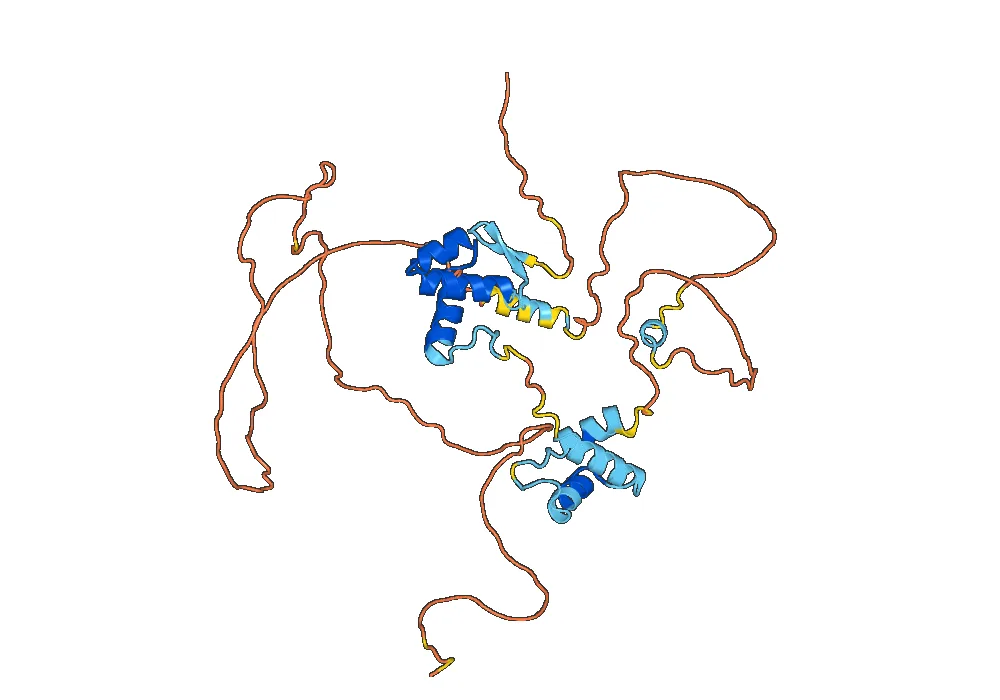
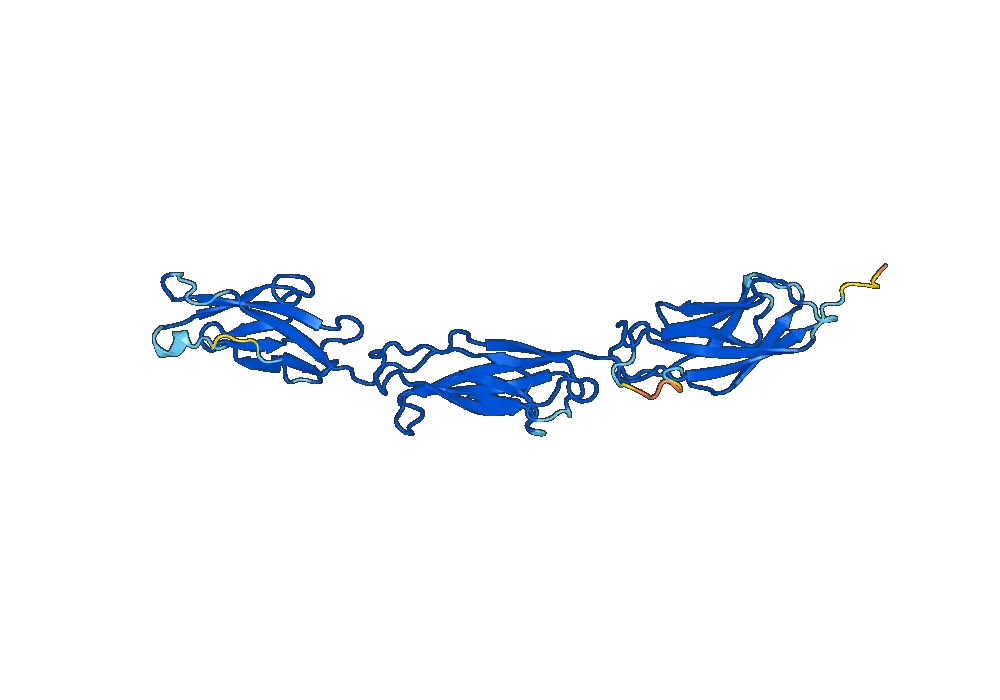
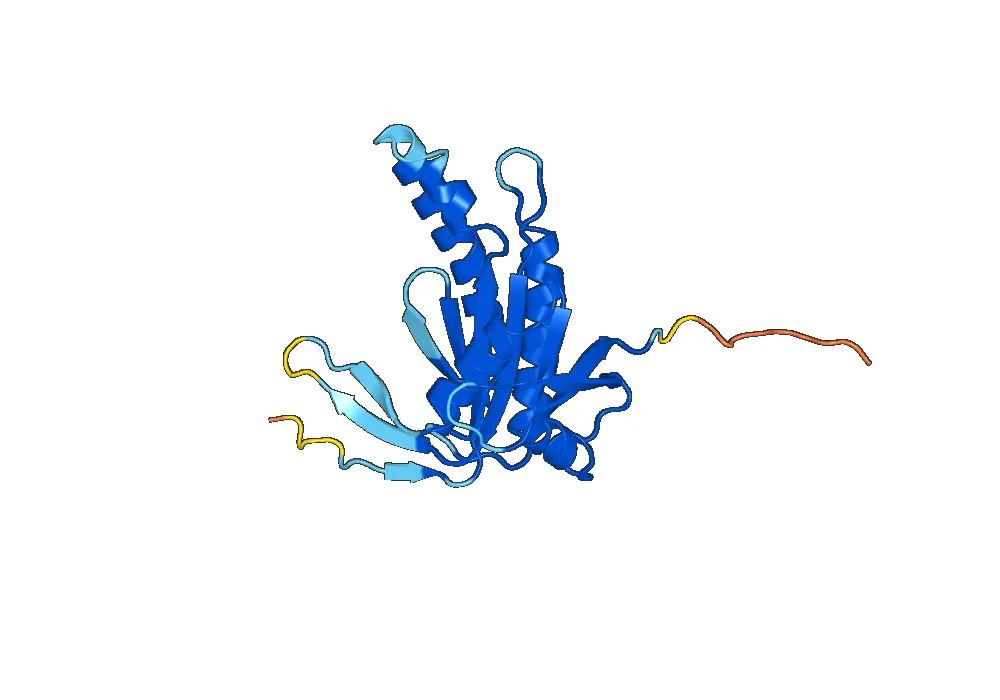
The TIMM9 gene encodes for the translocase of inner mitochondrial membrane 9 protein, also known as TIM9. It is a member of the TIM family of proteins, which are involved in the import of mitochondrial proteins. The human TIMM9 protein consists of 99 amino acids and has a molecular weight of approximately 11 kDa. It has a conserved TIM barrel domain, which is characteristic of the TIM family of proteins.
The recombinant form of TIMM9 protein is produced by cloning the TIMM9 gene into an expression vector and expressing it in a suitable host system, such as E. coli or yeast. This allows for large-scale production of the protein, which can then be purified using various chromatographic techniques. The purified protein is then used for various applications.
Activity of Recombinant Human TIMM9 Protein
The TIMM9 protein is primarily involved in the import of mitochondrial proteins, specifically those with an N-terminal targeting sequence. It forms a complex with other TIM proteins, including TIMM10 and TIMM12, to facilitate the translocation of proteins into the inner mitochondrial membrane. This process is essential for maintaining the proper functioning of mitochondria, which play a crucial role in cellular metabolism and energy production.
In addition to its role in protein import, TIMM9 has also been shown to interact with other proteins involved in mitochondrial function, such as the mitochondrial chaperone Hsp70. This interaction is important for the proper folding and assembly of mitochondrial proteins. TIMM9 has also been implicated in the regulation of apoptosis, as it has been found to interact with pro-apoptotic proteins and modulate their activity.
Applications of Recombinant Human TIMM9 Protein
The unique structure and diverse functions of TIMM9 make it a valuable tool for various applications in the field of biotechnology. One of the main applications of recombinant TIMM9 protein is in the study of mitochondrial protein import. By using purified recombinant protein, researchers can gain a better understanding of the mechanisms involved in this process and how it is regulated.
Recombinant TIMM9 protein is also used in the development of diagnostic assays for mitochondrial disorders. Mutations in the TIMM9 gene have been linked to various mitochondrial diseases, and the use of recombinant protein can aid in the identification and characterization of these mutations.
Furthermore, the potential role of TIMM9 in apoptosis regulation makes it a promising target for drug development. Recombinant TIMM9 protein can be used in screening assays to identify small molecules that can modulate its activity and potentially have therapeutic effects in diseases involving dysregulated apoptosis.
Conclusion
In summary, Recombinant Human TIMM9 Protein is a valuable tool in the field of biotechnology due to its unique structure, diverse functions, and potential applications. Its role in mitochondrial protein import, interaction with other proteins, and potential involvement in apoptosis regulation make it an important protein for research and development. As technology continues to advance, the use of recombinant proteins like TIMM9 will only continue to expand, leading to further advancements in various fields.


There are no reviews yet.