Introduction
Recombinant Human TMLHE Protein, also known as Trimethyllysine dioxygenase, is a type of recombinant protein that plays a crucial role in the metabolism of dietary carnitine and the production of the amino acid L-carnitine. This protein is encoded by the TMLHE gene and is essential for proper functioning of the human body. In this article, we will discuss the structure, activity, and applications of Recombinant Human TMLHE Protein.
Structure of Recombinant Human TMLHE Protein
Recombinant Human TMLHE Protein is a 44 kDa protein consisting of 406 amino acids. It belongs to the non-heme Fe(II)-dependent oxygenase family and contains a conserved Fe(II)- and 2-oxoglutarate (2OG)-dependent oxygenase domain. The protein also has a C-terminal catalytic domain and an N-terminal regulatory domain.
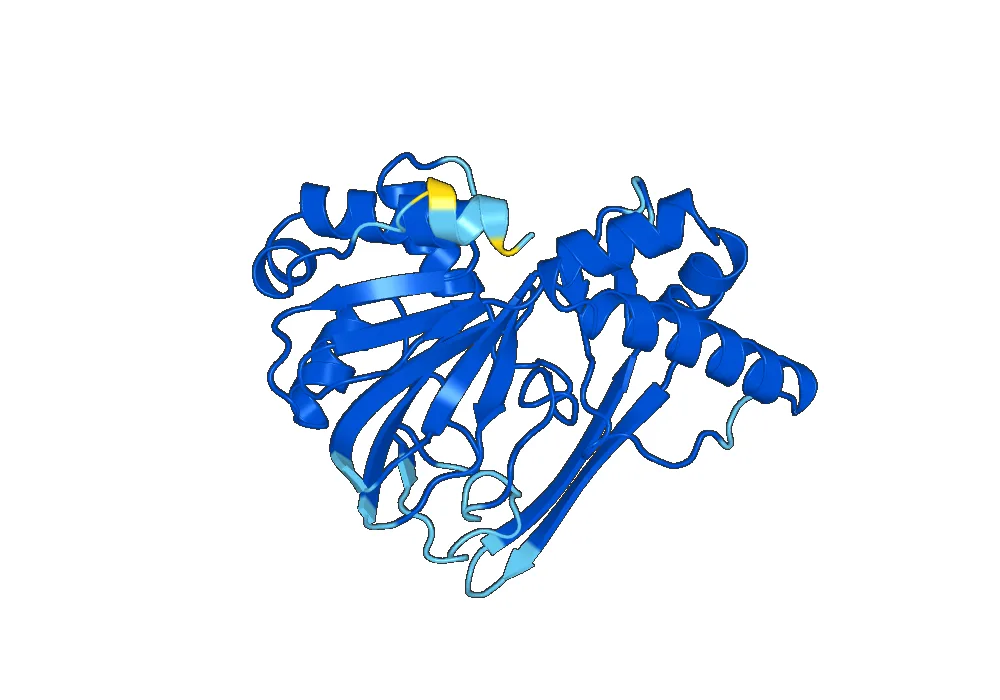
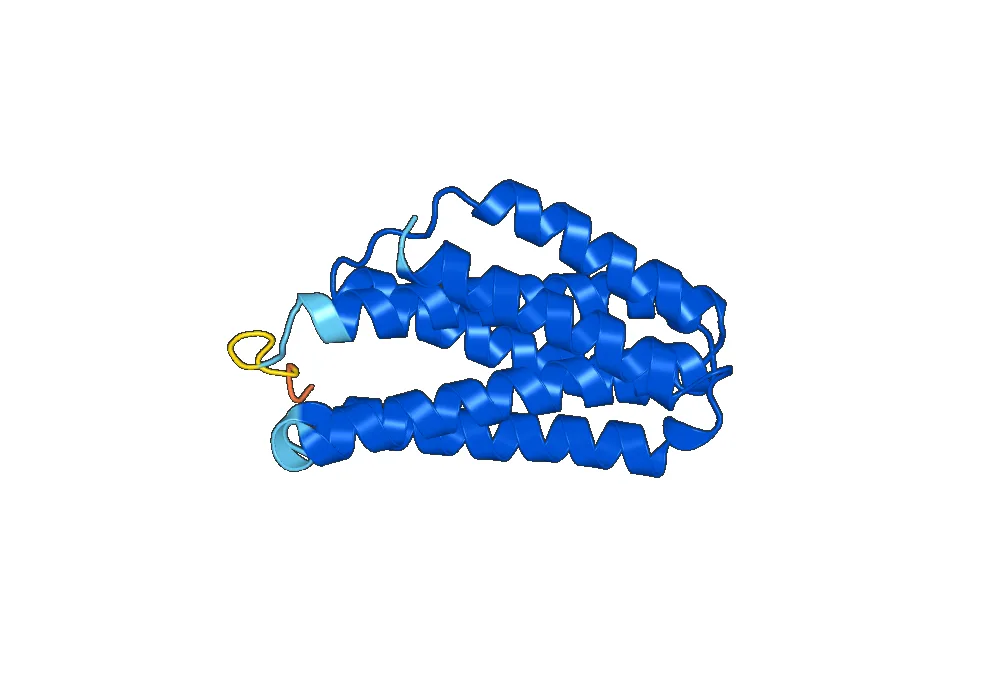
The crystal structure of Recombinant Human TMLHE Protein has been determined, revealing a homodimeric structure with each monomer containing a central β-sheet surrounded by α-helices. The active site of the protein is located at the interface of the two monomers and contains the Fe(II) binding site and the 2OG binding site.
Activity of Recombinant Human TMLHE Protein
The main function of Recombinant Human TMLHE Protein is to catalyze the hydroxylation of trimethyllysine, an intermediate in the metabolism of dietary carnitine, to form hydroxyltrimethyllysine. This reaction requires molecular oxygen, Fe(II), and 2OG as co-factors. The hydroxylation of trimethyllysine is a crucial step in the production of L-carnitine, which is essential for the transport of fatty acids into the mitochondria for energy production.
In addition to its role in carnitine metabolism, Recombinant Human TMLHE Protein has also been found to be involved in the regulation of gene expression. It has been shown to interact with transcription factors and co-activators, suggesting a potential role in transcriptional regulation.
Applications of Recombinant Human TMLHE Protein
Recombinant Human TMLHE Protein has a wide range of applications in both research and clinical settings. One of its main applications is in the study of carnitine metabolism and its role in various diseases. Defects in the TMLHE gene have been linked to primary carnitine deficiency, a rare metabolic disorder characterized by low levels of carnitine in the body. Recombinant Human TMLHE Protein can be used to study the effects of these mutations and to develop potential treatments for this condition.
The protein also has potential therapeutic applications in the treatment of other diseases. Studies have shown that Recombinant Human TMLHE Protein can improve insulin sensitivity and reduce inflammation, making it a potential target for the treatment of diabetes and other metabolic disorders.
Recombinant Human TMLHE Protein is also used in biochemical and biophysical studies to understand its structure and function. It can be produced in large quantities using recombinant DNA technology, making it a valuable tool for researchers studying protein-protein interactions, enzymatic activity, and other biochemical processes.
Conclusion
In conclusion, Recombinant Human TMLHE Protein is a vital protein involved in the metabolism of carnitine and the production of L-carnitine. Its crystal structure has been determined, and its activity has been extensively studied. The protein has a wide range of applications in research and medicine, making it an important target for further studies and potential therapeutic interventions.


There are no reviews yet.