The Structure and Function of Recombinant Human TPH2 Protein
Introduction
Recombinant proteins are proteins that are produced through genetic engineering techniques, specifically by inserting a gene encoding for a specific protein into a host organism. These proteins have a wide range of applications in research, medicine, and industry. One such recombinant protein is the Human TPH2 protein, which plays a crucial role in the synthesis of serotonin, a neurotransmitter that regulates mood, sleep, and other important physiological processes.
Structure of Recombinant Human TPH2 Protein
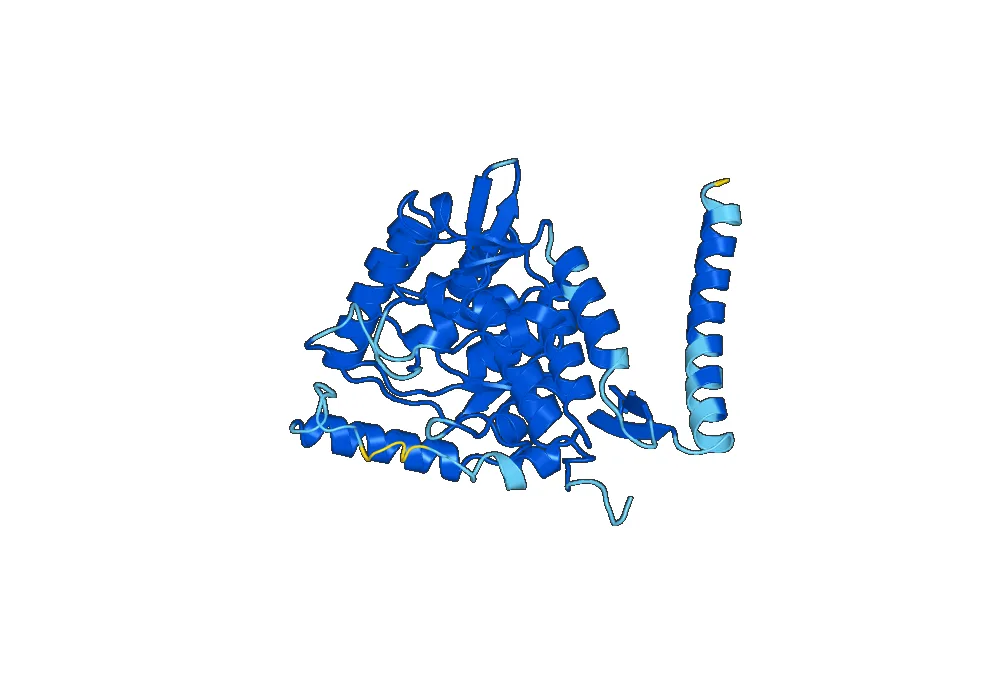
The human TPH2 gene is located on chromosome 12 and encodes for a protein with a molecular weight of approximately 56 kDa. The recombinant form of this protein is produced in a bacterial host, usually E. coli, and has a similar structure to the native form found in humans. The recombinant protein consists of 490 amino acids and has a similar tertiary structure to other aromatic amino acid hydroxylases.
Domain Structure
The recombinant human TPH2 protein contains three domains: an N-terminal regulatory domain, a central catalytic domain, and a C-terminal tetramerization domain. The N-terminal regulatory domain is responsible for binding to regulatory proteins and modulating the activity of the enzyme. The catalytic domain contains the active site of the enzyme and is responsible for the conversion of tryptophan to 5-hydroxytryptophan. The C-terminal domain is involved in the formation of the tetrameric structure of the protein, which is necessary for its enzymatic activity.
Post-Translational Modifications
After translation, the recombinant human TPH2 protein undergoes several post-translational modifications, including phosphorylation and glycosylation. Phosphorylation of specific amino acid residues has been shown to regulate the activity of the protein. Glycosylation, on the other hand, is important for the stability and proper folding of the protein.
Activity of Recombinant Human TPH2 Protein
The primary function of the recombinant human TPH2 protein is the conversion of tryptophan to 5-hydroxytryptophan, which is the first and rate-limiting step in the synthesis of serotonin. Serotonin is an important neurotransmitter that is involved in regulating mood, sleep, appetite, and other physiological processes. The activity of the recombinant protein can be regulated by various factors, including the availability of its substrate, tryptophan, and the binding of regulatory proteins to the N-terminal domain.
Enzymatic Activity Assays
The activity of recombinant human TPH2 protein can be measured using various enzymatic activity assays. One commonly used assay is the spectrophotometric measurement of the conversion of tryptophan to 5-hydroxytryptophan. This assay is based on the detection of the absorbance of the product at a specific wavelength. Other assays, such as high-performance liquid chromatography (HPLC), can also be used to measure the activity of the enzyme.
Applications of Recombinant Human TPH2 Protein
The recombinant human TPH2 protein has various applications in both research and medicine. In research, it is used to study the mechanism of serotonin synthesis and regulation, as well as the role of serotonin in various physiological processes. In medicine, the recombinant protein can be used as an antigen in the development of diagnostic tests for serotonin-related disorders, such as depression and anxiety. It can also be used in drug discovery and development, as targeting the serotonin system has been shown to be effective in treating these disorders.
Future Directions
With the increasing understanding of the role of serotonin in various physiological processes and its involvement in various disorders, the demand for recombinant human TPH2 protein is expected to grow. Further research on the structure and function of this protein may lead to the development of new therapeutic strategies for


There are no reviews yet.