Introduction to Recombinant Human TREM2 Protein
Recombinant Human TREM2 Protein, also known as Triggering Receptor Expressed on Myeloid Cells 2, is a type I transmembrane glycoprotein that belongs to the immunoglobulin superfamily. It is encoded by the TREM2 gene and is expressed on the surface of myeloid cells, including macrophages, microglia, and dendritic cells. This protein plays a crucial role in the immune response and has been implicated in various diseases, making it a valuable tool for research and therapeutic applications.
Structure of Recombinant Human TREM2 Protein
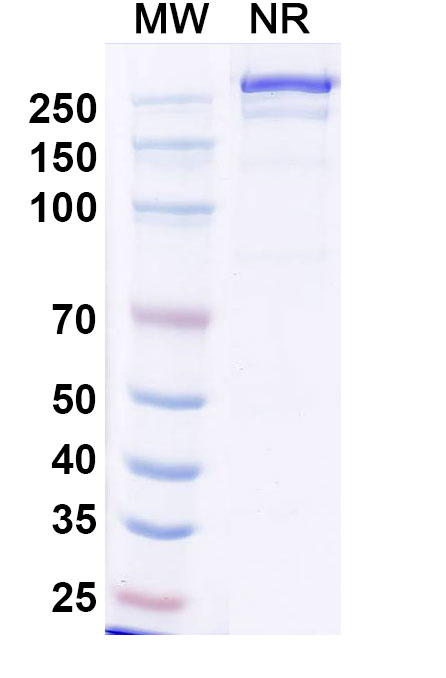
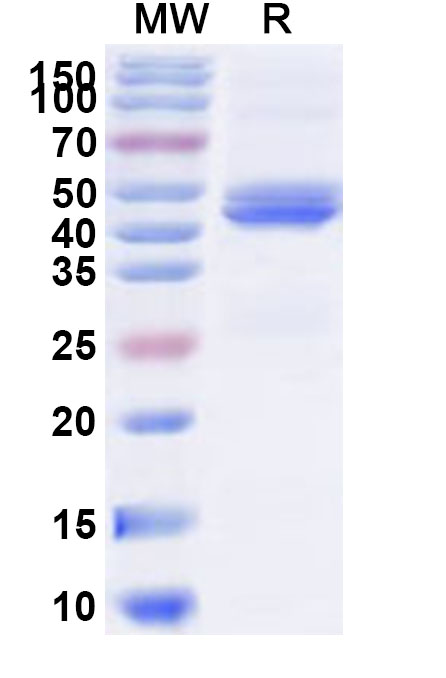
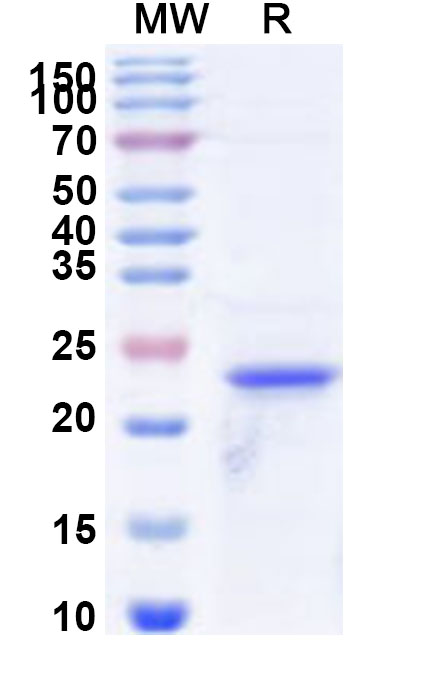
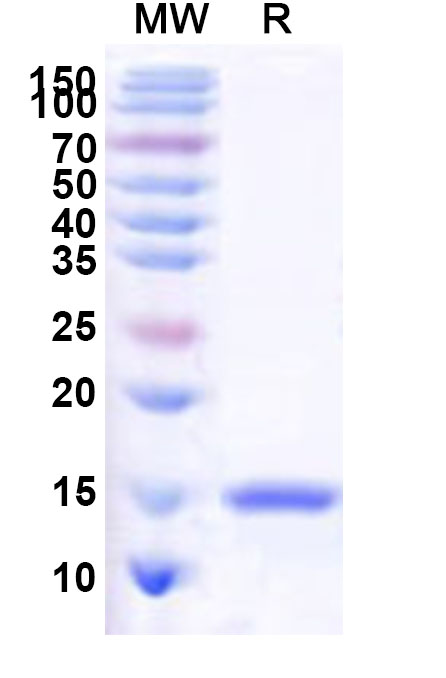
The recombinant form of TREM2 protein is produced through genetic engineering techniques, where the gene encoding for the protein is inserted into a suitable expression system, such as bacteria or mammalian cells. The resulting protein is a 230 amino acid residue protein with a molecular weight of approximately 27 kDa. It contains an extracellular domain, a transmembrane domain, and a cytoplasmic tail.
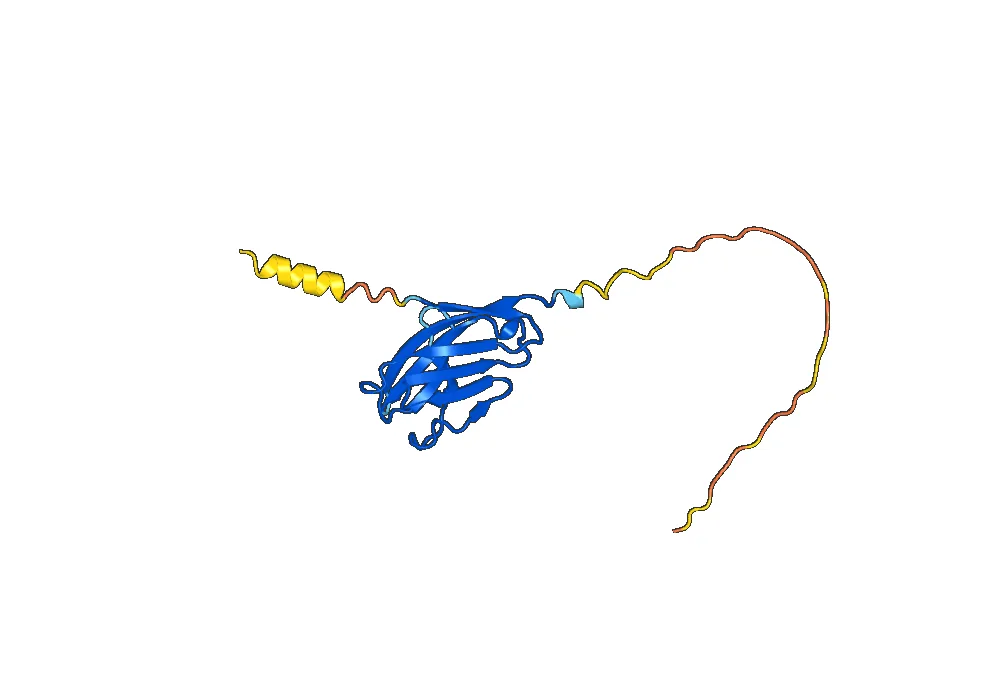
The extracellular domain of TREM2 protein is composed of two immunoglobulin-like domains, which are responsible for ligand binding and receptor signaling. The transmembrane domain anchors the protein to the cell membrane, while the cytoplasmic tail contains signaling motifs that interact with intracellular signaling molecules.
Activity of Recombinant Human TREM2 Protein
TREM2 protein is a key regulator of the immune response, particularly in the innate immune system. It acts as a receptor for various ligands, including lipoproteins, phospholipids, and anionic carbohydrates, and can modulate the activation and function of myeloid cells.
Upon ligand binding, TREM2 triggers a signaling cascade that leads to the activation of downstream signaling molecules, such as DAP12, DAP10, and PI3K. This results in the production of pro-inflammatory cytokines, chemokines, and reactive oxygen species, which play a critical role in host defense against pathogens and tissue repair processes.
In addition to its role in the immune response, TREM2 has also been implicated in neurodegenerative diseases, such as Alzheimer’s disease and Parkinson’s disease. It has been shown to regulate microglial function and phagocytosis of amyloid-beta plaques, which are characteristic features of these diseases.
Applications of Recombinant Human TREM2 Protein
Recombinant Human TREM2 Protein has various applications in the field of research and medicine. One of its main uses is in studying the role of TREM2 in the immune response and its involvement in diseases. The recombinant protein can be used to investigate the binding properties of TREM2 to different ligands and its downstream signaling pathways.
Furthermore, recombinant TREM2 protein can be used to develop therapeutic drugs for the treatment of diseases where TREM2 is implicated. For example, in neurodegenerative diseases, TREM2-targeted therapies can be developed to modulate microglial function and reduce the accumulation of amyloid-beta plaques.
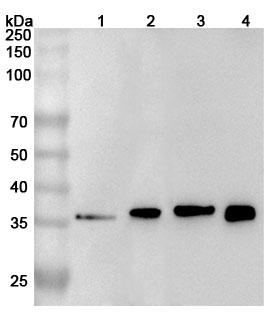
Recombinant Human TREM2 Protein can also be used in diagnostic tests, such as ELISA, to detect the presence of TREM2 in biological samples. This can aid in the diagnosis and monitoring of diseases where TREM2 levels are altered, such as autoimmune disorders and cancer.
Conclusion
In conclusion, Recombinant Human TREM2 Protein is a valuable tool for understanding the structure, activity, and function of TREM2 in the immune response and its role in disease. Its applications in research and medicine make it a crucial protein for



There are no reviews yet.