Introduction
Recombinant human TROAP protein, also known as trophinin-associated protein, is a type I transmembrane protein that is encoded by the TROAP gene. It is a member of the trophinin family of proteins, which play important roles in cell adhesion and signaling. Recombinant human TROAP protein is produced through genetic engineering techniques and has been extensively studied for its structure, activity, and potential applications.
Structure of Recombinant Human TROAP Protein
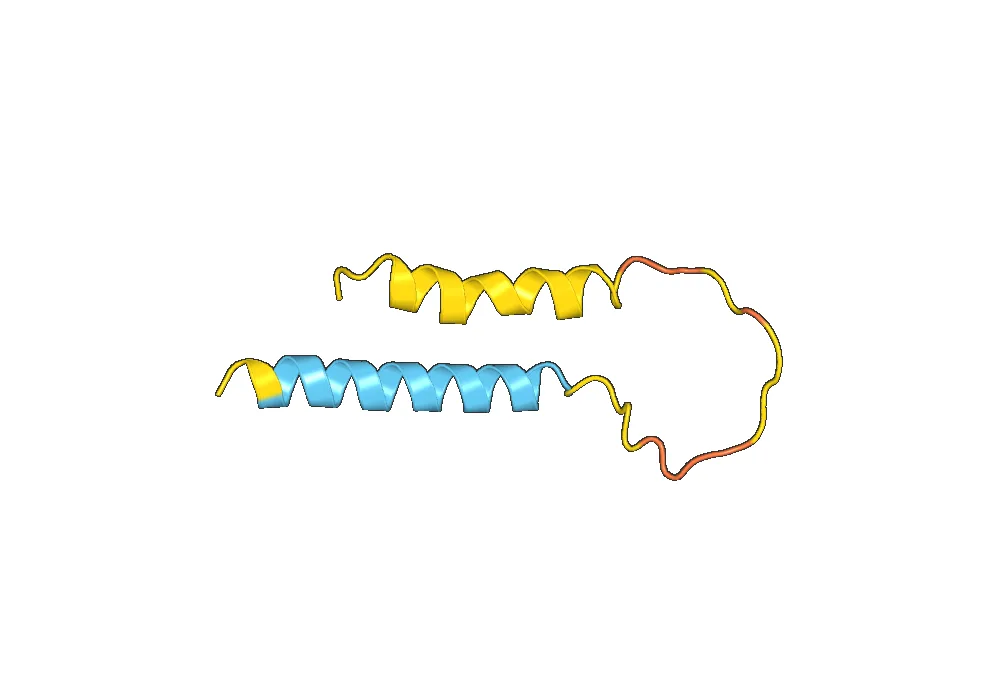
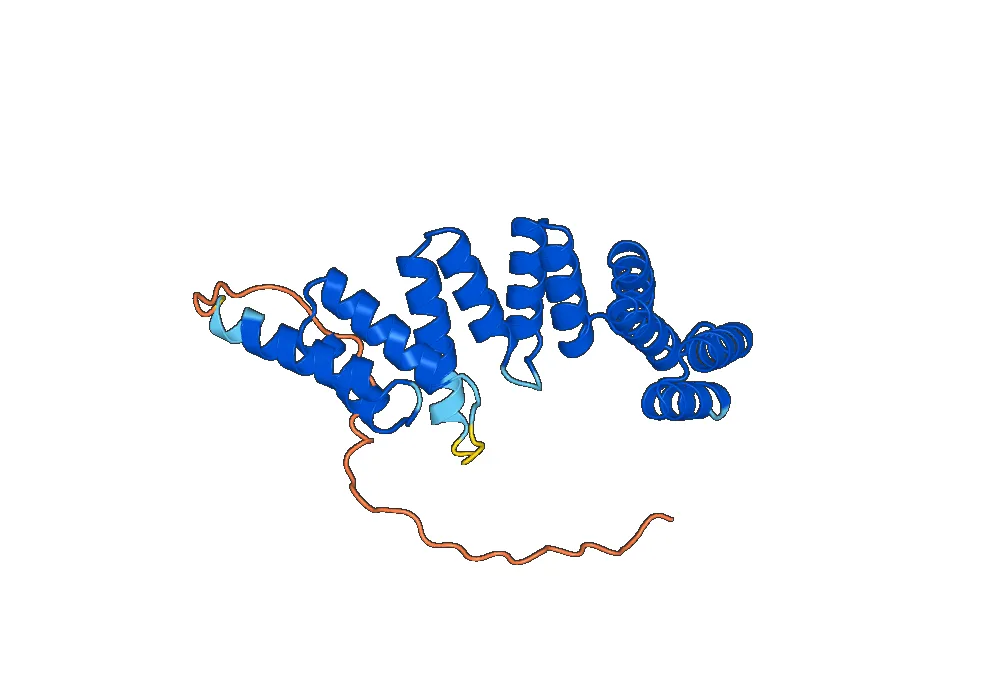
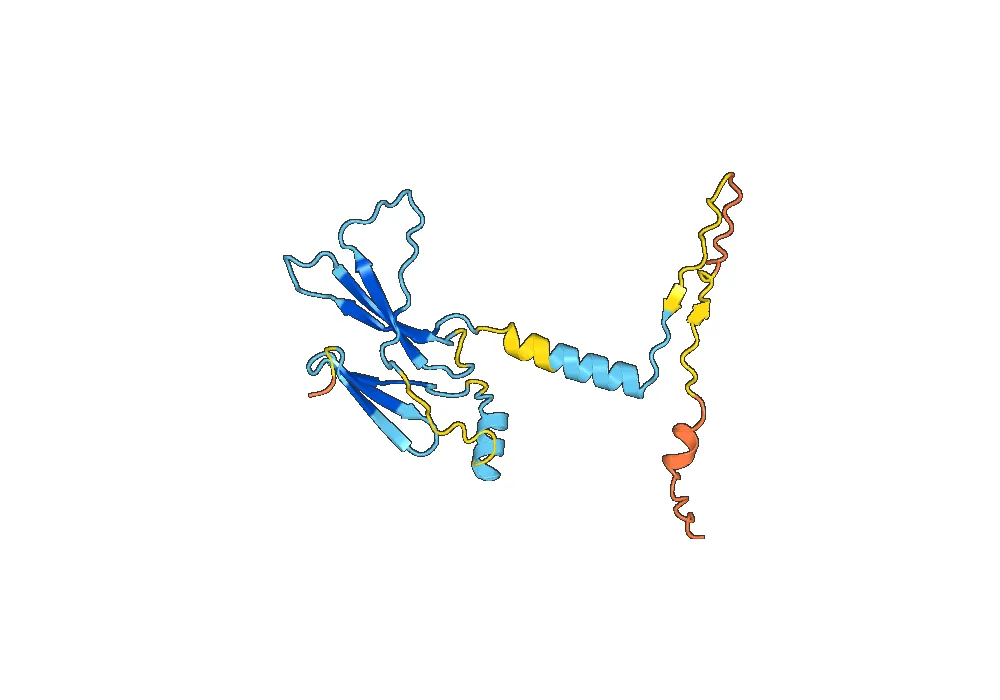
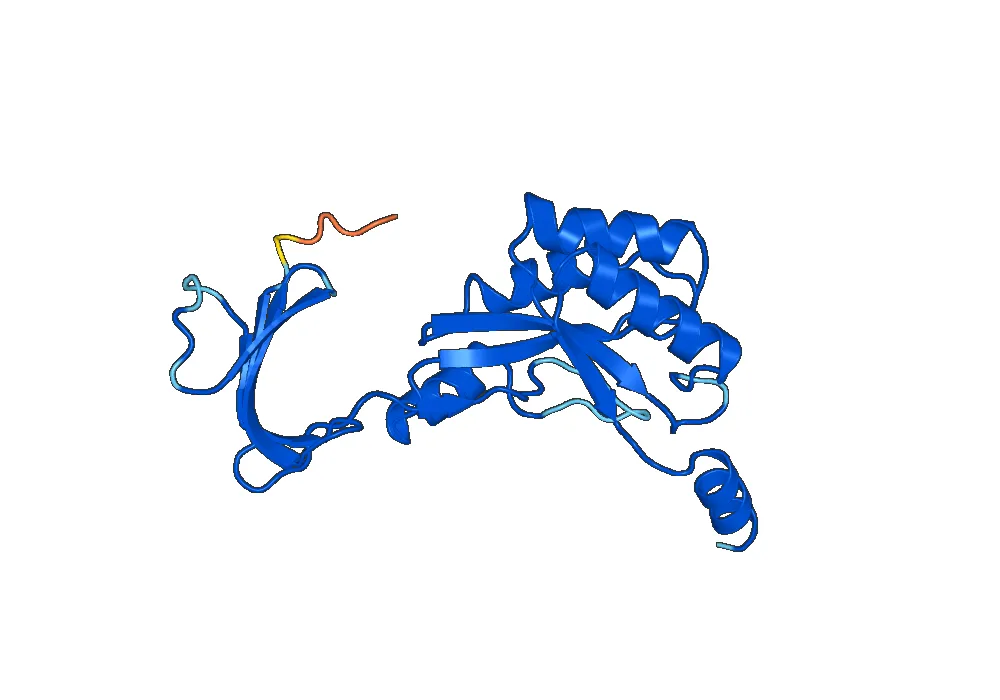
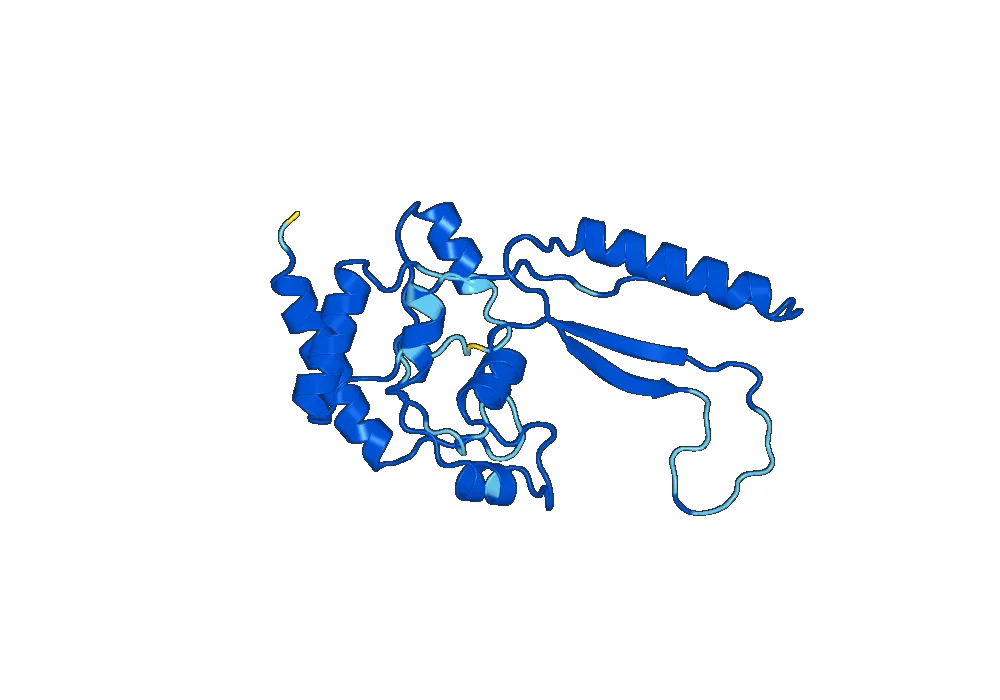
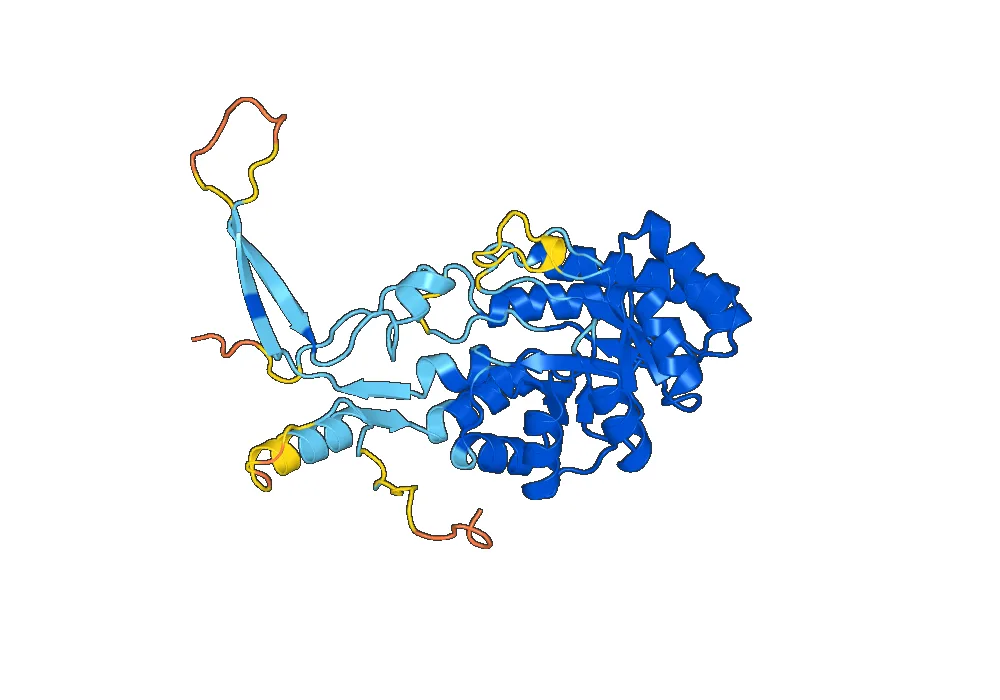
The recombinant human TROAP protein is composed of 535 amino acids, with a predicted molecular weight of 58 kDa. It consists of a cytoplasmic domain, a transmembrane domain, and an extracellular domain. The extracellular domain contains a conserved domain known as the trophinin domain, which is essential for protein-protein interactions and cell adhesion. The cytoplasmic domain contains a PDZ-binding motif, which allows for interactions with other proteins involved in cell signaling.
Activity of Recombinant Human TROAP Protein
Recombinant human TROAP protein has been shown to play a role in cell adhesion, cell migration, and cell signaling. It has been found to interact with other trophinin family proteins, such as trophinin and tastin, to form a complex that is involved in cell adhesion and embryo implantation. Studies have also shown that TROAP is expressed in various tissues, including the placenta, kidney, and brain, suggesting a potential role in tissue development and maintenance.
In addition to its role in cell adhesion, recombinant human TROAP protein has also been found to play a role in cell signaling. It has been shown to interact with the protein tyrosine phosphatase PTPN13, which is involved in regulating cell growth and proliferation. This interaction may play a role in controlling cell signaling pathways and could have implications in diseases such as cancer.
Applications of Recombinant Human TROAP Protein
Recombinant human TROAP protein has potential applications in both research and medicine. Its role in cell adhesion and signaling makes it a valuable tool for studying cell behavior and interactions. It can be used in cell culture experiments to investigate the effects of TROAP on cell adhesion and migration. Additionally, recombinant human TROAP protein can be used to study the interactions between TROAP and other proteins, such as PTPN13, in cell signaling pathways.
In medicine, recombinant human TROAP protein has been investigated as a potential biomarker for certain types of cancer. Studies have shown that TROAP is overexpressed in various types of cancer, including breast, lung, and ovarian cancer. This overexpression has been linked to increased cell proliferation and metastasis, making TROAP a potential target for cancer therapy.
Furthermore, recombinant human TROAP protein has been explored as a potential therapeutic target for infertility. As TROAP is involved in embryo implantation, it has been suggested that targeting this protein could improve the success rates of in vitro fertilization procedures.
Conclusion
Recombinant human TROAP protein is a versatile and important protein that plays a role in cell adhesion, migration, and signaling. Its structure and activity have been extensively studied, and it has potential applications in both research and medicine. Further research on this protein could lead to a better understanding of its functions and potential therapeutic uses.


There are no reviews yet.