Introduction to Recombinant Human TSG101 Protein
Recombinant Human TSG101 Protein, also known as Tumor Susceptibility Gene 101, is a protein that plays a crucial role in cellular processes such as endosomal sorting, cytokinesis, and viral budding. It is a member of the ESCRT-I (Endosomal Sorting Complex Required for Transport) protein complex and is involved in the formation of multivesicular bodies (MVBs) and the sorting of ubiquitinated cargo for degradation in lysosomes.
Structure of Recombinant Human TSG101 Protein
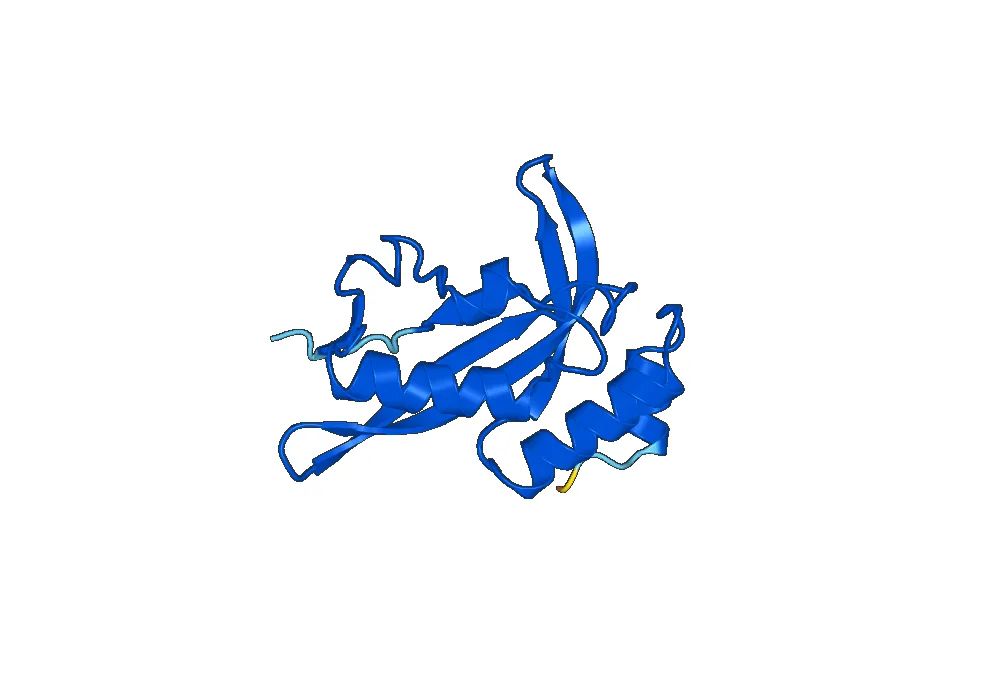
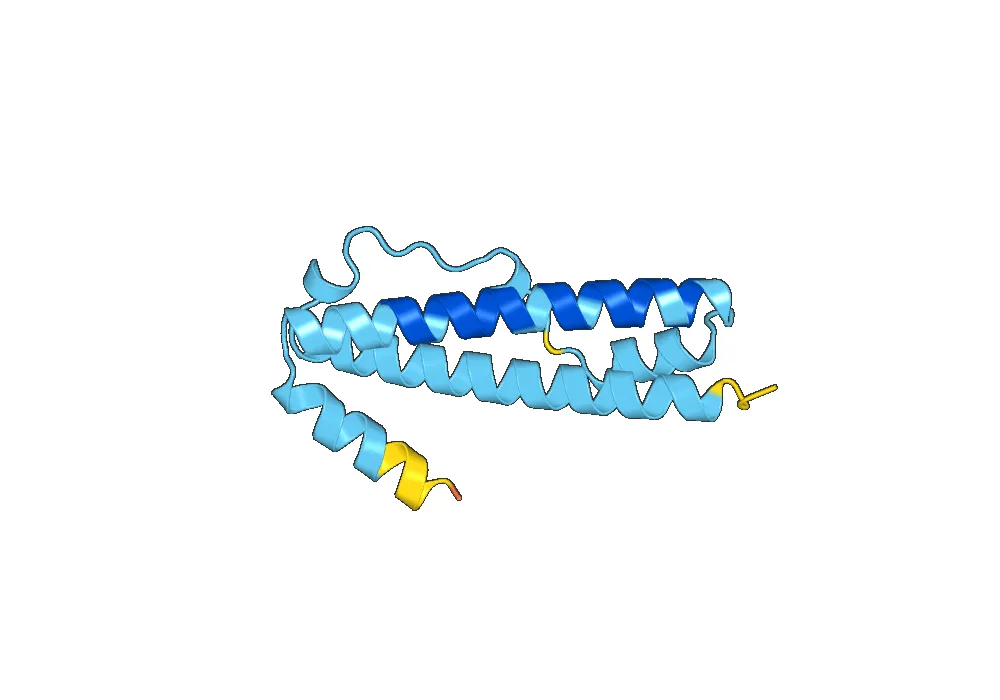
The human TSG101 gene is located on chromosome 11 and encodes for a 46 kDa protein consisting of 394 amino acids. The protein contains several conserved domains, including a ubiquitin-binding domain, a proline-rich domain, and a coiled-coil domain, which are essential for its function in endosomal sorting.
Recombinant Human TSG101 Protein is produced by cloning the TSG101 gene into an expression vector and expressing it in a suitable host cell, such as E. coli or mammalian cells. The resulting protein is then purified using various chromatography techniques to obtain a highly pure and active form of TSG101.
Activity of Recombinant Human TSG101 Protein
Recombinant Human TSG101 Protein has been extensively studied for its role in endosomal sorting and its involvement in various cellular processes. It functions as a scaffold protein, interacting with other ESCRT proteins to form a complex that recognizes and sorts ubiquitinated cargo into MVBs. It also plays a critical role in cytokinesis, where it helps in the formation of the midbody during cell division.
Moreover, TSG101 has been shown to be essential for the budding of several viruses, including HIV, Ebola, and Hepatitis C. The virus hijacks the ESCRT machinery, including TSG101, to facilitate its release from the host cell. This makes TSG101 an attractive target for antiviral therapies.
Applications of Recombinant Human TSG101 Protein
Recombinant Human TSG101 Protein has various applications in both research and therapeutic fields. In research, it is commonly used as a tool to study endosomal sorting and its role in cellular processes. It can also be used to investigate the interaction between viruses and the ESCRT machinery, providing insights into viral budding mechanisms.
In the therapeutic field, TSG101 has been explored as a potential target for antiviral therapies. Studies have shown that disrupting the interaction between TSG101 and viral proteins can inhibit viral budding and reduce viral replication. This could lead to the development of new antiviral drugs targeting TSG101, which could be effective against a broad range of viruses.
Furthermore, TSG101 has also been implicated in cancer development and progression. It is overexpressed in various types of cancer, and its overexpression has been associated with poor prognosis. Therefore, targeting TSG101 could be a potential strategy for cancer therapy.
Conclusion
In summary, Recombinant Human TSG101 Protein is a crucial protein involved in endosomal sorting, cytokinesis, and viral budding. Its structure, activity, and applications have been extensively studied, and it has shown potential in both research and therapeutic fields. Further research on TSG101 could lead to the development of novel therapies for antiviral and anticancer treatments.

There are no reviews yet.