Introduction
Recombinant Human TSPAN9 Protein, also known as tetraspanin-9, is a transmembrane protein that plays a crucial role in cell adhesion, migration, and signaling. It is a member of the tetraspanin family, which consists of 33 different proteins that are characterized by four transmembrane domains. TSPAN9 is involved in various physiological and pathological processes, making it a promising target for therapeutic interventions.
Structure of Recombinant Human TSPAN9 Protein
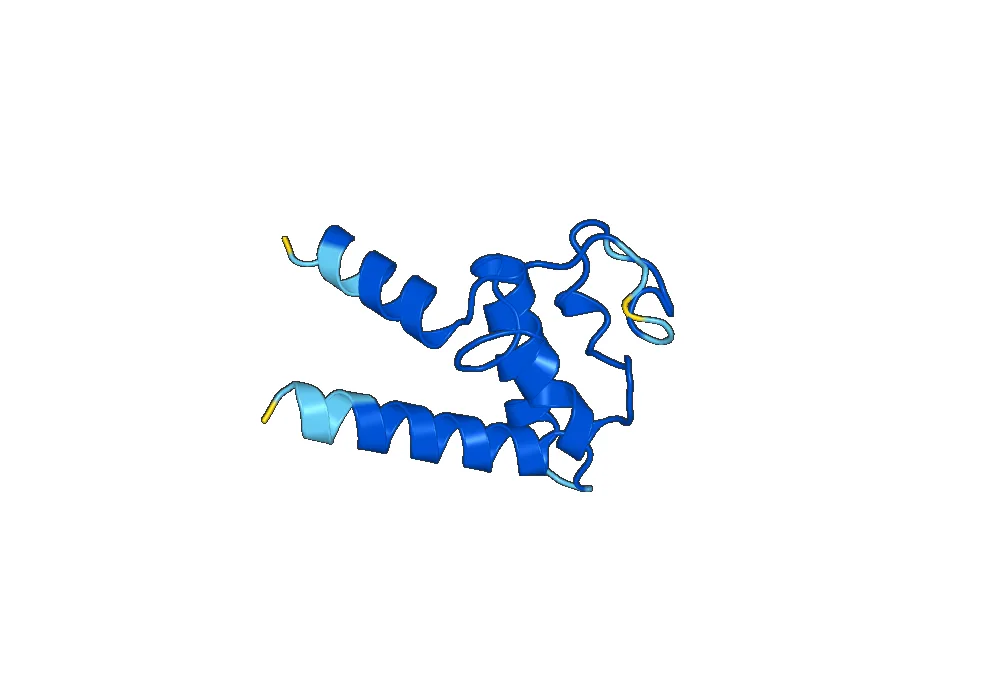
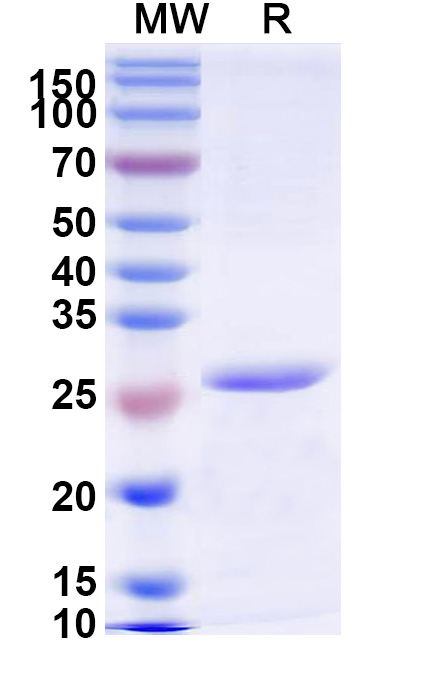
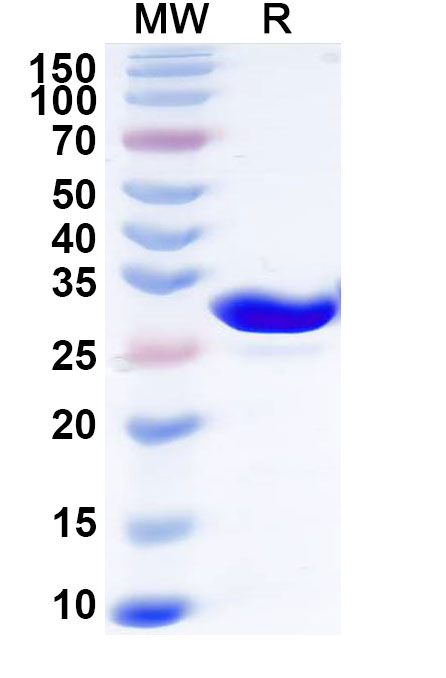
The human TSPAN9 gene is located on chromosome 6 and consists of 7 exons. The protein is composed of 263 amino acids and has a molecular weight of approximately 29 kDa. TSPAN9 contains four transmembrane domains, a small extracellular loop, and a large intracellular loop. The protein also has a short N-terminal and a long C-terminal tail, which are important for protein-protein interactions.
The extracellular loop of TSPAN9 contains two highly conserved cysteine residues, which form disulfide bonds with other tetraspanins or with other membrane proteins. These disulfide bonds contribute to the formation of tetraspanin-enriched microdomains, also known as tetraspanin webs, which play a crucial role in the organization and function of the cell membrane.
Activity of Recombinant Human TSPAN9 Protein
TSPAN9 is involved in various cellular processes, including cell adhesion, migration, and signaling. It interacts with other tetraspanins, integrins, and growth factor receptors, forming multiprotein complexes that regulate cell adhesion and migration. TSPAN9 has been shown to promote cell migration in different cell types, including cancer cells, endothelial cells, and immune cells.
Furthermore, TSPAN9 is involved in the regulation of signaling pathways, such as the Wnt/β-catenin and the TGF-β signaling pathways. It has been reported that TSPAN9 can modulate the activity of these pathways by interacting with key components, such as β-catenin and TGF-β receptors.
Application of Recombinant Human TSPAN9 Protein
Recombinant Human TSPAN9 Protein has various potential applications in both research and clinical settings. One of the main applications is the study of cell adhesion and migration. TSPAN9 can be used as a tool to investigate the role of tetraspanin webs in these processes, by either overexpressing or silencing its expression in different cell types.
Moreover, TSPAN9 has been identified as a potential biomarker for different types of cancer, including breast, lung, and liver cancer. It has been reported that TSPAN9 is overexpressed in cancer cells and is associated with tumor progression and metastasis. Therefore, recombinant TSPAN9 protein can be used to develop diagnostic tests for the early detection of cancer or as a therapeutic target for the treatment of cancer.
Another potential application of recombinant TSPAN9 protein is in the development of novel therapeutics. As TSPAN9 plays a crucial role in cell adhesion and migration, it is a promising target for the treatment of diseases that involve abnormal cell migration, such as cancer and autoimmune diseases.
Conclusion
Recombinant Human TSPAN9 Protein is a transmembrane protein that is involved in various physiological and pathological processes. Its structure, consisting of four transmembrane domains and a large intracellular loop, allows for interactions with other proteins, forming multiprotein complexes that regulate cell adhesion, migration, and signaling. The potential applications of recombinant TSPAN9 protein in research and clinical settings, such as the study of cell adhesion and migration, cancer biomarker, and therapeutic target, make it a valuable tool for understanding the role of tetraspanins in health and disease.


There are no reviews yet.