Introduction to Recombinant Human USP22 Protein
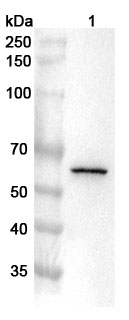
Recombinant Human USP22 Protein, also known as Ubiquitin Specific Peptidase 22, is a highly conserved deubiquitinating enzyme that plays a crucial role in regulating various cellular processes. It is a 54 kDa protein encoded by the USP22 gene located on chromosome 17q12, and is expressed in a wide range of tissues including the brain, heart, liver, and kidney.
Structure of Recombinant Human USP22 Protein
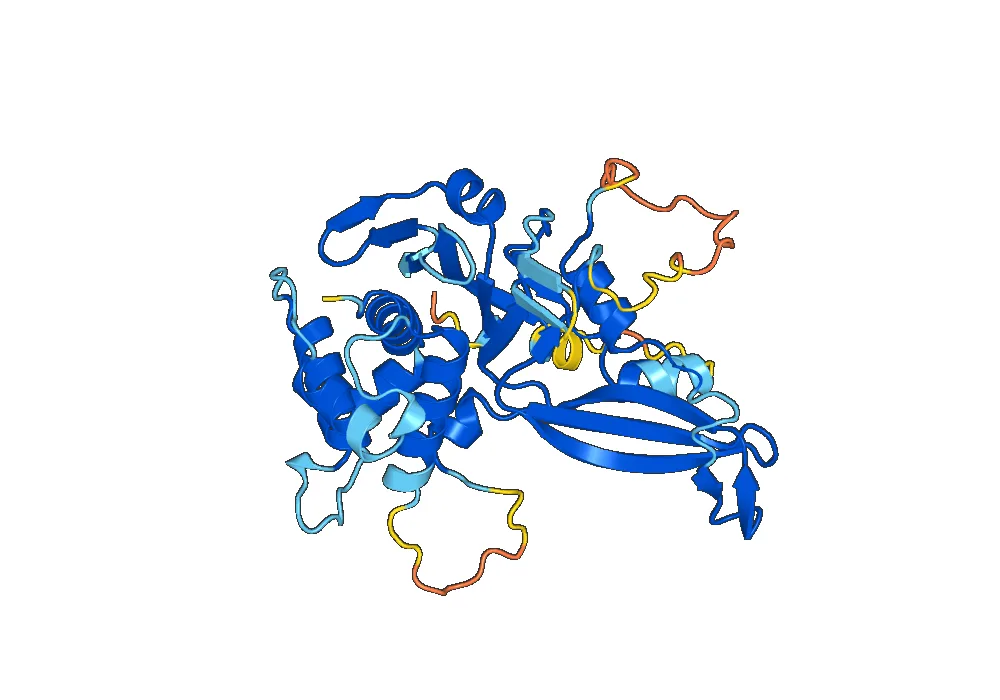
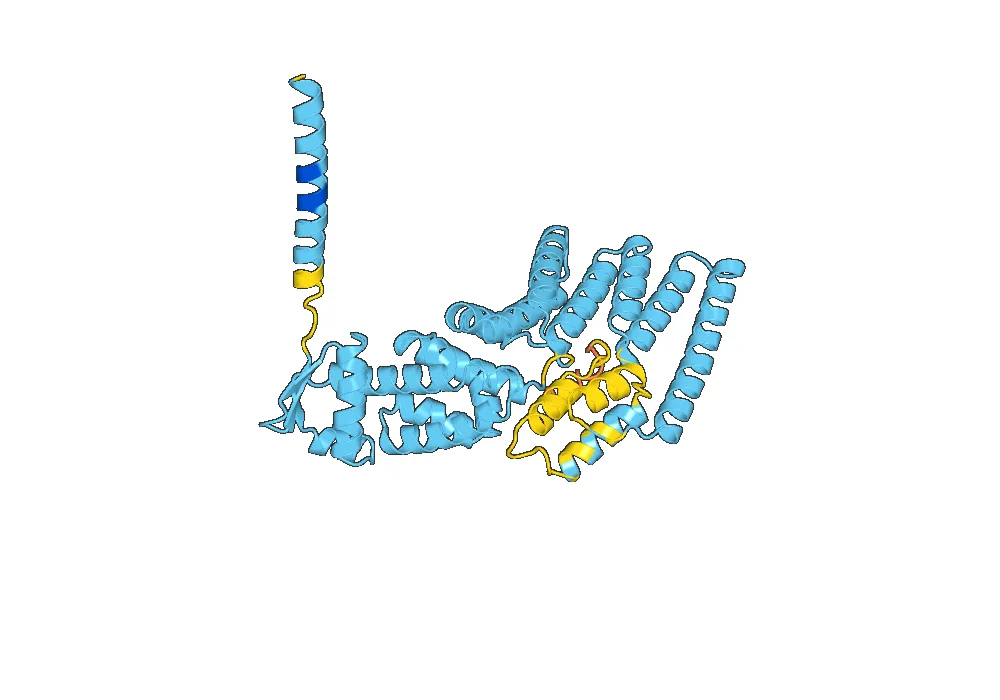
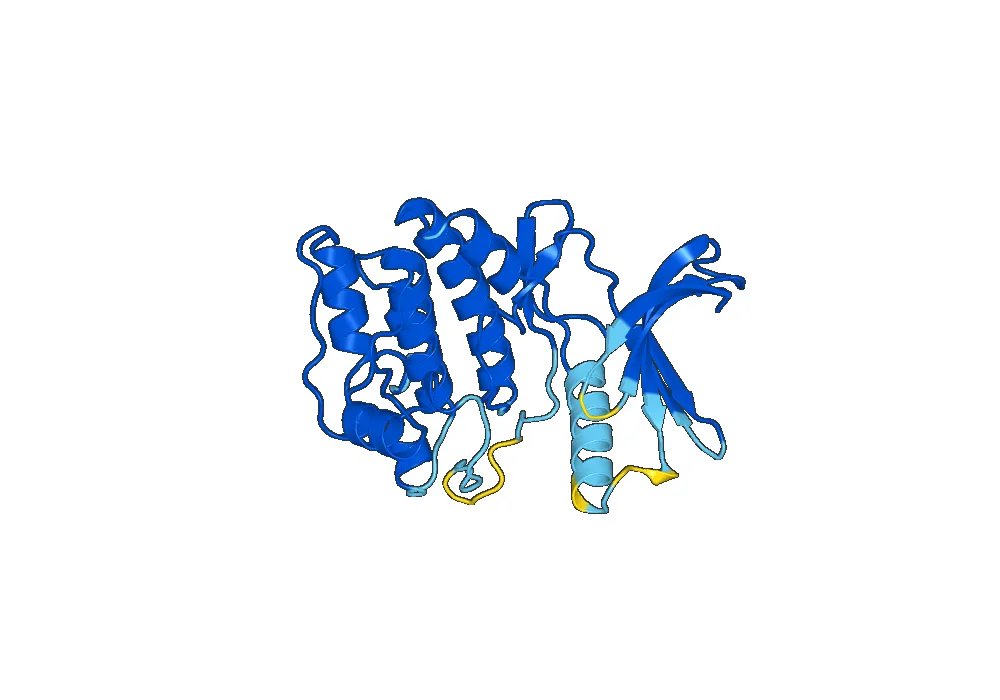
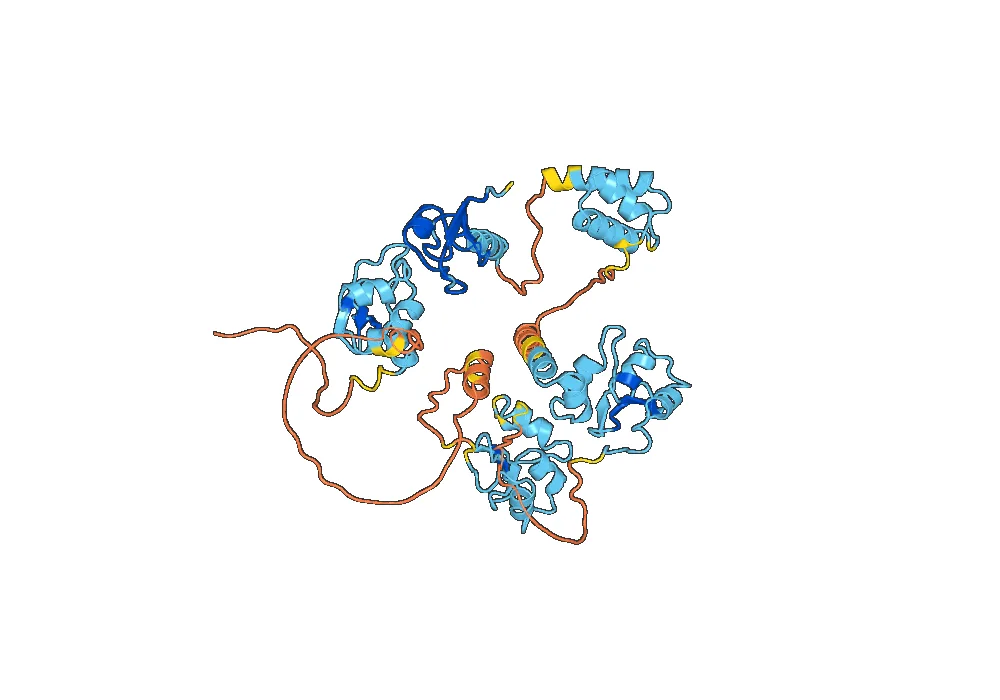
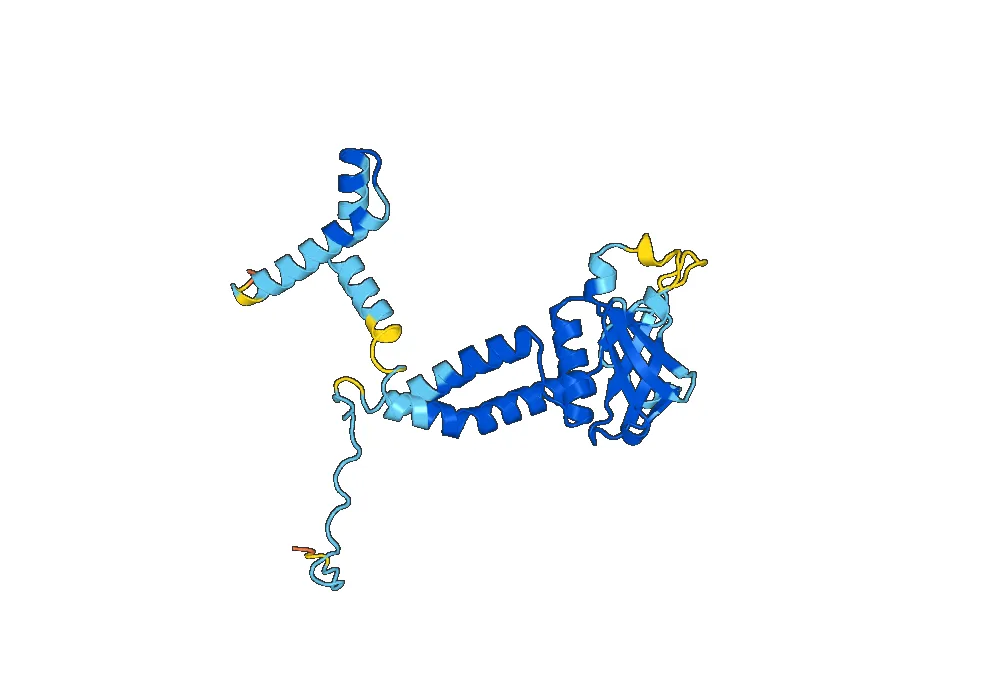
The structure of Recombinant Human USP22 Protein consists of a conserved catalytic domain and a C-terminal ubiquitin-like (UBL) domain. The catalytic domain contains the active site cysteine residue, which is essential for its deubiquitinating activity. The UBL domain is involved in protein-protein interactions and is important for the recruitment of USP22 to its target substrates.
Activity of Recombinant Human USP22 Protein
Recombinant Human USP22 Protein is a member of the deubiquitinating enzyme family, which plays a crucial role in maintaining cellular homeostasis by controlling the levels of ubiquitinated proteins. It specifically removes ubiquitin molecules from target proteins, thereby preventing their degradation by the proteasome. This process is essential for the regulation of various cellular processes such as DNA repair, cell cycle progression, and gene expression.
USP22 has been shown to interact with several protein complexes, including the SAGA (Spt-Ada-Gcn5-Acetyltransferase) complex, which is involved in transcriptional regulation, and the DUBm (deubiquitinating module) complex, which is important for the stability and activity of the proteasome. By deubiquitinating specific target proteins, USP22 can modulate the activity of these complexes and regulate their downstream functions.
Application of Recombinant Human USP22 Protein
The unique structure and activity of Recombinant Human USP22 Protein make it a valuable tool for various applications in both research and clinical settings.
1. Role in Cancer
USP22 has been found to be overexpressed in several types of cancer, including breast, colon, and prostate cancer. It has been shown to promote tumor growth by deubiquitinating and stabilizing key oncogenic proteins such as c-Myc and Cyclin D1. Therefore, USP22 has emerged as a potential therapeutic target for cancer treatment.
2. Biomarker for Disease Diagnosis
The expression of USP22 has been found to be altered in several diseases, making it a potential biomarker for disease diagnosis. For example, increased USP22 levels have been observed in patients with Alzheimer’s disease, while decreased levels have been reported in patients with heart failure. This makes USP22 a promising candidate for the development of diagnostic tests for these diseases.
3. Drug Target for Therapeutic Intervention
The unique structure and function of USP22 make it an attractive target for drug development. Several small molecule inhibitors of USP22 have been identified and are currently being investigated for their potential as anti-cancer agents. These inhibitors have shown promising results in preclinical studies and are being further evaluated for their efficacy and safety in clinical trials.
4. Tool for Protein Modification Studies
Recombinant Human USP22 Protein can be used as a tool for studying protein modification and its role in various cellular processes. By deubiquitinating specific target proteins, USP22 can help researchers understand the functional consequences of protein ubiquitination and its impact on cellular pathways.
5. Potential for Gene Therapy
The ability of USP22 to regulate gene expression makes it a potential candidate for gene therapy. By modulating the activity of transcriptional complexes, USP22 can potentially correct gene expression abnormalities associated with various diseases.
Conclusion
In summary
There are no reviews yet.