Introduction
Recombinant Mouse CDH11 Protein, also known as Cadherin-11, is a type of transmembrane protein that plays a crucial role in cell-cell adhesion and signaling. It is a member of the cadherin family of proteins, which are responsible for maintaining tissue integrity and regulating cell migration and differentiation. Recombinant Mouse CDH11 Protein is produced through genetic engineering techniques, making it a valuable tool for research and therapeutic applications.
Structure of Recombinant Mouse CDH11 Protein
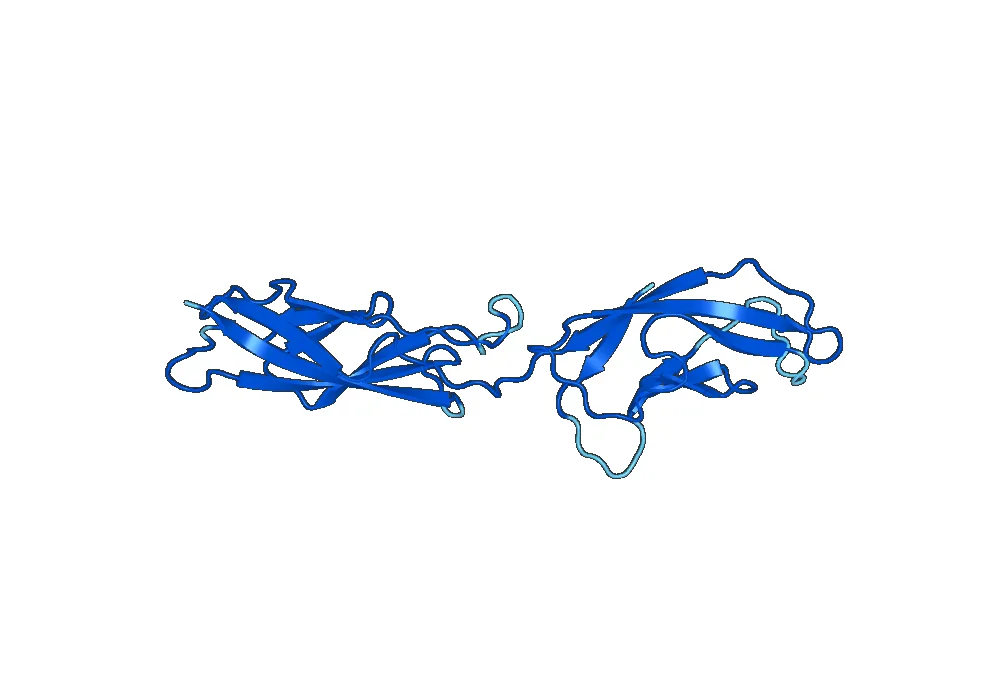
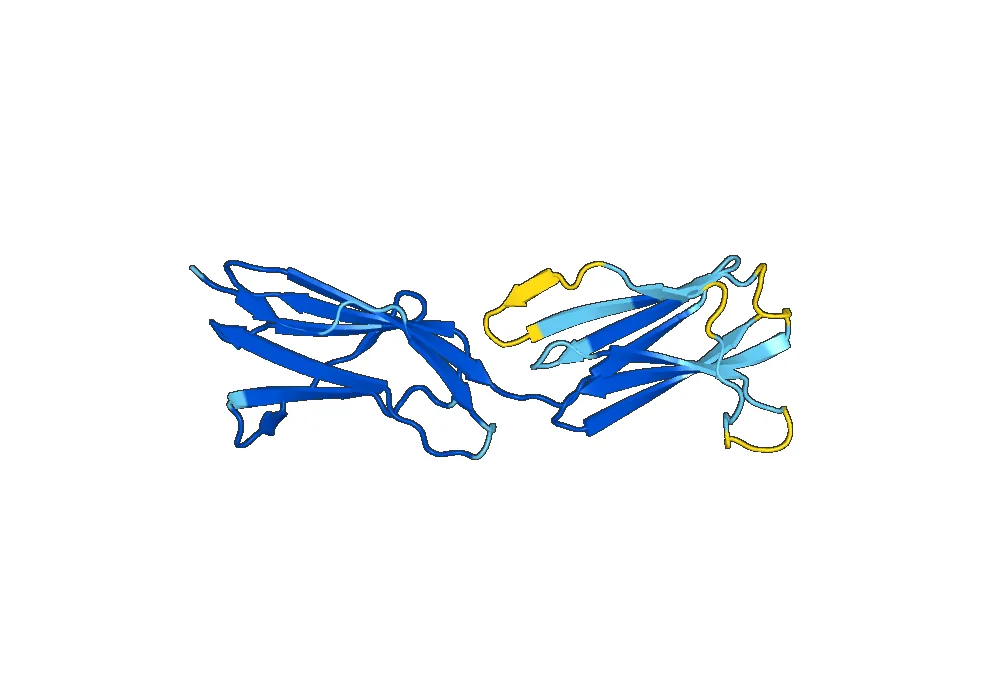
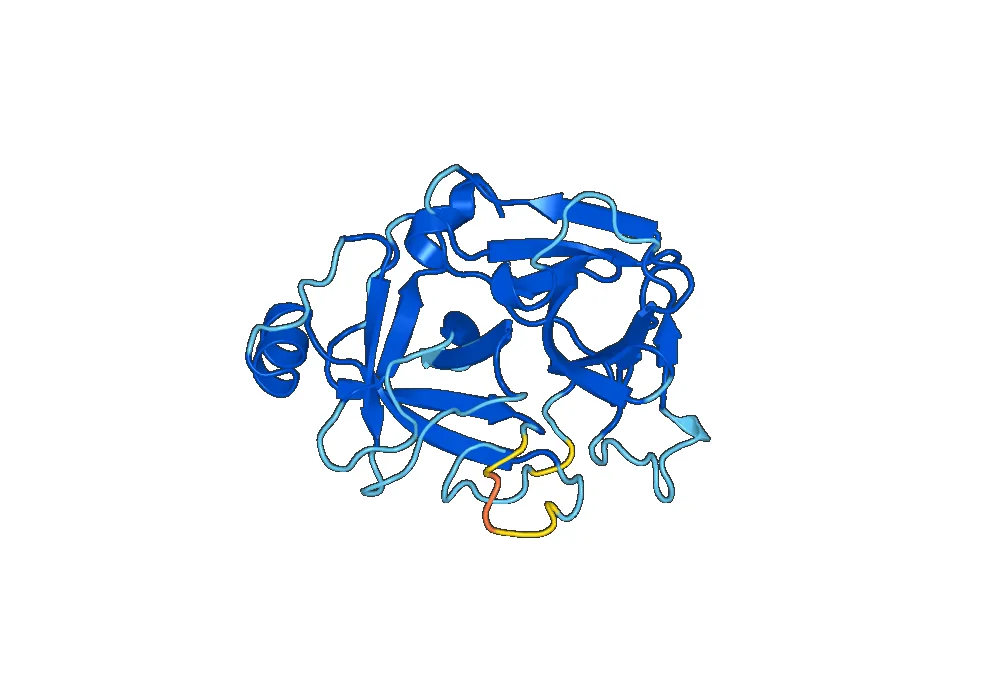
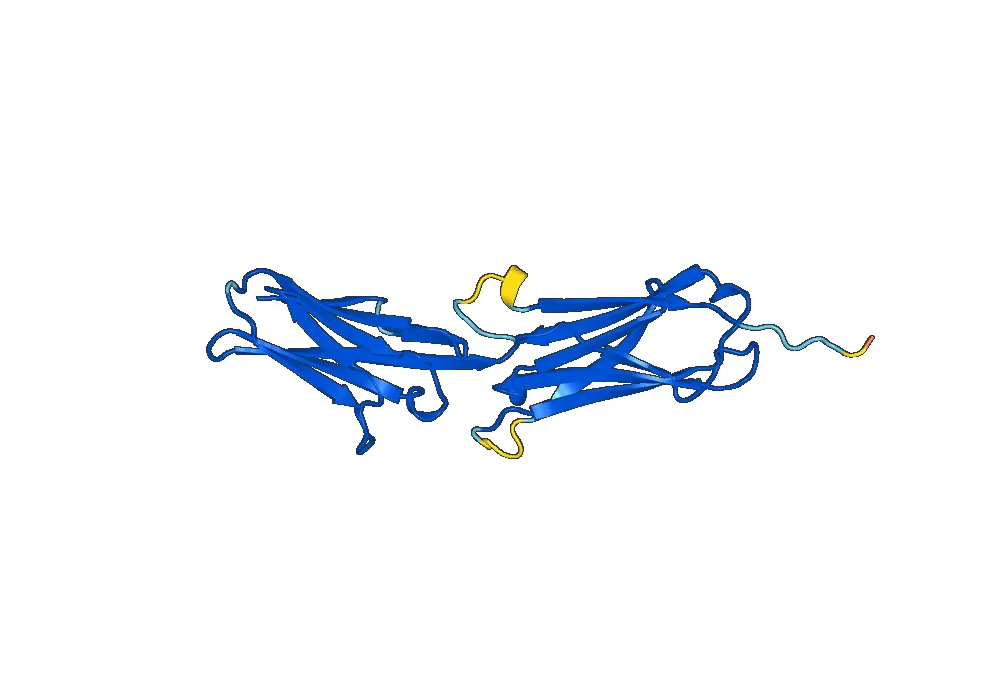
Recombinant Mouse CDH11 Protein is a 100 kDa protein that consists of 784 amino acids. It is composed of five extracellular cadherin domains, a transmembrane domain, and a cytoplasmic domain. The extracellular cadherin domains are responsible for the calcium-dependent homophilic binding between CDH11 molecules on adjacent cells. The transmembrane domain anchors the protein to the cell membrane, while the cytoplasmic domain interacts with intracellular signaling molecules.
Activity of Recombinant Mouse CDH11 Protein
Recombinant Mouse CDH11 Protein is primarily involved in cell-cell adhesion and migration. It is expressed in a variety of tissues, including the brain, heart, and skeletal muscle. In the brain, CDH11 is involved in the formation and maintenance of synapses, the connections between neurons. It also plays a role in the migration and differentiation of neural crest cells during embryonic development.
In addition to its role in the nervous system, Recombinant Mouse CDH11 Protein also plays a crucial role in tissue development and maintenance. It is involved in the formation and maintenance of various tissues, including bone, cartilage, and muscle. It also plays a role in wound healing and tissue repair by promoting the migration of cells to the site of injury.
Application of Recombinant Mouse CDH11 Protein
Recombinant Mouse CDH11 Protein has a wide range of applications in both research and therapeutic settings. In research, it is commonly used as an antigen or target for studying cell adhesion and migration. Its ability to interact with other cadherin proteins and signaling molecules makes it a valuable tool for understanding the mechanisms of tissue development and disease.
In therapeutic applications, Recombinant Mouse CDH11 Protein has shown potential in the treatment of various diseases. Its role in cell adhesion and migration makes it a potential target for cancer therapy. In fact, studies have shown that CDH11 is overexpressed in various types of cancer, and targeting it can inhibit tumor growth and metastasis.
In addition, Recombinant Mouse CDH11 Protein has also been studied for its potential in tissue engineering and regenerative medicine. Its ability to promote cell migration and tissue repair makes it a promising candidate for repairing damaged tissues and promoting wound healing.
Conclusion
In summary, Recombinant Mouse CDH11 Protein is a transmembrane protein that plays a crucial role in cell-cell adhesion and signaling. Its structure, consisting of extracellular cadherin domains, a transmembrane domain, and a cytoplasmic domain, allows it to interact with other proteins and signaling molecules. Its activity in cell adhesion and migration makes it a valuable tool for research and a potential target for therapeutic applications in various diseases. With its diverse functions and potential applications, Recombinant Mouse CDH11 Protein continues to be a topic of interest in the scientific community.


There are no reviews yet.